
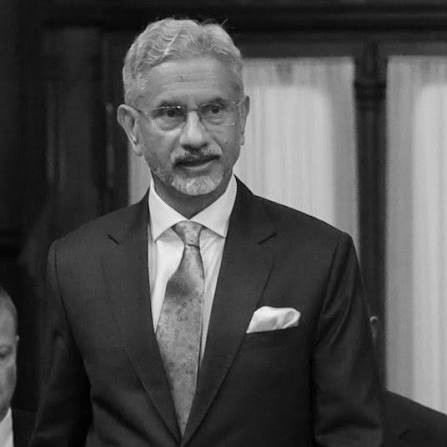
Jaishankar Heads to Ukraine, Poland as Russia-Ukraine Hostilities Escalate
External Affairs Minister S Jaishankar’s three-day visit to Ukraine and Poland from September 3 to 5 comes as Europe confronts heightened security tensions and the Russia-Ukraine war continues to escalate. The Ministry of External Affairs said the visit will focus on strengthening bilateral relations and exchanging views on regional developments and issues of mutual interest.
In Kyiv, talks with Ukrainian Foreign Minister Andrii Sybiha are expected to centre on the conflict’s widening consequences, alongside bilateral cooperation. Peace and diplomacy are likely to remain important, with India continuing to advocate dialogue and a negotiated resolution rather than military escalation.
The consultations could also cover Black Sea security, freedom of navigation and maritime trade, issues with direct implications for Indian seafarers and global supply chains. Ukraine’s ports and agricultural exports remain important to food security, while attacks on energy infrastructure raise concerns over energy stability.
Humanitarian concerns and reconstruction may also feature, including opportunities for Indian participation in civilian recovery, healthcare, pharmaceuticals, infrastructure and other sectors. Trade, agriculture, education and people-to-people links could provide additional avenues for strengthening India-Ukraine ties.
The Poland leg brings a wider European perspective. Jaishankar’s meeting with Polish Deputy Prime Minister and Foreign Minister Radoslaw Sikorski is expected to cover trade, investment, defence, technology, mining and strategic cooperation. Defence discussions assume greater significance as Warsaw expands domestic military production and strengthens security capabilities amid concerns linked to the war.
The two sides are also likely to exchange assessments on European security, Russia-West tensions, hybrid threats, cyber risks and supply resilience. Poland’s experience on Europe’s eastern flank makes its perspective particularly relevant to India’s understanding of the changing regional security environment.
India and Poland could further discuss India-EU cooperation, connectivity, technology, counter-terrorism and multilateral issues.
Taken together, the consultations highlight India’s effort to engage both Kyiv and Warsaw while preserving its independent foreign-policy approach. With Moscow remaining an important strategic partner, New Delhi is seeking to deepen European relationships without abandoning its emphasis on dialogue, diplomacy and strategic autonomy.