
Kakatiya-Era Gollala Gudi Declared Monument of National Importance
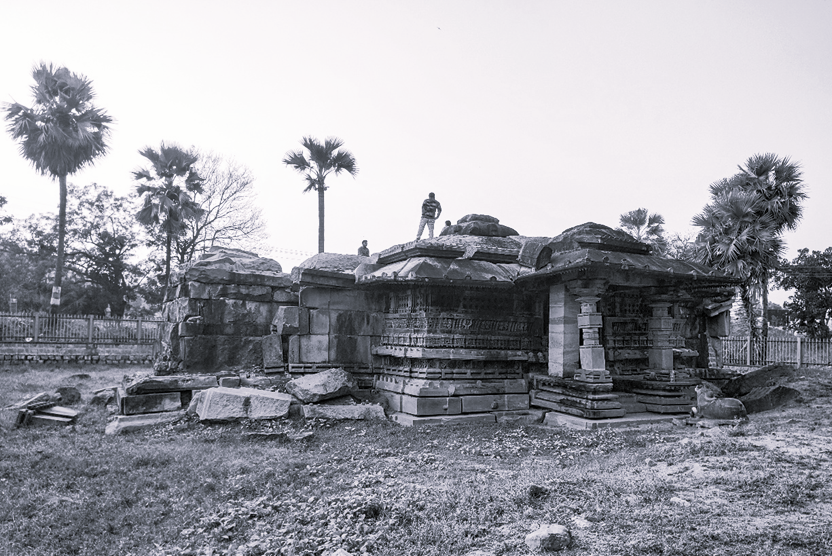
Another architectural treasure from the Kakatiya era in Telangana has received a major national honour. The Archaeological Survey of India (ASI) has declared the historic Gollala Gudi temple at Palampet village in Mulugu district a Monument of National Importance, further strengthening the region’s rich cultural and architectural legacy.
Officials said on Wednesday that the notification declaring the monument protected was published in the official gazette on August 31.
The temple is located southwest of the Kakatiya Rudreshwara Temple, popularly known as the Ramappa Temple, a UNESCO World Heritage Site at Palampet. The latest recognition is expected to draw greater attention to Gollala Gudi, which reflects the exceptional craftsmanship and architectural sophistication associated with the Kakatiya dynasty.
Built in the distinctive trikuta temple style, Gollala Gudi features a pillared mandapa facing east and three sanctums. The central sanctum houses a Shiva Linga, while the temple’s walls and outer sections are adorned with intricate carvings and decorative motifs.
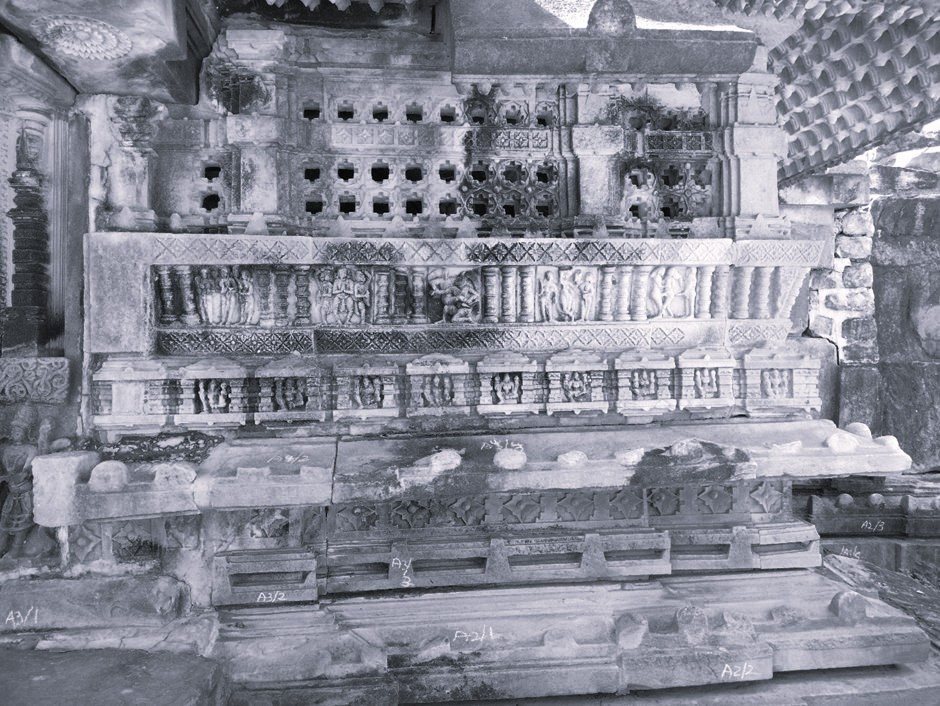
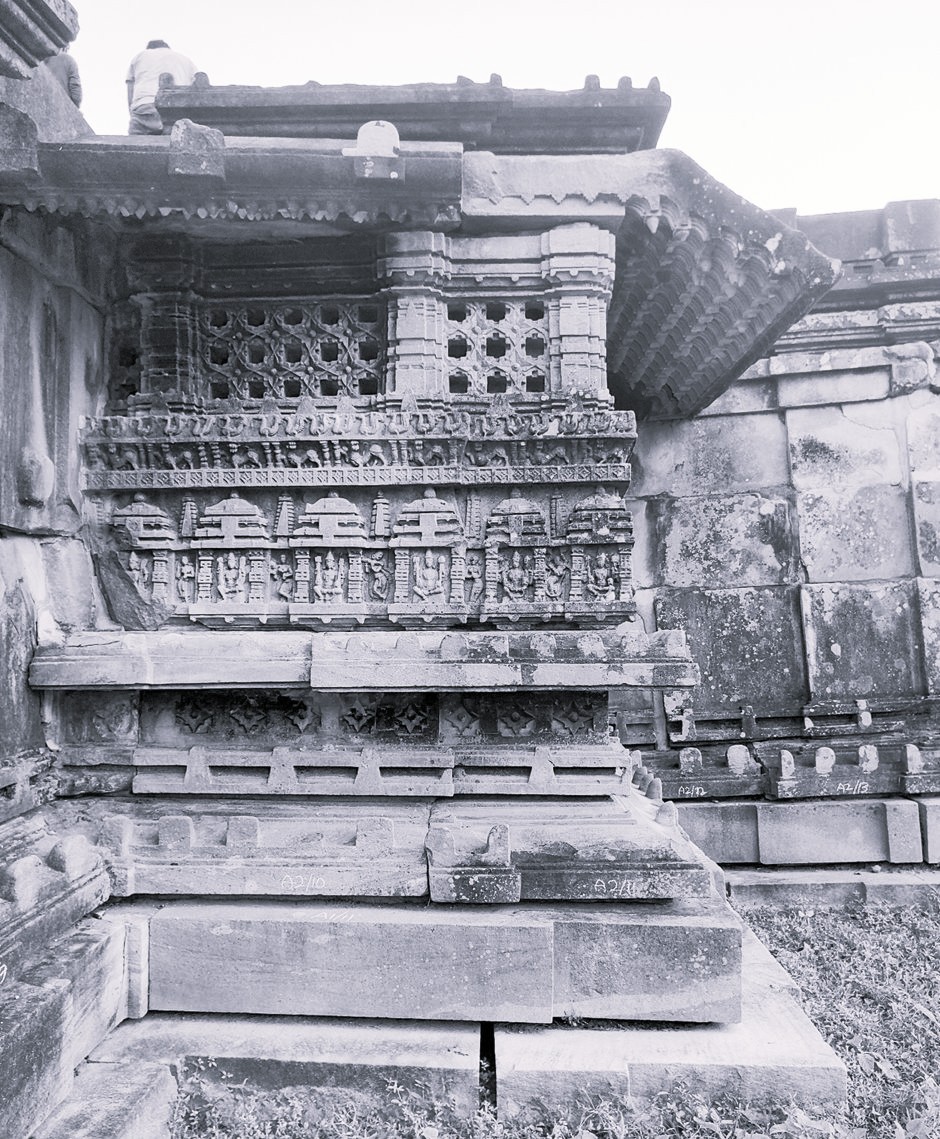
One of its striking architectural features is the detailed lattice work and sculpted rows of hamsas, or swans, seen around the doorways and upper portions of the structure. Two smaller shrines stand in front of the main temple, decorated with finely carved dwarapalakas and other ornamental details.
The walls of the main shrine feature sculptures of several Hindu deities, including Vishnu, Lakshmi, Ganesha and Mahishasuramardini. Built on an elevated platform, the temple is also embellished with carvings inspired by animals and floral patterns.
With the monument now receiving national recognition, the ASI is expected to take up conservation works at the site. The proposed measures include repairs to the roof, levelling of the surrounding premises and restoration of the flooring to improve both preservation and visitor access.
The Kakatiya dynasty ruled large parts of the eastern Deccan between the 12th and 14th centuries, with its kingdom extending across present-day Telangana and Andhra Pradesh, besides parts of Karnataka, Tamil Nadu and Odisha. The recognition of Gollala Gudi adds another significant chapter to the enduring legacy of Kakatiya art and architecture.