
Karnataka Govt Aims for Zero Rabies Deaths by 2030
The Karnataka government has set an ambitious target of achieving zero human deaths due to dog-mediated rabies by 2030 , aligning its roadmap with the Centre’s elimination goal under the National Rabies Control Programme .
Launching the State Action Plan for Dog-Mediated Rabies Elimination (SAPRE) , Health Minister Dinesh Gundu Rao said the state has adopted a comprehensive ‘One Health’ approach , integrating human health, animal health and local governance systems to tackle the disease in a coordinated manner.
India accounts for nearly 36 per cent of global rabies deaths , with an estimated 18,000–20,000 fatalities annually , largely caused by dog bites. While Karnataka’s annual fatalities remain in double digits, health officials say underreporting and delayed treatment remain key challenges, particularly in rural areas.
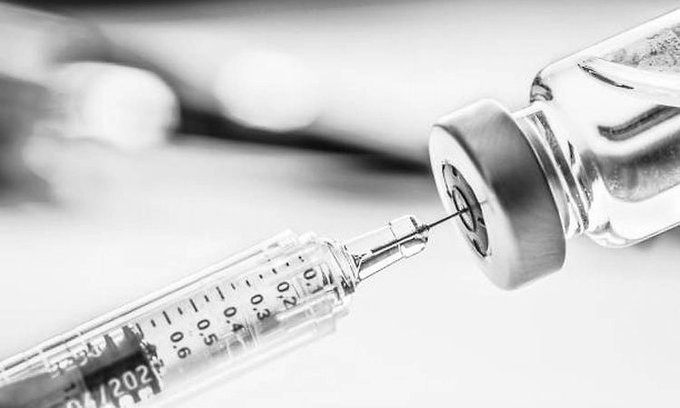
Under SAPRE, anti-rabies vaccines (ARV) and rabies immunoglobulin (RIG) will be made available at all Primary Health Centres, Community Health Centres, taluk and district hospitals, with mandatory stock maintenance. Private hospitals have been directed to provide immediate life-saving treatment without insisting on advance payment .
Experts emphasise that rabies is 100 per cent preventable if timely post-exposure prophylaxis (PEP) is administered. The state also plans to strengthen mass dog vaccination drives, as global health guidelines indicate that vaccinating at least 70 per cent of the dog population can effectively break transmission cycles. Coordination with urban local bodies for stray dog vaccination and sterilisation will form a key component of the strategy.
Alongside rabies elimination, the government also launched the State Action Plan for Prevention and Control of Snakebite Envenoming (SAPSE) . In 2024, Karnataka became the first state to declare all snakebite cases and deaths as notifiable diseases, enabling better surveillance and response.
The Health Department said the twin initiatives focus on prevention, early treatment, training of healthcare staff, public awareness and uninterrupted medicine supply, with the larger objective of ensuring that no death occurs due to lack of timely medical care .