
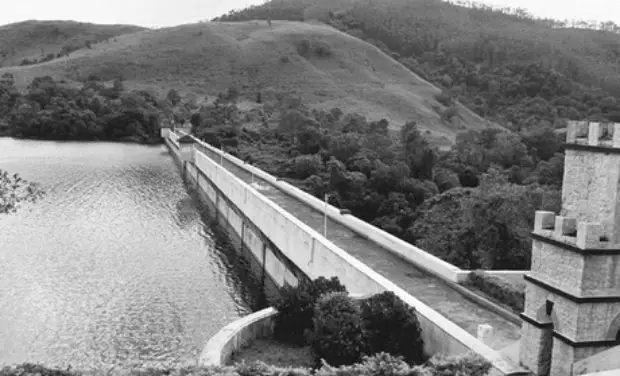
Kerala Opposes Tamil Nadu's Plan to Raise Mullaperiyar Dam Water Level
Kerala on Wednesday strongly opposed Tamil Nadu's announcement to pursue raising the water level of the Mullaperiyar Dam, asserting that it would not permit any increase beyond the limit currently allowed by the Supreme Court. The state government described the proposal as being against Kerala's interests and said it would formally register its protest while exploring all legal and administrative options.
Speaking to reporters in Thiruvananthapuram, Kerala Water Resources Minister Mons Joseph said an emergency meeting of departmental officials was convened after the Tamil Nadu Budget announcement, and discussions were also held with Chief Minister V D Satheesan.
Joseph reiterated that the Supreme Court permits a maximum water level of 142 feet and maintained that Kerala would not allow the reservoir level to be increased under any circumstances. He said concerns over the more than 130-year-old dam's safety remain unresolved and alleged that Tamil Nadu has yet to fully comply with the apex court's directions on examining the dam's safety and strengthening the Baby Dam.
Emphasising Kerala's long-standing position of " safety for Kerala's people and water for Tamil Nadu," the minister said the state would officially communicate its protest to the neighbouring government. He added that all options, including legal action, would be examined if necessary.
Joseph also announced that Kerala has nominated former Odisha Chief Engineer Ashutosh Dash as its representative to the Independent Panel of Experts (IPoE) on the Mullaperiyar Dam, with the nomination recognised by the Central Water Commission.
Earlier, Chief Minister V D Satheesan said official-level discussions between Kerala and Tamil Nadu were already underway and that a meeting with Tamil Nadu Chief Minister C Joseph Vijay was also under serious consideration.
The dispute intensified after Tamil Nadu, in its 2026-27 revised Budget, announced that it would pursue raising the Mullai Periyar Dam's water level to strengthen long-term water security and support farmers' welfare, alongside other major water infrastructure projects.