

Ladakh Records Historic Tourism Boom, Welcomes 1.17 Lakh Visitors in Five Months
Ladakh has staged a remarkable tourism comeback in 2026, recording a historic surge in visitor arrivals that underscores the growing appeal of India's high-altitude Himalayan destination. The Union Territory registered a 43.65 per cent increase in tourist arrivals during the first five months of the year, a development attributed to improved infrastructure, enhanced connectivity, stronger security measures and sustained efforts to promote Ladakh as a premier travel destination.
According to official figures shared by Lieutenant Governor V K Saxena , Ladakh welcomed 1,17,546 tourists between January and May 2026, compared with 81,827 visitors during the corresponding period last year. The growth accelerated sharply in May, when tourist arrivals jumped by an unprecedented 121.20 per cent , rising to 72,834 visitors from 32,927 in May 2025.
The impressive rebound follows a challenging period for the tourism sector after the Pahalgam terror attack and disruptions linked to Operation Sindoor , which affected travel sentiment across the region last year. The incident led to widespread cancellations, travel advisories and a decline in tourist footfall, impacting hotels, homestays, transport operators and thousands of residents dependent on tourism-related livelihoods.
To restore traveller confidence, authorities strengthened security at major tourist destinations and transit routes, conducted comprehensive safety reviews and gradually reopened tourism sites following security assessments. The administration also intensified domestic tourism campaigns, in line with Prime Minister Narendra Modi's call to promote travel within India, while accelerating investments in tourism infrastructure and visitor facilities.
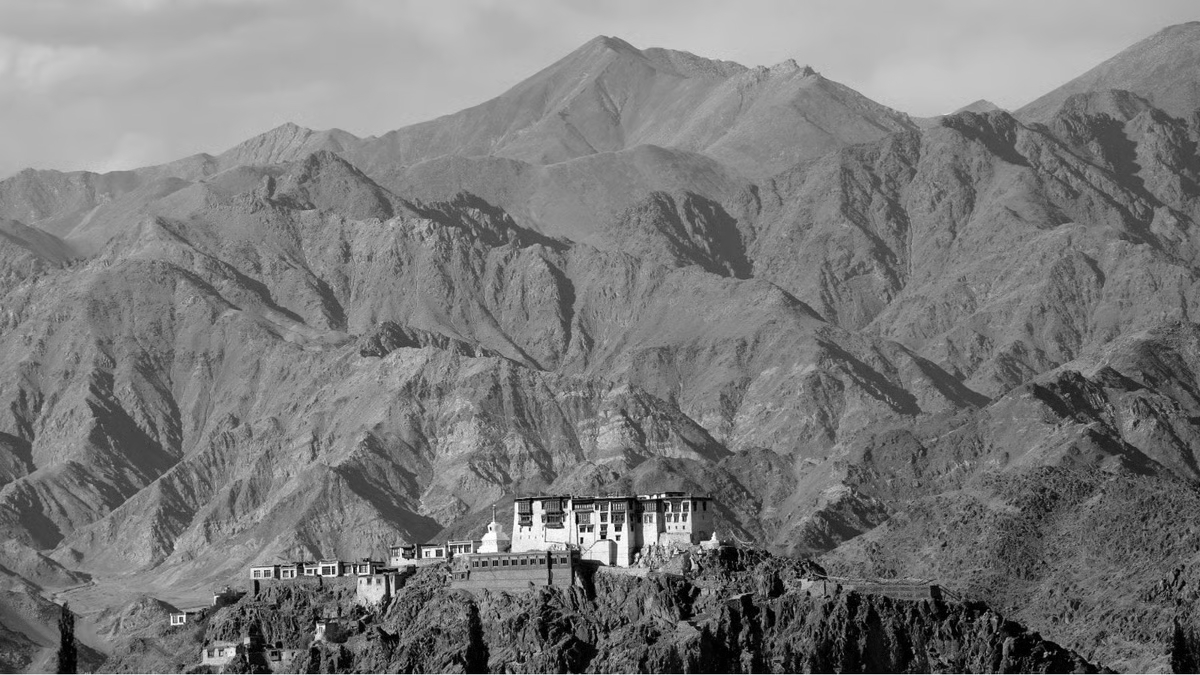
Known as India's "cold desert," Ladakh continues to attract travellers with its dramatic mountain landscapes, pristine lakes, ancient monasteries and adventure tourism opportunities. Major attractions such as Pangong Lake , Nubra Valley and Khardung La have witnessed a significant rise in visitor footfall this season. Nubra Valley, famous for its sand dunes and rare double-humped Bactrian camels, has remained crowded with tourists, while Pangong Lake continues to be one of the region's most sought-after destinations.
The tourism surge carries significant economic implications. Tourism contributes more than 60 per cent of Ladakh's revenue base , while over half of the population depends directly or indirectly on the sector through hospitality, transport, handicrafts, homestays and tour operations. Industry estimates suggest tourism accounts for nearly 50 per cent of Ladakh's GDP , making it the backbone of the local economy. The latest influx of visitors has translated into high hotel occupancy levels, increased business activity and renewed optimism among tourism stakeholders.
Officials attribute the growth to major infrastructure investments made since Ladakh became a Union Territory in 2019. The opening of the Atal Tunnel improved connectivity from Himachal Pradesh, while upgraded road networks have enhanced access to remote destinations. Future projects such as the Shinku La Tunnel are expected to provide all-weather connectivity to the remote Zanskar Valley , opening new avenues for tourism and economic development.
The administration is also focusing on heritage conservation and tourism diversification. Under initiatives such as Swadesh Darshan 2.0 , visitor facilities are being upgraded around iconic sites including Leh Palace , Shanti Stupa , Hemis Monastery and Thiksey Monastery . Meanwhile, emerging destinations such as Hanle , which is gaining recognition as an astro-tourism hub, and the remote Zanskar region are being promoted alongside traditional tourist circuits.
From attracting only a few hundred visitors after opening to tourism in 1970 to drawing more than five lakh tourists annually in recent years, Ladakh has evolved into one of India's leading travel destinations. Authorities believe the combination of improved security, enhanced connectivity and diversified tourism offerings will help sustain the current growth momentum and strengthen the region's economy in the years ahead.