
Lebanon Advances Sweeping Amnesty Law That Could Free More Than 3,000 Prisoners
Lebanon is moving closer to adopting its largest amnesty law in 35 years , a controversial measure that could free more than 3,000 prisoners , reduce sentences and advance efforts to reform the country's penal system.
The draft legislation has cleared the joint parliamentary committee stage and now awaits approval by parliament and the president. Supporters say it is needed to address prison overcrowding , with nearly 8,600 detainees held in facilities operating beyond capacity, and to tackle years-long delays in the judicial system.
Under the proposal, death sentences would be commuted to prison terms, while life sentences would be reduced. The law would also benefit detainees who have spent at least 14 years in prison without receiving final judgments. However, crimes such as rape , human trafficking, corruption, terrorism financing and premeditated murder would remain excluded.
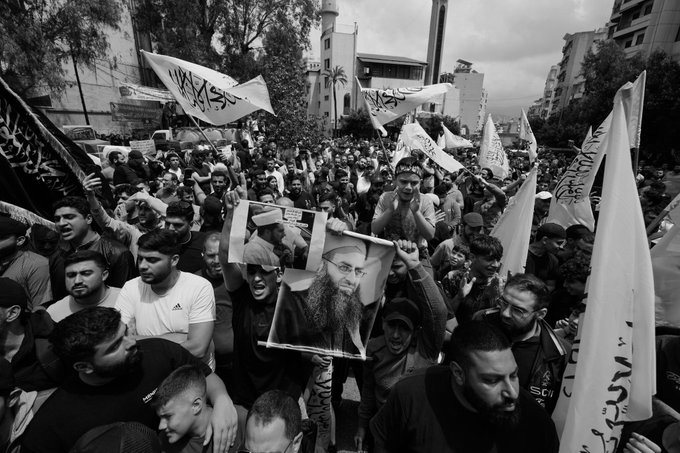
The measure has sparked strong opposition from families of soldiers killed in past conflicts. Samira Bou Saab, whose son George was among 18 Lebanese soldiers killed in clashes with followers of Sunni cleric Ahmed al-Assir in 2013, fears the law could shorten punishments for those convicted in the case. Families of fallen soldiers recently protested outside parliament, placing empty military boots in front of the building.
The debate has exposed Lebanon's deep sectarian divisions . Sunni lawmakers have pushed for relief for Islamist detainees, Shiite politicians for some drug offenders, and Christian legislators for Lebanese citizens who fled to Israel after 2000.
The proposal also comes amid a broader debate over capital punishment. Although Lebanon still issues death sentences, it has not carried out an execution since 2004. More than three decades after the civil war, the amnesty has reopened difficult questions about justice, reconciliation and political influence in Lebanon.