
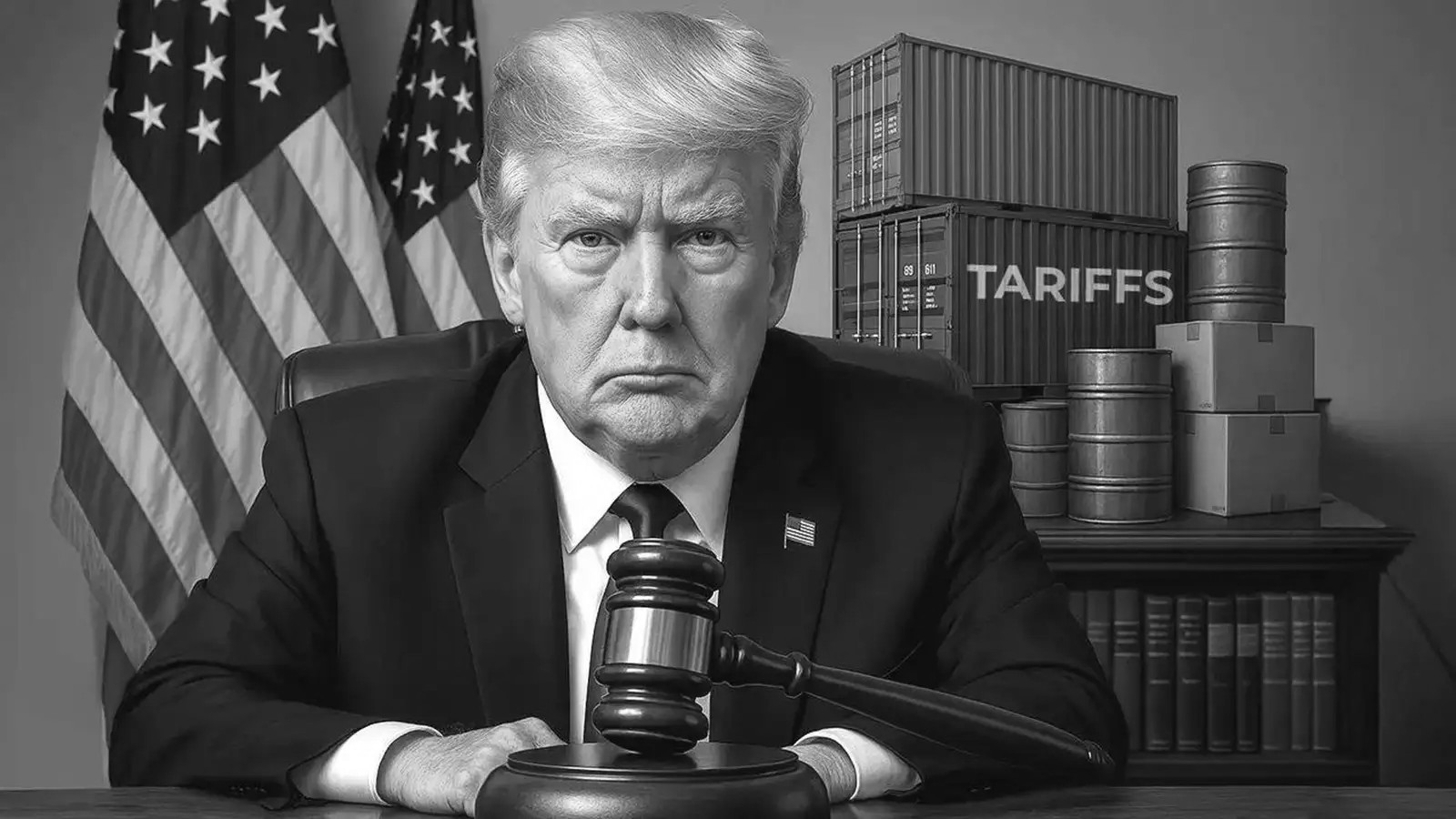
Legal Showdown Intensifies Over Trump’s Forced-Labour Tariff Policy
A coalition of 25 US states has filed a lawsuit against the Trump administration, alleging that its latest round of import tariffs unlawfully revives a policy that the US Supreme Court had already rejected earlier this year.
The legal challenge targets tariffs imposed last month on 59 countries and the European Union, ranging between 10 and 12.5 per cent. The administration argues that the affected countries have failed to adequately curb exports linked to forced labour, making the measures necessary to protect American workers and businesses.
According to the lawsuit, the new duties effectively replace earlier tariffs that the Supreme Court struck down in February after ruling that the International Emergency Economic Powers Act (IEEPA) did not authorise such sweeping import taxes. That judgment required the government to refund importers who had paid the earlier levies.
New York Attorney General Letitia James, one of the leading voices behind the lawsuit, accused the administration of attempting to impose fresh taxes through a different legal route after its previous approach failed in court. She argued that the new policy would increase costs for businesses and consumers while sidestepping the spirit of the Supreme Court’s decision.
Following the court setback, the administration had relied on temporary 10 per cent global tariffs, which expired on July 24. It has now invoked Section 301 of the Trade Act of 1974, a provision allowing trade sanctions against countries deemed to engage in unfair trade practices.
The White House defended the decision, maintaining that countries failing to effectively prohibit goods produced with forced labour create an unfair burden on US commerce. Officials said Section 301 has previously survived judicial scrutiny and remains a lawful tool for addressing unfair trade practices.
The lawsuit marks the latest chapter in the administration’s aggressive trade agenda, which seeks to expand domestic manufacturing through higher import duties. The outcome could shape the future of US tariff policy and determine how far presidential authority extends in using trade measures to pursue broader economic and labour objectives.