
Libya Executes 31 People After Secret Military Trials, 50 More Face Death Penalty
Libya has executed at least 31 people since late August following secret military trials allegedly based on confessions extracted through torture, marking the country’s first known executions since 2010. Human Rights Watch (HRW) said on Wednesday that at least 50 other detainees held at Gernada military prison in eastern Libya face an imminent risk of execution.
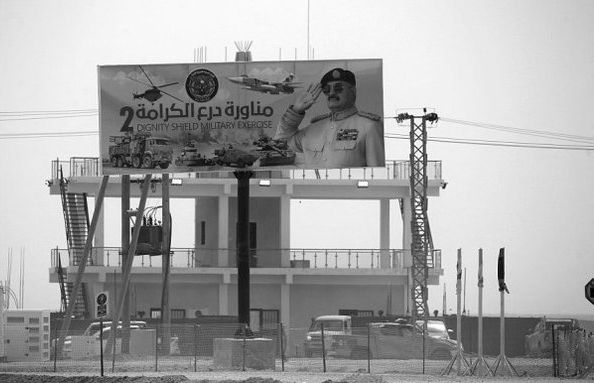
The executions were carried out by the Libyan Arab Armed Forces (LAAF), also known as the Libyan National Army, led by General Khalifa Haftar. HRW documented the executions through September 10 and urged the authorities to halt further killings and introduce a moratorium on the death penalty.
On August 23, the LAAF’s military prosecutor announced that 10 people had been executed by firing squad after being convicted of murder and terrorism-related offences. At least 30 executions had been reported by September 9, with the total subsequently rising to 31.
Many of those executed had been arrested in Derna and Benghazi during or after fighting between the LAAF and rival armed groups from 2014 to 2018. According to Amnesty International, military courts in eastern Libya convicted hundreds of civilians in secret proceedings between 2018 and 2021, sentencing at least 22 people to death.
Several defendants reportedly endured prolonged detention, torture and other abuses. Alleged methods included beatings, electric shocks, burns and stress positions used to force confessions. Some were accused of opposing the LAAF or criticising it, including through journalism, peaceful protests and social media.
HRW also highlighted a November 2025 Supreme Court ruling that found a provision granting military courts jurisdiction over civilians in terrorism and state-security cases unconstitutional. The executions proceeded despite that ruling. At least two people whose death sentences were reduced to life imprisonment on appeal in 2019 were reportedly executed this year.
Rights groups have also raised concerns about the treatment of families. Authorities reportedly failed to notify relatives before executions, withheld bodies and buried the dead without their families present, while warning relatives against holding funerals.
HRW called on the LAAF and governments with influence over it to prevent further executions. Amnesty and other rights organisations have likewise urged an immediate halt, citing violations of fair-trial guarantees.
Libya has remained divided since the 2011 uprising that toppled and killed longtime ruler Moammar Gaddafi. Rival authorities control the country’s east and west, backed by competing armed groups and foreign governments. The death penalty remains in force for several offences.