
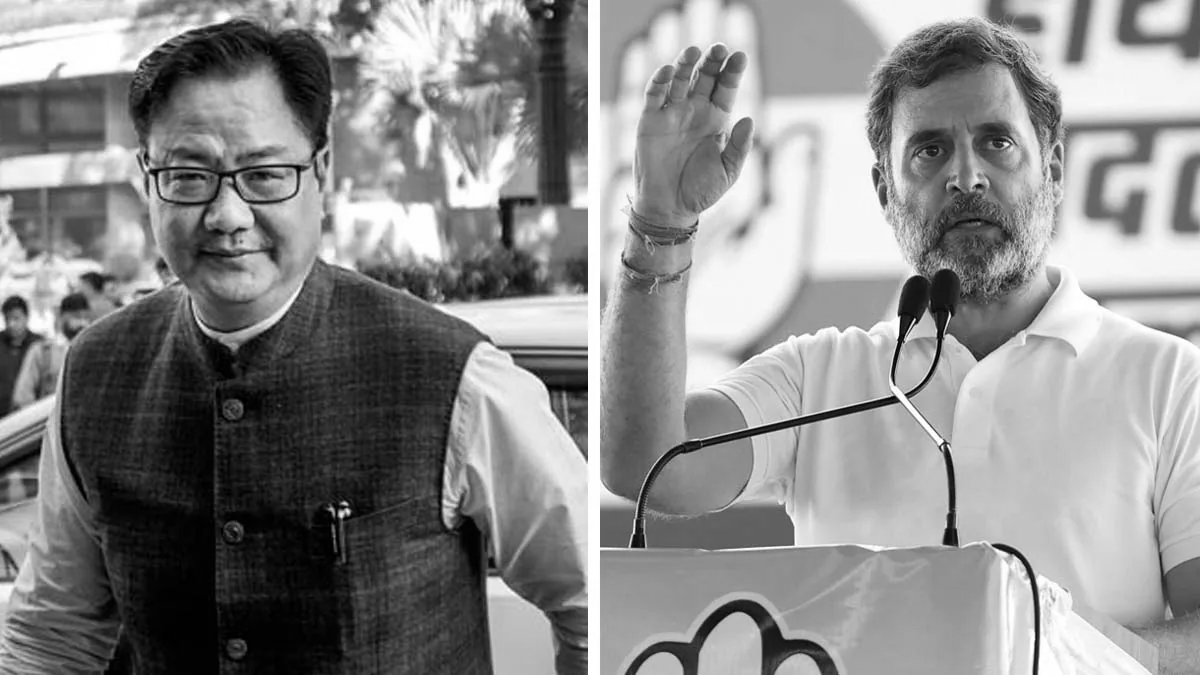
Lok Sabha Erupts After Rahul Gandhi Defends NEET Protesters, 'Idiot' Remark Draws Fire
The Lok Sabha witnessed a heated exchange on Wednesday after Leader of Opposition Rahul Gandhi defended the recent NEET paper leak protests, saying he was "very excited" and "reassured" by the response of students across the country. His speech, however, later triggered objections from the Treasury benches over remarks he attributed to a student.
Participating in the debate on the Public Examination (Prevention of Unfair Means) Amendment Bill, 2026, Gandhi described the protests as a peaceful expression of the aspirations and concerns of India's youth. He said the demonstrations were not driven by anger or violence but reflected the voice of the country's future generation.
Gandhi urged all political parties, including the BJP, to respect the sentiments expressed by students. He also claimed that if BJP leaders discussed the issue with their own children, they would likely find support for the concerns raised by the protesters.
During his speech, Gandhi recalled an interaction with a group of students, particularly an 18-year-old girl, who, he said, explained that a true student is someone with an open mind, humility, and a willingness to accept that knowledge constantly evolves.
He then quoted the student as describing another category of people who believe they know everything, refuse to listen to others, and display arrogance. While recounting the conversation, Gandhi used the word "idiots," prompting immediate protests in the House.
Parliamentary Affairs Minister Kiren Rijiju objected, calling the expression unparliamentary, while Speaker Om Birla asked Gandhi to remain focused on the debate. Birla also stated that the unparliamentary words would be expunged from the official proceedings.
Clarifying his remarks, Gandhi said he was merely quoting the student's views and was not referring to any member of Parliament. He further said the student had also spoken about " andhbhakts " as those who unquestioningly follow such individuals, insisting that the observations reflected the perspective of young people grappling with issues in the country's education system.