
Lord Karthikeya vs Lord Murugan: Was He Born in North India or South India?
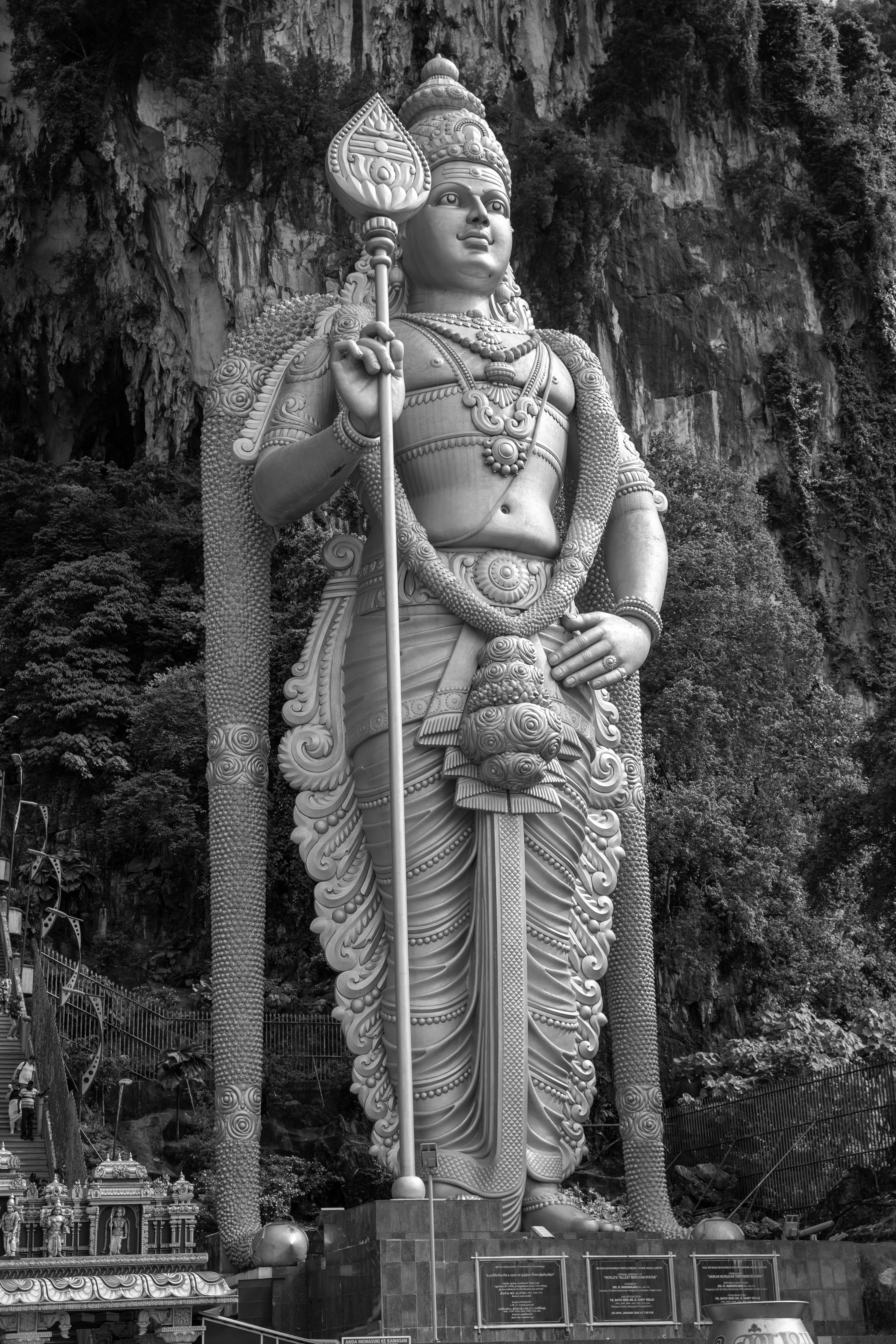
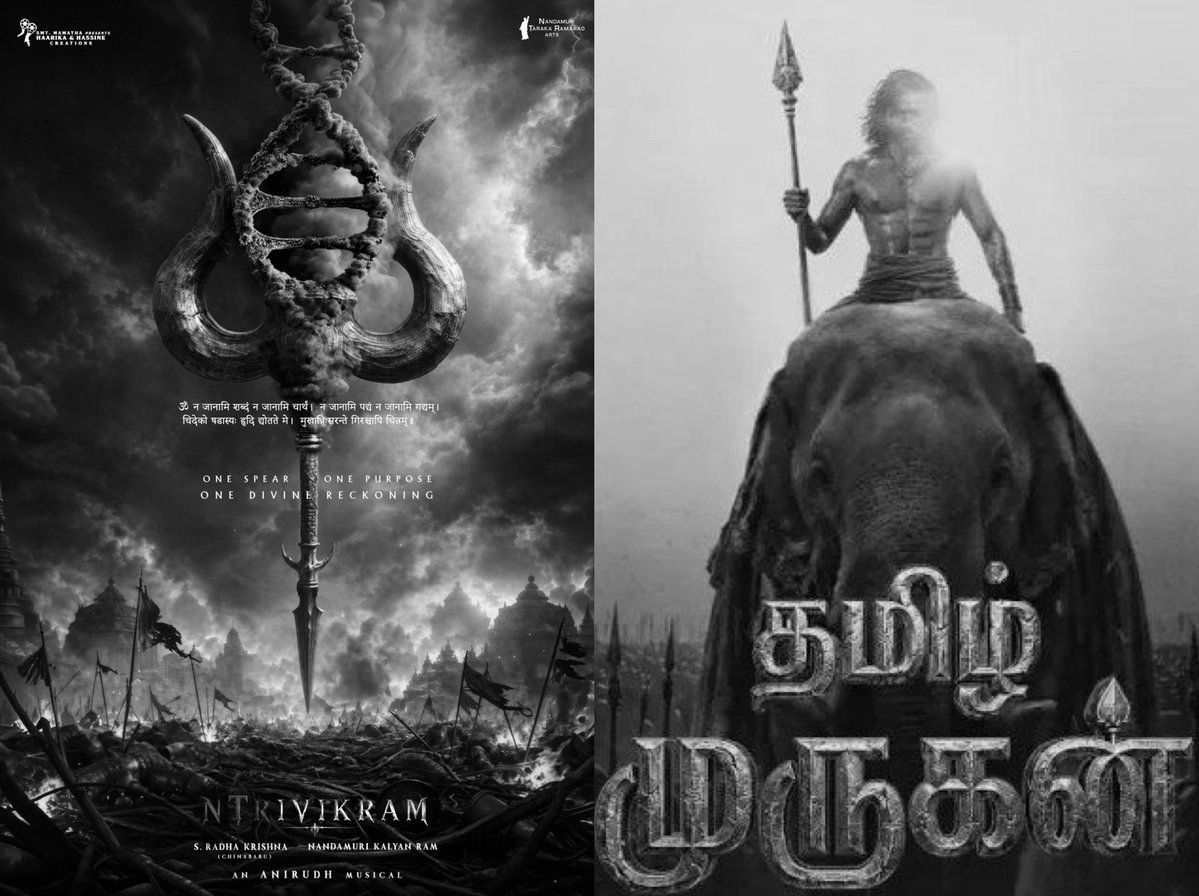
Dhanush's upcoming film Thamizh Murugan has sparked a major controversy in Tamil Nadu, reviving an age old debate over one of Hinduism's most revered deities: Was Lord Murugan, also known as Lord Karthikeya, born in North India or does he belong to South India?
The controversy erupted after the announcement of the film, which is directed by Vetrimaaran . While the makers have not officially revealed the storyline, the film's title and first look have led many to believe that it is based on Lord Murugan . However, it was not the poster but the caption accompanying the announcement that triggered the backlash.
Producer Naga Vamsi wrote: "Born in the North, forged in the heartland, worshipped in the South." The line immediately drew objections from many in Tamil Nadu, with critics arguing that it suggests Lord Murugan was born in North India. For many Tamils, the statement was seen as contradicting centuries of Tamil literary and cultural tradition.
The debate exists because Hindu traditions preserve more than one narrative about the deity's origins.
According to the Puranic tradition , Lord Murugan , also known as Karthikeya , Skanda , or Subrahmanya , is the son of Lord Shiva and Goddess Parvati . Hindu scriptures describe him as manifesting from Shiva's divine energy in the Himalayan region before being born to defeat the demon Tarakasura . Based on this tradition, many associate his divine origin with North India.
However, Tamils follow another equally significant tradition.
According to ancient Sangam literature , written more than 2,000 years ago, long before the Puranic traditions became widely influential across the subcontinent, Murugan was already celebrated as an indigenous Tamil hill deity. He was worshipped as the guardian of the mountains, closely associated with the Kurinji landscape, and revered as the patron of the Tamil language and Tamil culture.
For many Tamils, Murugan is therefore far more than a Hindu deity. He is deeply woven into Tamil history, literature, culture, and identity. They believe Murugan belongs intrinsically to South India and regard him as one of the defining symbols of Tamil civilization.
Historians note that these northern and southern traditions gradually merged over time as Hindu traditions evolved across India. The Tamil deity Murugan and the Puranic Karthikeya eventually came to be identified as the same god. While worship of Karthikeya gradually declined across much of North India, devotion to Murugan continued to flourish in Tamil Nadu, where he remains one of the state's most widely worshipped and beloved deities.
This historical evolution explains why the latest controversy has resonated so strongly. Supporters of the Puranic tradition point to Hindu scriptures describing Lord Karthikeya's divine manifestation in the Himalayan region. Meanwhile, Tamil scholars and devotees cite Sangam literature as evidence that Murugan has been worshipped as a native Tamil deity for over two millennia.
As a result, the caption "Born in the North, forged in the heartland, worshipped in the South" has become the centre of an intense debate that extends far beyond the film itself. For many devotees, it is not merely a question of mythology but one of history, faith, literature, and cultural identity.
Neither the makers of Thamizh Murugan nor producer Naga Vamsi have officially responded to the criticism. Until the film's story is formally revealed, the discussion surrounding Lord Karthikeya and Lord Murugan's origins continues to dominate social media, with the controversy once again highlighting how different traditions within Hinduism interpret the deity's origins while ultimately worshipping him as the same divine figure.