
Losar 2153 Begins: Tibetan Community in Himachal Marks New Year with Prayers and Unity
The Tibetan community in Himachal Pradesh celebrated Losar , the Tibetan lunar New Year, with traditional prayers, rituals, and cultural observances, marking the beginning of Losar 2153 the Year of the Fire Horse . The festival, one of the most significant in Tibetan Buddhism, symbolizes renewal, spiritual purification, and hope for peace and prosperity in the coming year.
Early morning ceremonies were held at monasteries across the state, with large gatherings at the Thupten Dorje Drak Monastery in Panthaghati near Shimla. Monks and devotees lit butter lamps, chanted sacred mantras, and performed special prayers seeking global peace, the well-being of humanity, and the long life of the Dalai Lama, Tibet’s spiritual leader.
Lama Lopen Lodos extended New Year blessings, noting that Losar begins with prayers for universal harmony and the prosperity of the region. The lighting of lamps and recitation of scriptures are believed to dispel negativity and usher in compassion and wisdom.
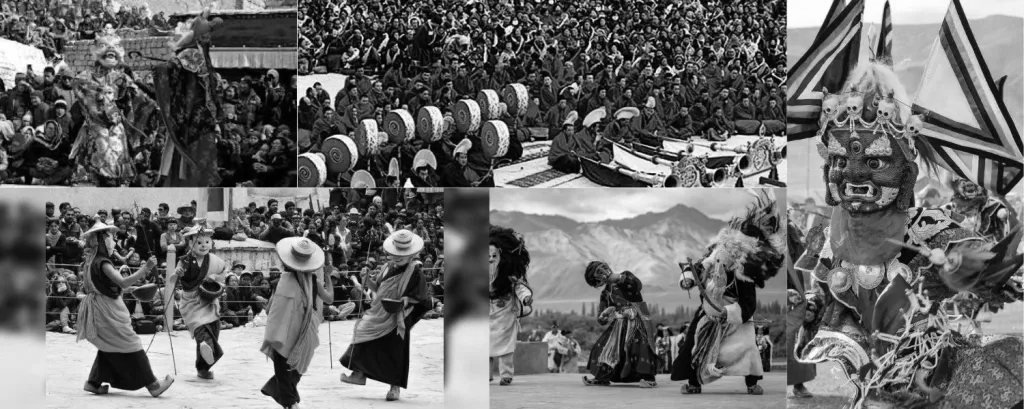
Losar celebrations typically span three days. The first day focuses on religious rituals and purification rites; the second day is marked by community visits and greetings; and the third day features cultural festivities, traditional dances, and offerings at monasteries. Families prepare festive foods such as guthuk (noodle soup eaten before New Year), khapse (deep-fried pastries), and butter tea, reinforcing bonds within the community.
Himachal Pradesh, particularly Dharamshala and surrounding settlements, hosts one of the largest Tibetan exile populations in India. Since the Dalai Lama’s arrival in India in 1959, the region has become a global center for Tibetan Buddhism, culture, and governance in exile. Losar celebrations here carry deep emotional significance, serving as a reminder of cultural continuity and resilience among displaced Tibetans.
In his Losar message, Sikyong Penpa Tsering , head of the Central Tibetan Administration (CTA) based in Dharamshala, called for unity among Tibetans worldwide. He emphasized that Tibetans share a common heritage rooted in language, religion, and homeland, and urged collective efforts to preserve their identity.
Tsering also highlighted the challenges faced by Tibetans inside Tibet, alleging policies that threaten Tibetan language, religion, and cultural practices. Despite these pressures, he praised Tibetans within Tibet for preserving their heritage and strengthening their cultural pride in the face of adversity.
Reflecting on shifting global political dynamics, he noted that emerging changes present both opportunities and challenges for the Tibetan cause. He urged Tibetans to act with wisdom and determination in advancing the vision of the Dalai Lama and safeguarding Tibetan culture for future generations.
International attention also marked this year’s Losar observance. US Senator Marco Rubio extended greetings and reaffirmed American support for the rights of Tibetans, including the protection of their linguistic, cultural, and religious heritage. He also announced the appointment of a senior US official to oversee Tibetan issues. The CTA welcomed the move, expressing hope that it would strengthen global advocacy and encourage dialogue on Tibet.
Losar celebrations will continue over the coming days, blending prayer, cultural performances, and community gatherings. For Tibetans in exile and within Tibet, the New Year remains a powerful symbol of resilience, faith, and shared identity a reaffirmation of their enduring heritage and aspirations for peace and dignity.