
Madhya Pradesh cabinet extends family pension to unmarried, widowed, and divorced daughters
In a landmark move, the Madhya Pradesh cabinet on Tuesday approved amendments to state pension rules, making unmarried daughters, along with widows and divorced women, eligible for family pension. The decision has been hailed as a major step toward social justice and women’s empowerment.
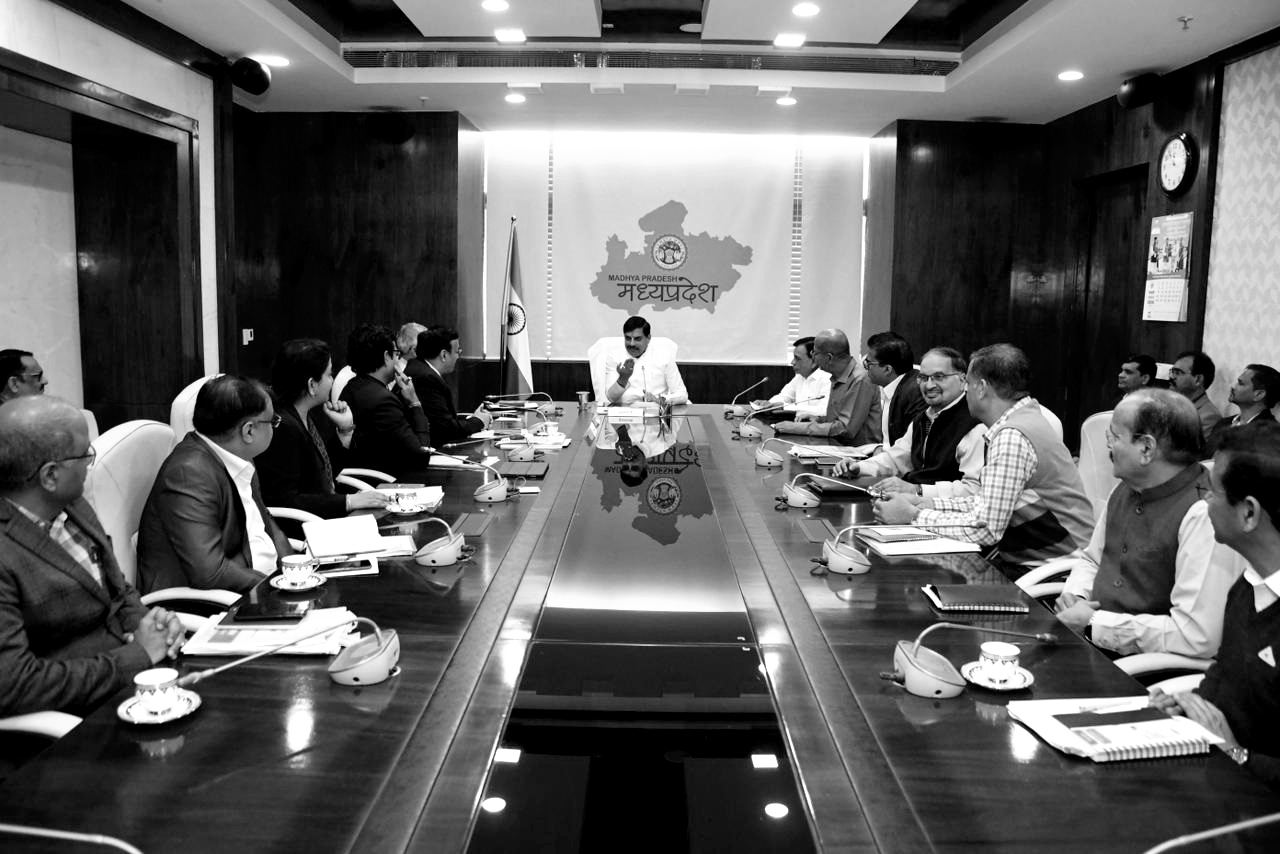
Under Rule 44 of the Madhya Pradesh Civil Services (Pension) Rules, 2026 , daughters who are unmarried, widowed, or divorced are now included among family members entitled to receive a pension after the death of the pensioner. The decision was taken in a cabinet meeting chaired by Chief Minister Mohan Yadav .
The cabinet also approved the Madhya Pradesh Civil Services (Pension) Rules, 2026 , the Commutation of Pension Rules , and rules under the National Pension System (NPS) , effective April 1, 2026 . These rules aim to simplify procedures for retirees, making pension calculation, commutation, and related processes easier and more transparent. Key provisions include family pension in case of a subscriber’s death, voluntary retirement, maintenance of e-service records, and consolidation of previous service with the Central and state governments.
The rules also detail subscriber and employer contributions during suspension periods, clear procedures for gratuity determination, and measures for post-retirement departmental inquiries, including recovery from gratuity.
Central government pension rules already provide for unmarried, widowed, and divorced daughters in many cases, ensuring family pension benefits if other nominees, such as spouses or minor children, are not eligible. Madhya Pradesh now formally joins this group of states under its own civil service pension framework. Some other states, including Haryana and Uttar Pradesh , have also extended similar benefits to daughters under specific schemes or orders.
Terming the decision a “humanitarian initiative,” Ashish Agrawal , media in-charge of the state BJP, said, “This is not just a pension, it’s a guarantee of the respect and safety of daughters. Unmarried, widowed, and divorced daughters will now also be entitled to a family pension after their father’s death. It is a powerful example of women’s respect, social justice, and sensitive governance.”
The cabinet’s move is being widely regarded as historic, reinforcing women’s rights and strengthening social security for families of government employees.