
MAGA Mutiny? Trump Faces Growing Rebellion After Midterm Election Losses
Hours after Donald Trump's midterm defeat, ruthless scapegoating has begun in the MAGA world. And now, even Trump is on the chopping block.
In his first public appearance after the defeat, Trump toured his proposed $600 million White House ballroom, enthusiastically discussing its helicopter-sized roof and magnificent marble flooring. Having lost an election amid anger over rising prices, the president chose to admire expensive construction.
His Interior Secretary called it a day of celebration, praising Trump as America's greatest builder. Meanwhile, Republicans were suffering major electoral setbacks.
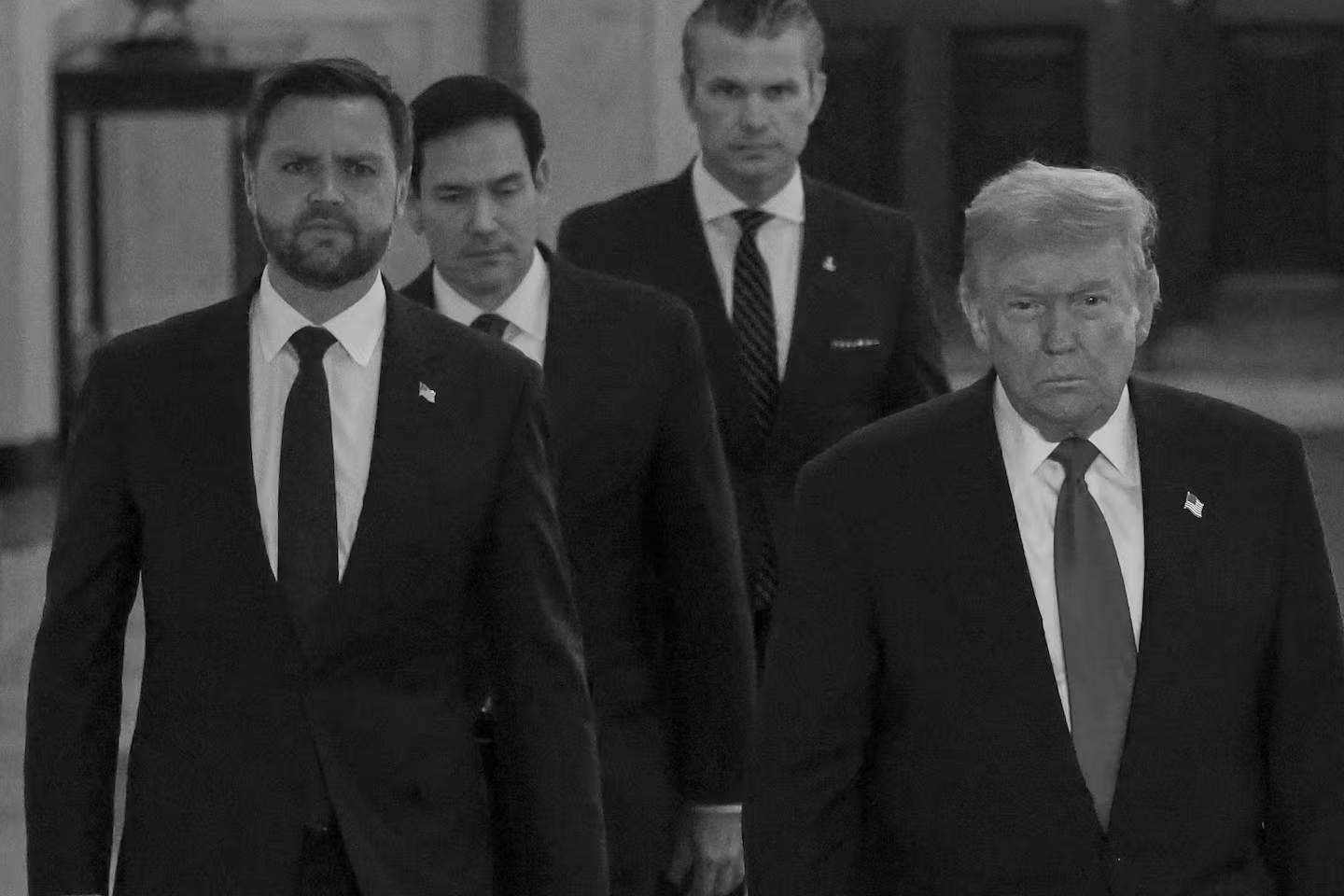
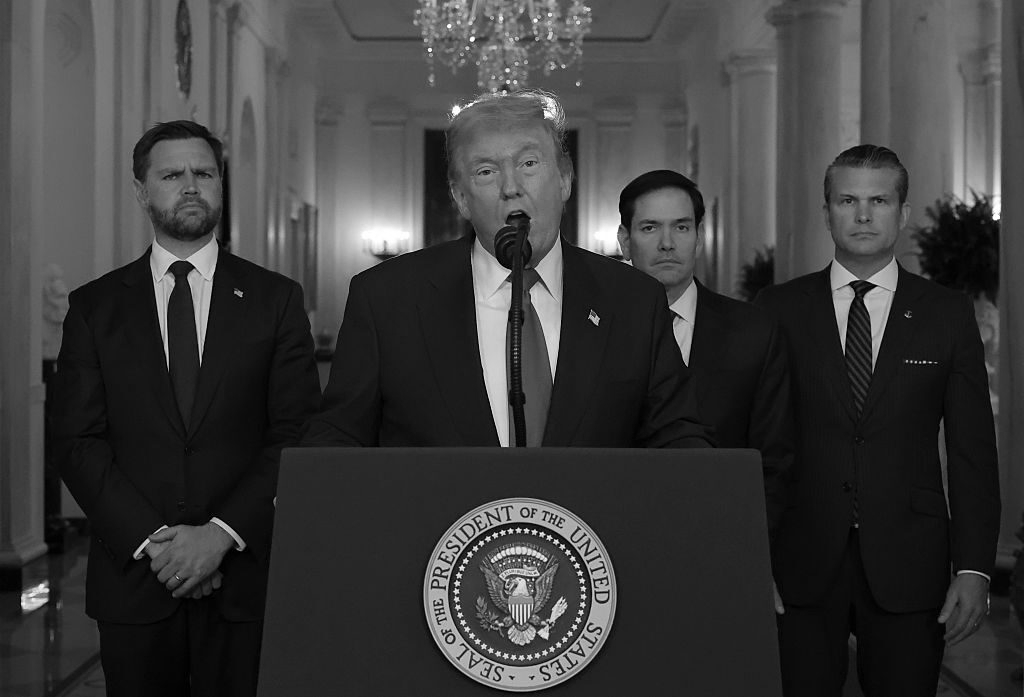
JD Vance, however, has a different political future. Trump cannot seek another presidential term, but Vance has ambitions for 2028. He blamed the Iran war for the Republican losses, pointing out that the conflict had cost the party politically.
Republicans now face a dilemma. They want accountability without directly confronting Trump. Their potential scapegoat is Defence Secretary Pete Hegseth, a former television presenter brought into the Pentagon by Trump. A Republican congressman has initiated impeachment proceedings against him, while a Republican senator has suggested he faces a reckoning. Trump publicly insists Hegseth has done a very good job, although reports suggest he has privately considered removing him.
Meanwhile, Vance is reportedly building a broader MAGA Plus coalition, retaining Trump's supporters while attracting new voters. His priorities include ending the Iran war, fighting inflation, putting America First and changing America's relationship with Israel. Florida Governor Ron DeSantis, another potential 2028 contender, has also criticised Trump's decisions, particularly Republicans who opposed releasing the Jeffrey Epstein files. He described the election results as an extinction-level event for the party. After more than a decade of Trump's dominance, the question is whether MAGA can survive beyond him?
And where is Marco Rubio in all this? The usually visible secretary of state has been conspicuously missing, with not a word from him on the Republican midterm debacle.
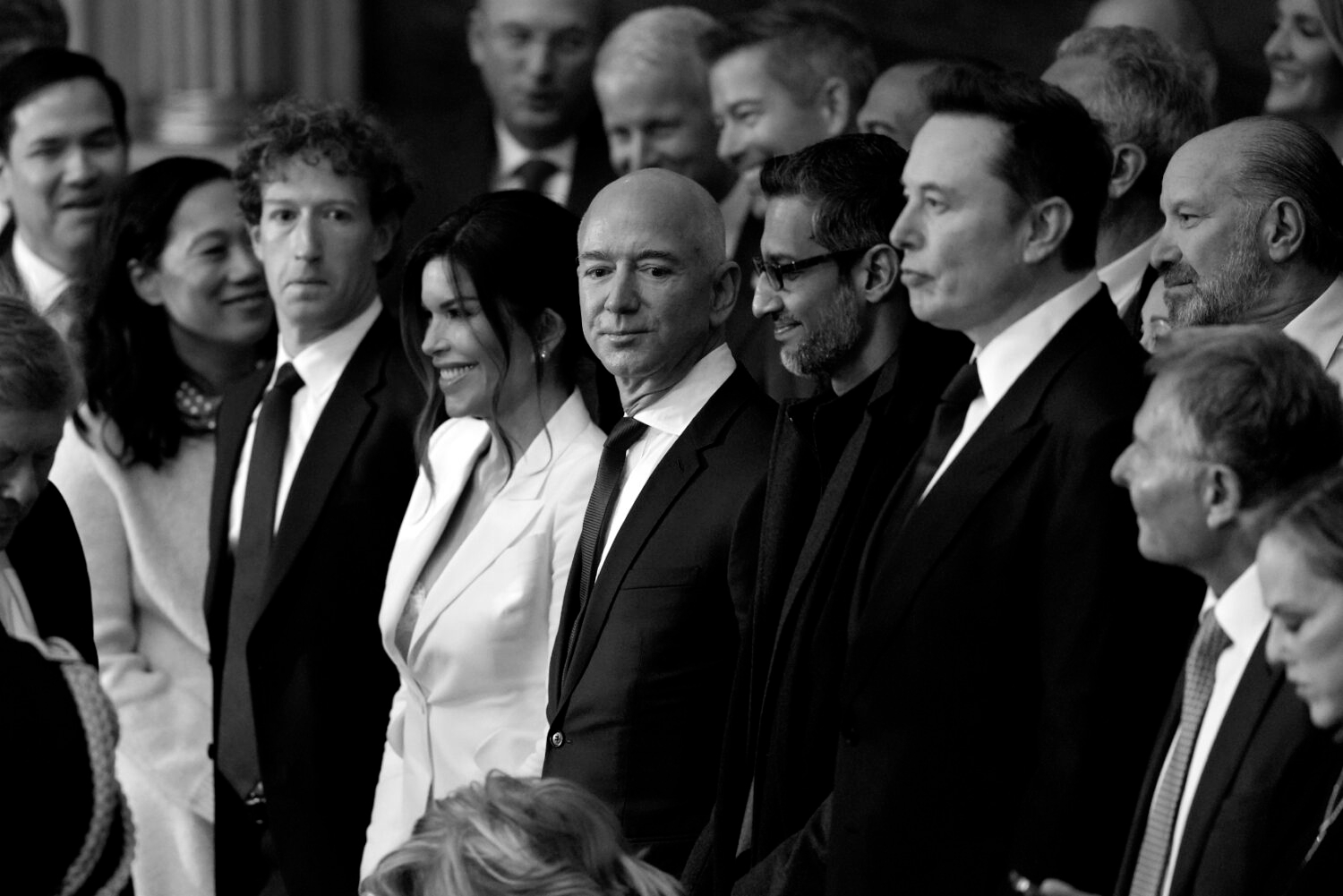
Trump is not the only billionaire facing political consequences. Elon Musk reportedly spent $474 million backing Republicans during the midterms, almost twice his spending supporting Trump in 2024. He wanted political influence and leverage. American campaign finance laws limit direct individual contributions to candidates, so Musk used political action committees (PACs), which finance advertisements, campaigns and voter outreach. His America PAC received $216 million. Super PACs can accept unlimited contributions but cannot coordinate independent spending with candidates.
Musk concentrated approximately $200 million in Texas, where Tesla's headquarters and major SpaceX operations are based. The state is also central to his AI ambitions, requiring land, electricity and government approvals. Yet his political bets failed. Democrat James Talarico defeated Republican Ken Paxton in the Senate race, while Gina Hinojosa defeated incumbent Greg Abbott in the governor's election.
Democratic control of Congress could also mean hearings, subpoenas and investigations into Musk's White House relationship, his former role in the Department of Government Efficiency (DOGE), federal job cuts and government contracts awarded to his companies.
But the bigger headache concerns artificial intelligence. Musk's xAI operates the Colossus and Colossus 2 supercomputing facilities near Memphis, whose expansion requires enormous amounts of electricity, water, land and regulatory approvals.
Across America, communities are increasingly opposing data centres over rising electricity bills, dwindling water resources and environmental concerns. Voters question why ordinary households should bear the costs while technology billionaires collect the profits.
Democrats, led by House Minority Leader Hakeem Jeffries, are promising AI hearings and legislation establishing safeguards. A Democratic AI Commission is also preparing policy recommendations. Greater scrutiny could mean slower approvals, local opposition, pressure on companies to fund their own electricity and fewer tax incentives.
The implications extend beyond Musk to the entire technology industry, which has invested heavily in political campaigns and cultivated relationships in Washington.