
Maharashtra, Germany’s Hesse Sign Pact to Boost Investment and Skilled Jobs
Maharashtra and Germany’s Hesse state have signed a memorandum of understanding (MoU) to deepen cooperation in investment, innovation, employment, skill development and cross-border mobility, creating a new economic bridge between India and Germany as Berlin seeks skilled talent and Maharashtra looks to expand its global investment, technology and market linkages.
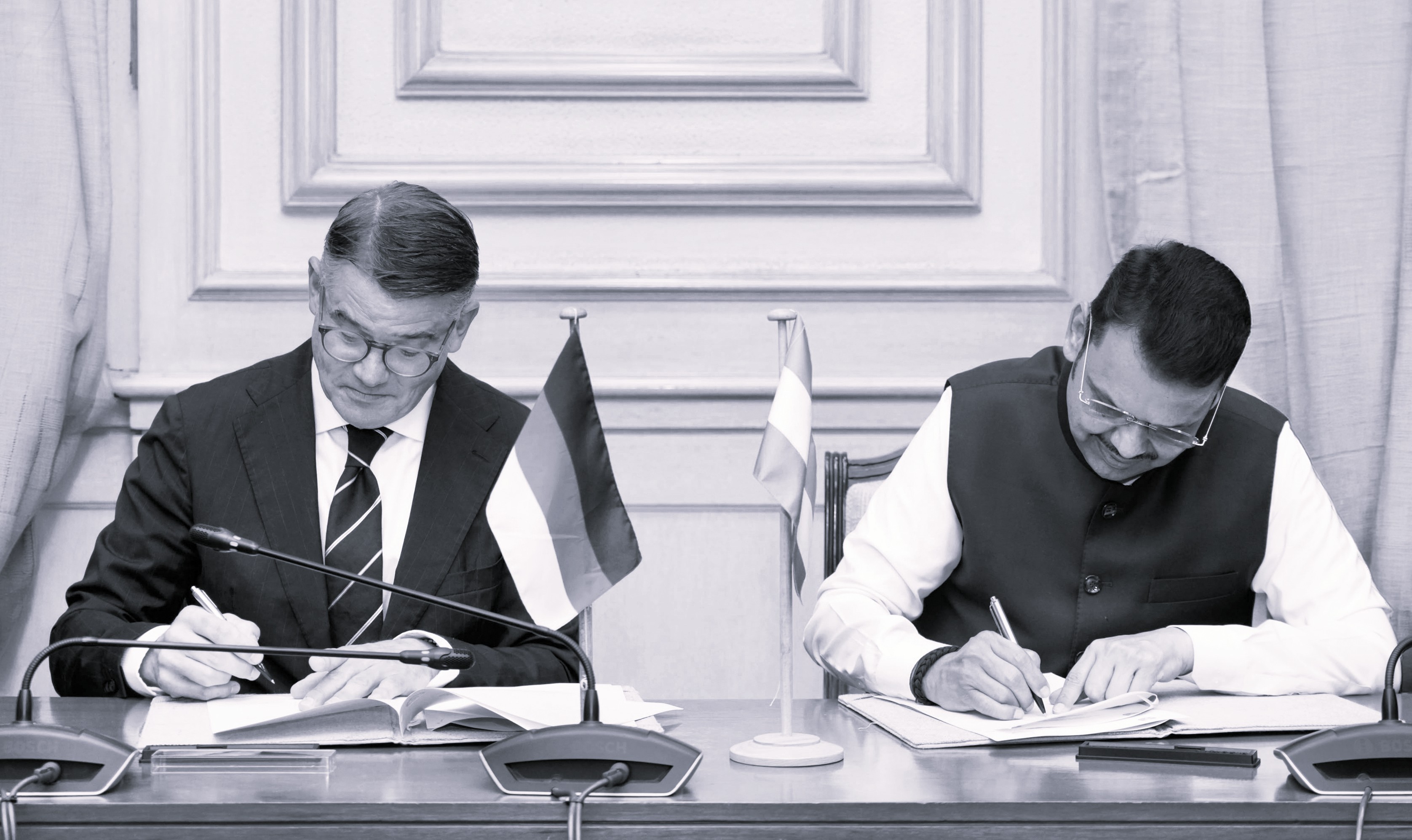
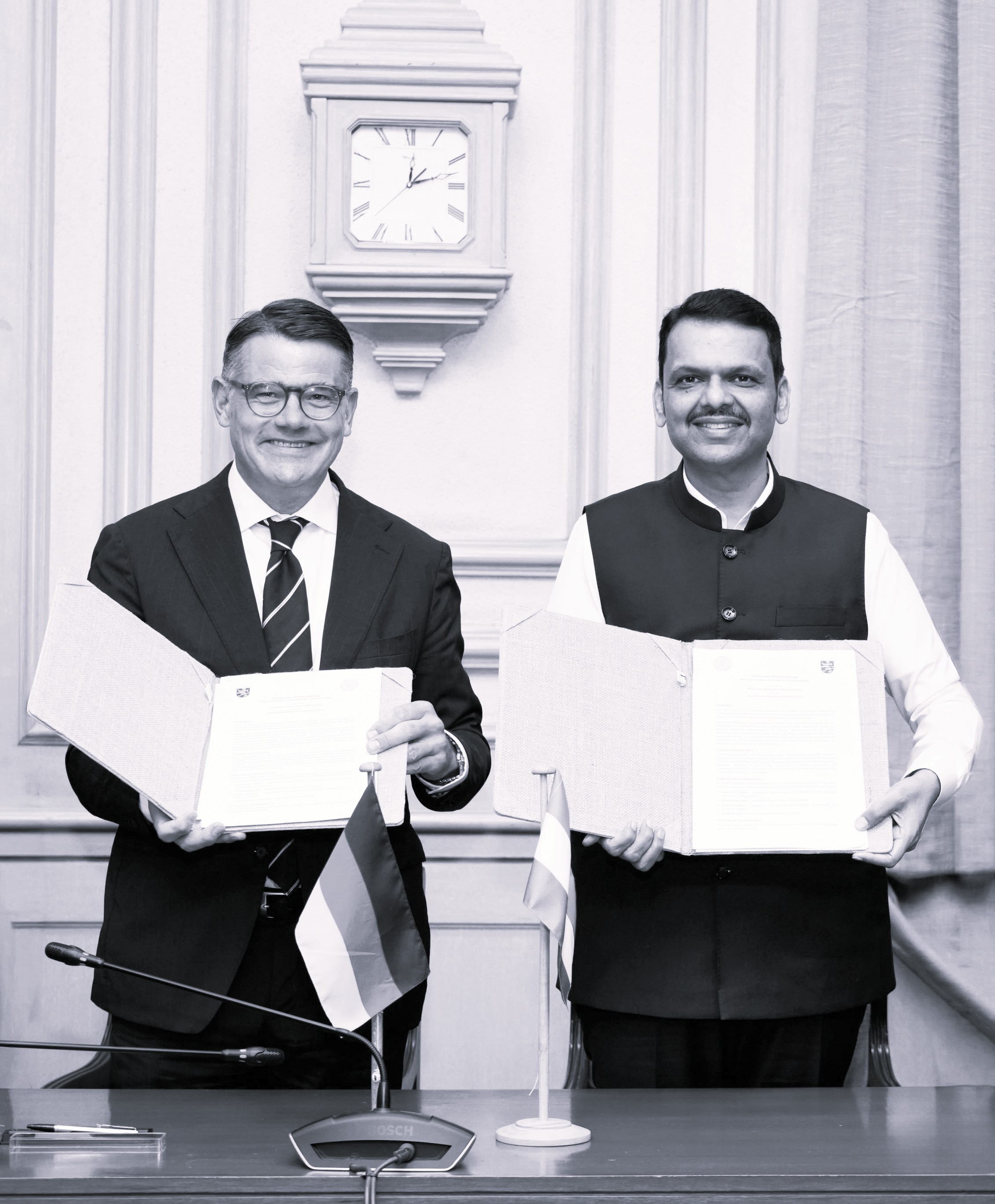
The agreement was signed by Maharashtra Chief Minister Devendra Fadnavis and Hesse Minister-President Boris Rhein at Sahyadri Guest House in Mumbai on Friday. Fadnavis described the partnership as cooperation between two economically strong regions, positioning Hesse as Maharashtra’s gateway to Germany and Europe, while Maharashtra could become Hesse’s gateway to India and the Indo-Pacific.
The partnership comes as Germany faces persistent shortages in specialised occupations amid an ageing workforce. Germany’s Federal Employment Agency has identified significant shortages across areas including healthcare, engineering, skilled trades and technology, with foreign workers increasingly driving employment growth. The agreement could therefore create a structured link between Germany’s demand for skilled professionals and Maharashtra’s large pool of engineers, doctors, technologists and trained workers.
The MoU covers four key areas - industry, services, information technology, and skilled manpower and cross-border mobility. Potential cooperation spans pharmaceuticals, healthcare, engineering, automobiles, financial services, logistics, the digital economy and artificial intelligence.
Maharashtra’s industrial strengths complement Hesse’s expertise in pharmaceuticals, chemicals, biotechnology, medical technology, finance and advanced industry. Fadnavis said Mumbai and Frankfurt, both major financial centres, could serve as gateways to each other’s economies, strengthening business, research and investment ties.
The agreement also opens opportunities in AI, smart manufacturing and research and development, including potential German R&D centres in Pune that could combine German industrial expertise with Indian engineering and technology talent. Cooperation in pharmaceuticals, life sciences and healthcare could similarly connect research, manufacturing and specialised skills.
The partnership gains further significance from the India-EU Free Trade Agreement, concluded in January 2026, which provides preferential access for more than 99 per cent of Indian exports by trade value. Maharashtra-based companies could use Hesse as a gateway to wider European markets, while German businesses could gain deeper access to India.
Fadnavis also proposed a presence for leading Hesse universities at the planned Education City near Navi Mumbai, potentially strengthening joint research and specialised training.
A Joint Working Group will oversee implementation, while regular Maharashtra-Hesse Business Dialogues could facilitate investments and business delegations. Rhein praised Maharashtra’s infrastructure and investment climate, while stressing that the partnership also rests on shared values of democracy, rule of law and multilateral cooperation.
The agreement’s success will ultimately depend on concrete investments, technology projects, education partnerships and skilled-worker pathways, turning the framework into a durable Maharashtra-Europe economic corridor.