

Melania Trump Secures Russia-Ukraine Ceasefire In Oleshky As Residents Face Food Shortages
US First Lady Melania Trump has secured a localised ceasefire between Russia and Ukraine in the occupied Ukrainian city of Oleshky to allow humanitarian aid deliveries and civilian evacuations. The White House announced October 29 as the start date, but Ukrainian and Russian military officials subsequently indicated October 27, leaving the implementation timeline unclear.
“The situation in Oleshky is dire,” Melania said on Friday, describing the frontline city as being on the brink of disaster. She said she initiated discussions with both countries after learning about the crisis at her Fostering the Future Together event during the United Nations General Assembly in September.
Melania Trump’s involvement in the Oleshky ceasefire began after she learned about the city’s humanitarian crisis at a United Nations General Assembly event in September. She initiated discussions with Russian and Ukrainian leaders, helped coordinate the ceasefire’s terms and implementation, and supported plans for humanitarian aid deliveries and civilian evacuations. Her role is unusual for a US first lady, who is not the principal US negotiator, and builds on her previous efforts to reunite 34 children separated from their families during the war.
The White House said both sides agreed to suspend military action in Oleshky to facilitate aid deliveries and establish safe passage for civilians. Melania and her representative coordinated the terms, technical procedures and timing. Ukrainian human rights ombudsman and negotiator Dmytro Lubinets said the operation would proceed in stages, beginning with a ceasefire, followed by mine clearance, humanitarian deliveries and evacuations.
Russia's military chief, Valery Gerasimov, announced that Russian forces would cease fire along the Kherson front from 4 am Moscow time on October 27 to facilitate the operation. Kremlin spokesman Dmitry Peskov confirmed the agreement and said evacuations could take several days. The dates have not been fully reconciled.
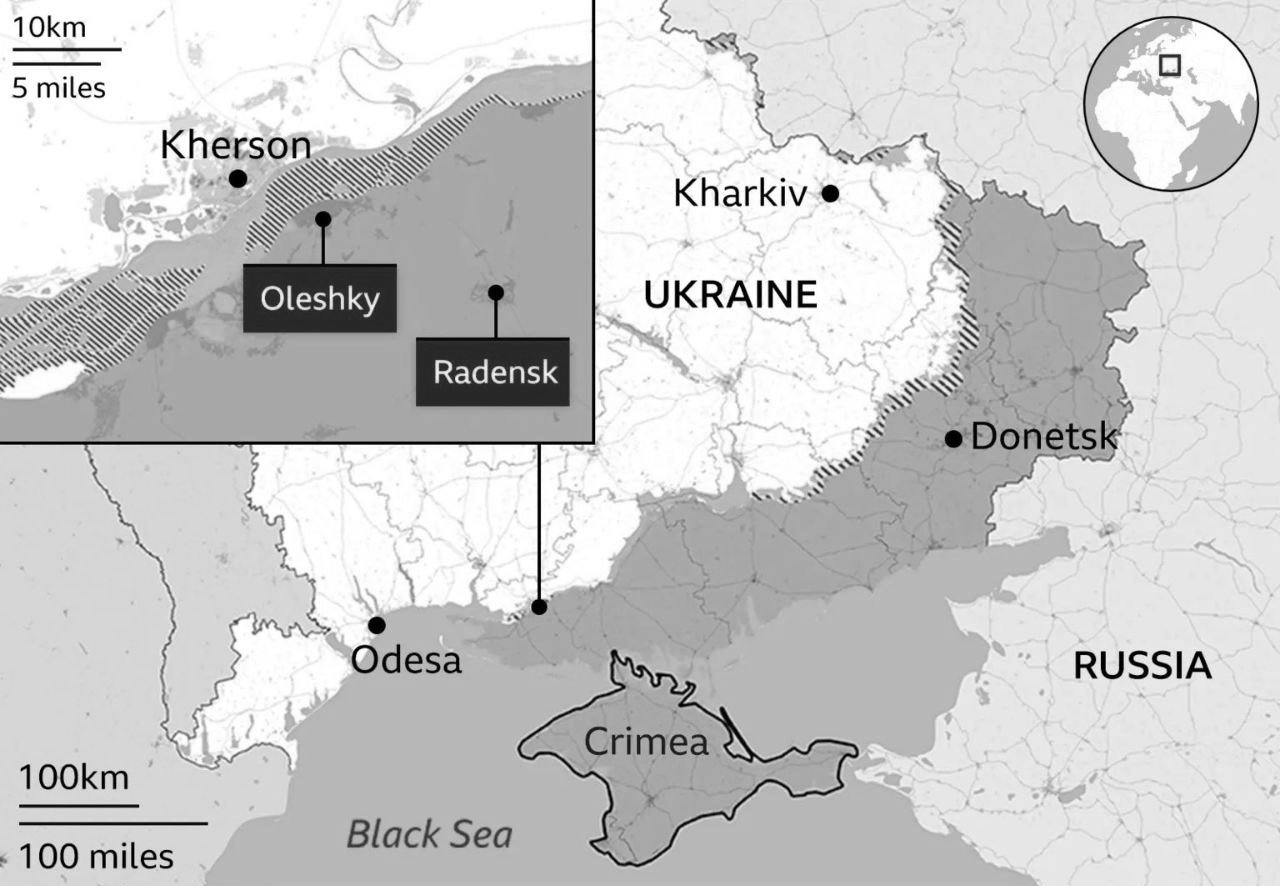
Oleshky, captured by Russian forces in February 2022, once had approximately 24,000 residents. An estimated 1,700–2,000 people, including around 50 children, remain. Residents face severe shortages of food, medicines and drinking water, alongside limited electricity, no running water or heating, mined roads and persistent drone threats.
The UN human rights monitoring mission reported that the last regular food delivery reached the town on May 26. Ukrainian forces later used heavy-lift drones to deliver approximately four tonnes of food and medical supplies to 100 locations in September. However, the assistance remains insufficient. Reports have also described limited hospital supplies and patients unable to reach advanced medical treatment.
Previous evacuation attempts have been obstructed by mines and attacks. Volunteers helped some residents escape through temporary easings in hostilities, but the numbers were far below the scale of need. The International Committee of the Red Cross has indicated readiness to assist if both sides agree and adequate security guarantees are provided.
Melania's office said her earlier communication channel with Russia and Ukraine helped reunite 34 children with their families. Meanwhile, Zelenskyy confirmed plans for US-mediated talks in Abu Dhabi in the first half of November, stressing the need for security guarantees and long-term military funding.