
MGD1, Chessgurukul Bow Out As Ding Liren’s Dragon Chilling Complete Hong Kong Double
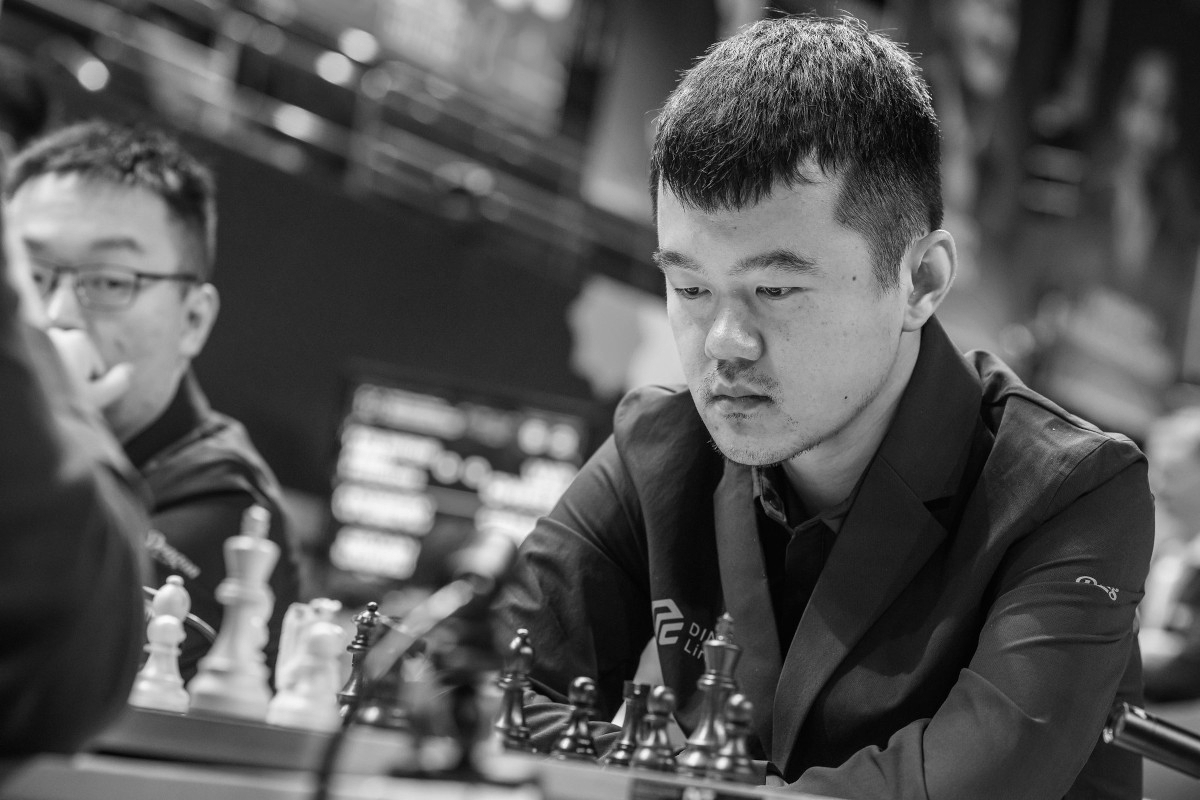
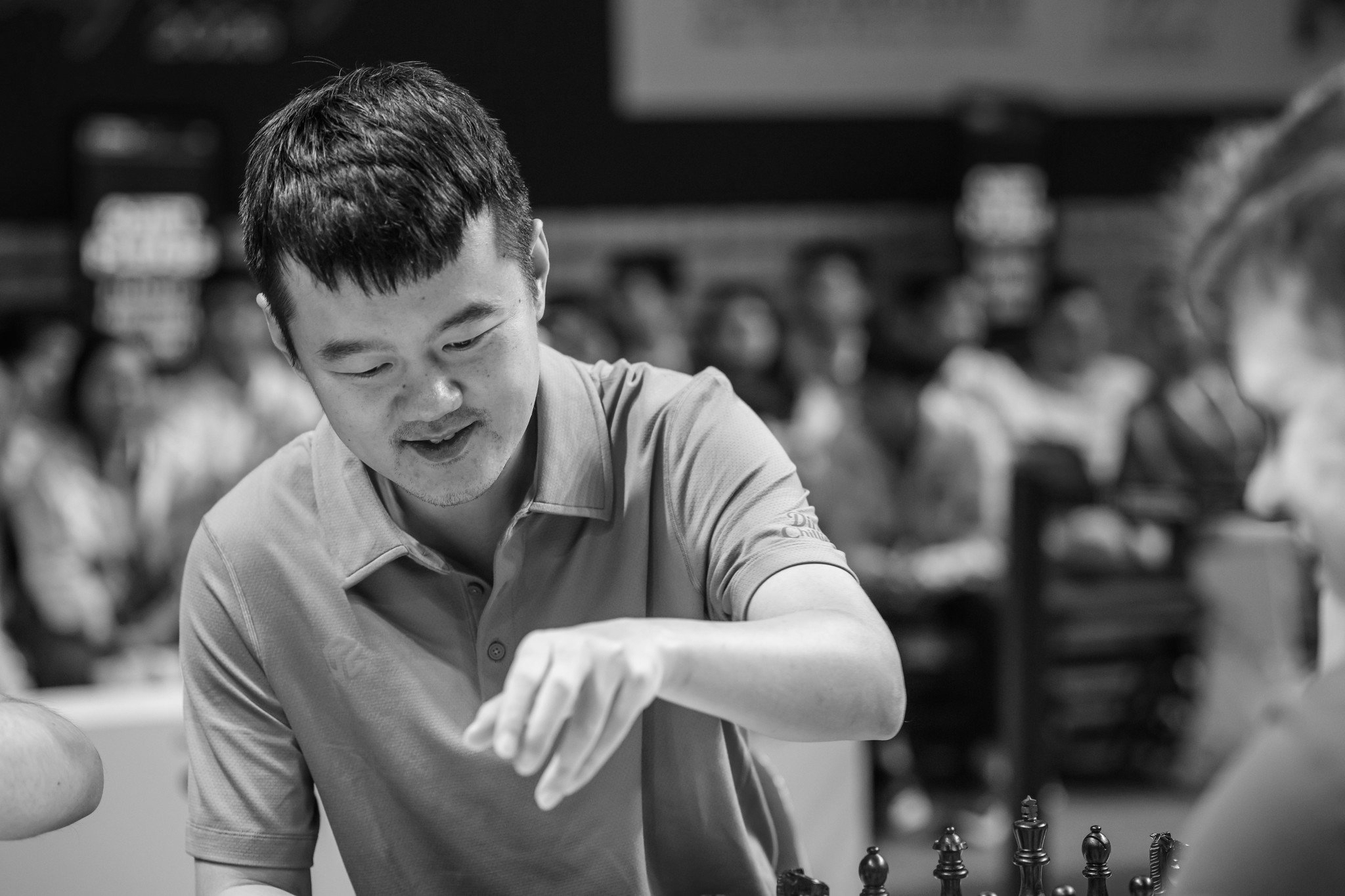
China’s Dragon Chilling completed a golden double at the 2026 FIDE World Rapid and Blitz Team Championships , adding the blitz crown to the rapid title they had won earlier in the week. Led by former world champion Ding Liren , the Chinese side defeated Endgame.AI in the final to finish a near-perfect week in Hong Kong.
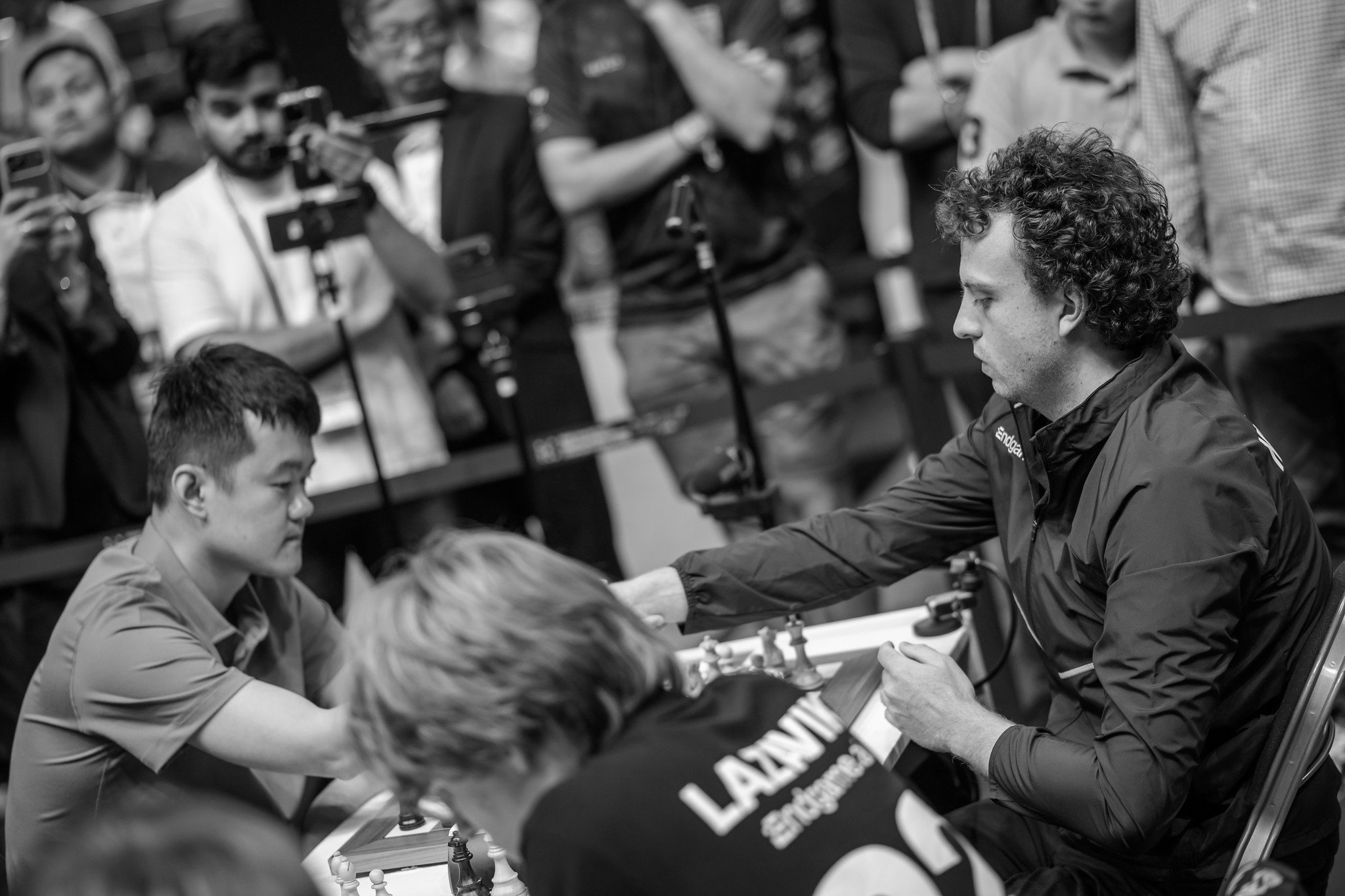
For Indian chess, the final day was a story of pride, near misses and generational symbolism. Arjun Erigaisi’s Team MGD1 , the defending rapid champion, had already come agonisingly close to retaining the rapid title, finishing joint-top on 18 match points before losing gold to Dragon Chilling on tiebreaks. In the blitz section, MGD1 again reached the business end, but were knocked out in the quarterfinals by Endgame.AI , who went on to reach the final.
Chessgurukul , led by R Praggnanandhaa , also made the blitz quarterfinals after a memorable win over Chess United , the team featuring Indian legend Viswanathan Anand . The most symbolic moment of that tie came when Pragg defeated Anand with the black pieces, helping Chessgurukul advance. It was one of those rare games that felt larger than the match score: the torchbearer of Indian chess facing one of the brightest faces of its new generation.
Chessgurukul’s run ended in the quarterfinals against Hexamind , who won both matches 3.5-2.5. Hexamind, featuring Levon Aronian, Alireza Firouzja, Anish Giri, Vidit Gujrathi, Volodar Murzin and Kateryna Lagno , eventually finished fourth in the blitz after losing the bronze playoff to Uzbekistan . Vidit was indeed part of a medal-contending team, but Hexamind did not win the blitz title. They had earlier finished third in the rapid section.
The blitz podium belonged to Dragon Chilling , Endgame.AI and Uzbekistan . Dragon Chilling survived a difficult quarterfinal against Mr Birdie and Friends , edged Uzbekistan in the semifinals, and then dominated Endgame.AI in the final. Ding set the tone by defeating Hans Niemann on board one in the first match, before his teammates Ju Wenjun, Wei Yi, Lu Shanglei, Wang Zihao and Yu Yangyi helped close out the title.
Uzbekistan’s bronze was another major storyline. Nodirbek Abdusattorov had an outstanding blitz event, at one point crossing the 2800 live blitz rating mark and overtaking Firouzja on the live list. He also beat Magnus Carlsen in the quarterfinal rematch that helped Uzbekistan eliminate star-studded WR Chess from medal contention. It was a landmark performance from Abdusattorov, whose live blitz rating surge was one of the individual highlights of the championship.
Carlsen’s own tournament swung wildly. In the rapid section, he suffered four consecutive losses, including defeats to Arjun Erigaisi , Shant Sargsyan , Javokhir Sindarov and Aydin Suleymanli . But the world No. 1 found his rhythm at the start of the blitz event, winning eight games in a row before losing a ninth game to Xu Xiangyu from a promising position. On the final day, however, WR Chess again fell short, finishing fifth despite a lineup that included Carlsen, Fabiano Caruana, Wesley So, Maxime Vachier-Lagrave, Jan-Krzysztof Duda and Alexandra Kosteniuk .
The Arjun-Carlsen subplot remained one of the tournament’s most followed stories. Arjun’s rapid win over Carlsen, powered by a queen sacrifice, had already become one of the games of the event. In the blitz playoffs, Arjun also produced a marathon queen endgame win over Carlsen that stretched deep into the night’s tension, before Carlsen later struck back as WR Chess defeated MGD1 in the fifth-place playoff tiebreak. Between them, the two produced exactly the kind of elite rapid and blitz drama that fans came to Hong Kong to see.
Pragg’s form was another major Indian takeaway. After becoming the first Indian to win Norway Chess , he carried that confidence into Hong Kong. He won individual gold on board one in the rapid section, scored heavily for Chessgurukul, defeated Arjun in the rapid event and then beat Anand in blitz. His run across formats now feels less like a phase and more like a sustained climb into the very top layer of world chess.
The event itself was a feast for chess followers. Hong Kong brought together legends, current leaders, young prodigies and women stars under one roof: Anand, Carlsen, Ding, Aronian, Caruana, Ivanchuk, Wesley So, Hans Niemann, Firouzja, Abdusattorov, Arjun, Pragg, Nihal Sarin, Harika Dronavalli, Koneru Humpy, Vaishali Rameshbabu, Ju Wenjun, Hou Yifan, Alexandra Kosteniuk and Kateryna Lagno were all part of the larger spectacle.
There were enough tactical shots, endgame saves, time-scramble blunders and board-to-board swings to keep analysts busy for weeks. But beyond individual brilliance, the event’s success lay in its format and execution. With elite grandmasters sharing team sheets with women players, juniors and recreational players, the championship retained its unusual democratic flavour while still producing world-class chess on the top boards.
For India, there was no team gold this time. But MGD1’s rapid silver, Chessgurukul’s strong fifth-place rapid finish and quarterfinal blitz run, Pragg’s individual brilliance, Arjun’s wins over Carlsen, and the continued presence of Anand, Humpy, Harika, Vaishali, Nihal and Vidit across elite squads made Hong Kong another reminder of how deeply India now belongs at the centre of world chess.