
Missing Since 1867: Rare Himalayan Flower Makes Historic Return In Arunachal Pradesh
A rare Himalayan flowering plant, Cyananthus hookeri, has been rediscovered in India after 158 years , with scientists confirming its presence in Arunachal Pradesh’s Tawang district, marking the first recorded sighting of the species in the country since it was documented in Sikkim in 1867.
The discovery was made by scientists from the Botanical Survey of India (BSI) during a field survey conducted in September 2025 near Chuna Valley, close to Mago village , at an altitude of around 3,600 metres . The findings have been published in the international conservation journal Oryx , with the research led by BSI scientists Subhajit Lahiri, Monalisa Das and Sudhansu Sekhar Dash .
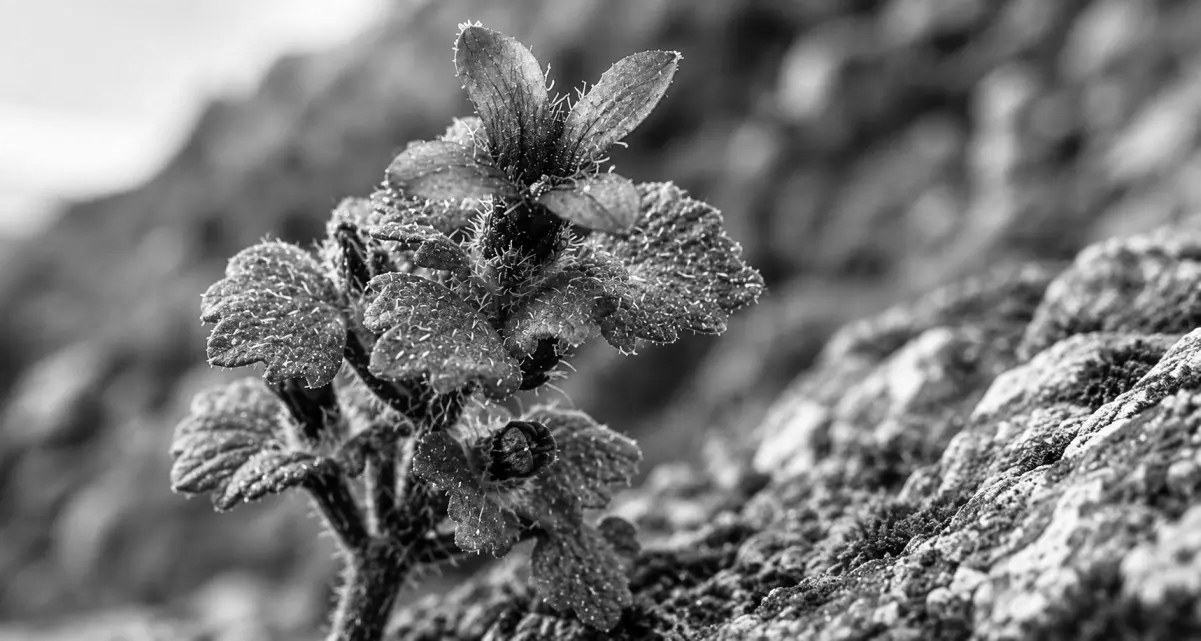
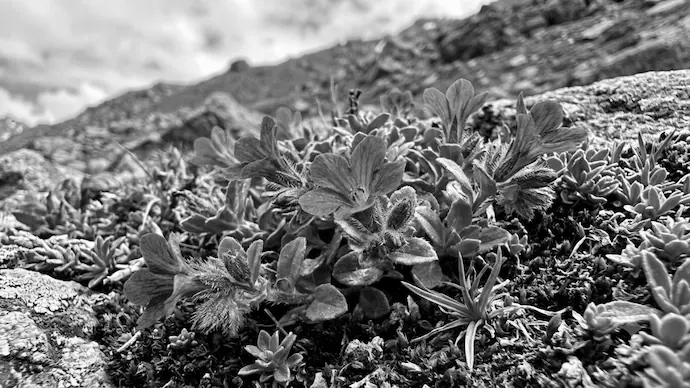
The rediscovered plant bears delicate purple-blue, bell-shaped flowers that bloom close to the ground amid the rugged alpine landscape. Growing in rocky Himalayan meadows, its compact form and vibrant blossoms make it both visually striking and exceptionally difficult to spot, helping explain why it remained unseen in India for more than a century and a half.
The purple-blue flowering species belongs to the bellflower family (Campanulaceae) and was first documented in India by British botanist Sir Joseph Dalton Hooker in Sikkim in 1867 . Researchers found only 3–7 mature individuals along with a few immature plants at the survey location, while estimating the Indian population to be fewer than 50 mature individuals , highlighting its extreme rarity.
Scientists examined herbarium records and found only two previous Indian collections of the plant, both from Sikkim in 1867 preserved at international herbaria. The latest discovery represents the first confirmed record of Cyananthus hookeri in Arunachal Pradesh and the first Indian collection in more than a century and a half.
Based on its restricted distribution, limited population and potential decline, researchers have recommended that the species be classified as Endangered in India under IUCN criteria . The plant is also known to occur in parts of the eastern Himalayas, including Bhutan, China, Nepal and Tibet.
Arunachal Pradesh Deputy Chief Minister Chowna Mein described the rediscovery as a major milestone for India’s botanical heritage, saying it reflects the state’s exceptional biodiversity and the urgent need to conserve fragile Himalayan ecosystems.
Located in the Eastern Himalaya biodiversity hotspot , Arunachal Pradesh continues to emerge as a key centre for botanical research, with recent scientific surveys uncovering several rare plant species and strengthening conservation efforts in the region.