
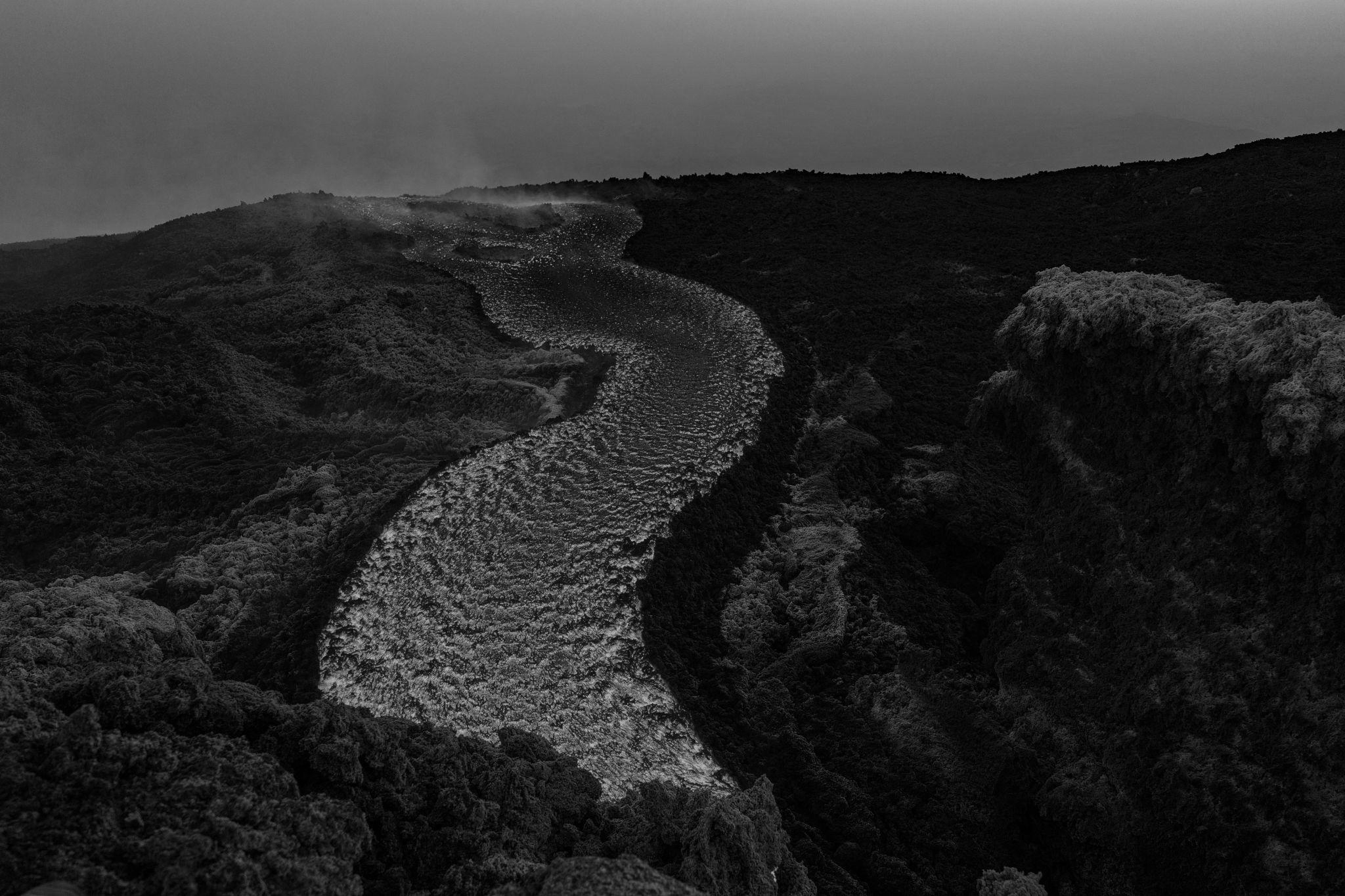
Mount Etna Erupts In Sicily, Thousands Of Tourists Stranded As Volcanic Ash Disrupts Flights
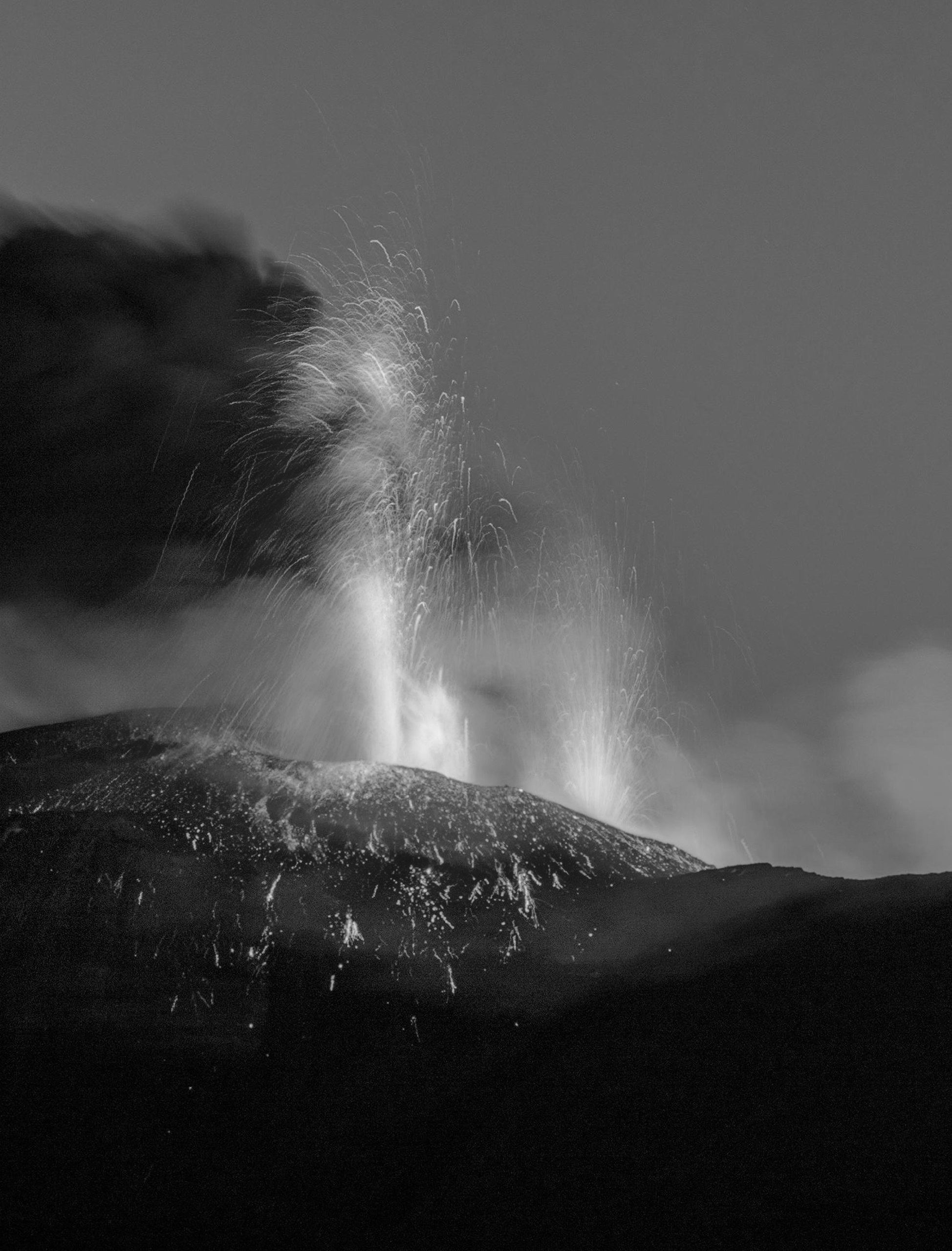
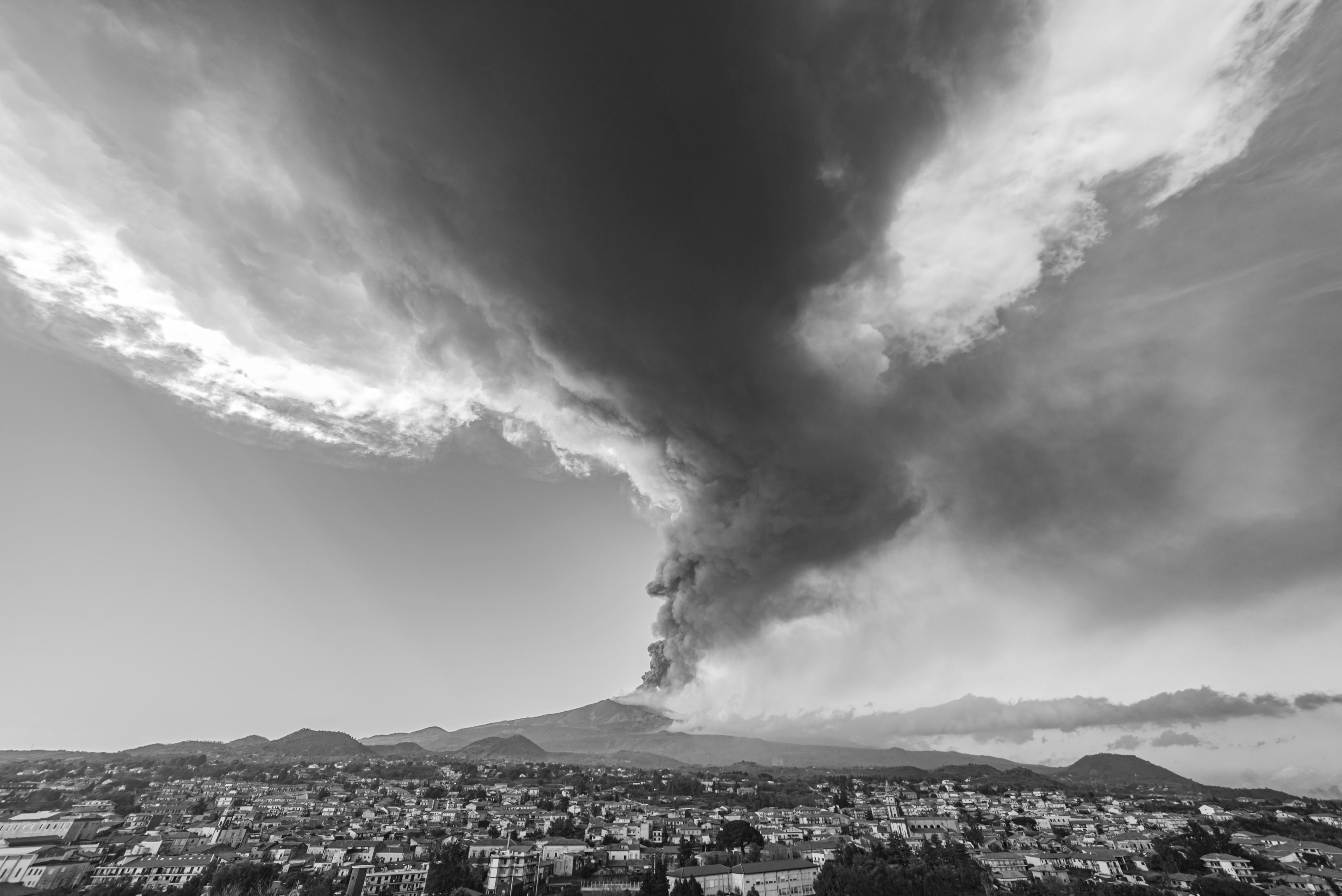
Mount Etna, one of the world’s most active volcanoes, erupted in Sicily, sending massive plumes of volcanic ash into the sky and triggering widespread travel disruptions across the Italian island. The eruption forced authorities to manage flight operations, leaving thousands of tourists facing delays and uncertainty during the peak travel season.
The volcanic activity from Mount Etna, located near the eastern Sicilian city of Catania, produced a dense ash cloud that affected visibility and aviation safety. Several flights were delayed, diverted, or temporarily impacted as airlines monitored conditions around the region.
Catania Airport, one of Sicily’s busiest aviation hubs, faced operational challenges due to the ash cloud , with authorities taking precautionary measures to ensure passenger safety. Travellers were advised to check flight schedules regularly as volcanic conditions continued to change.
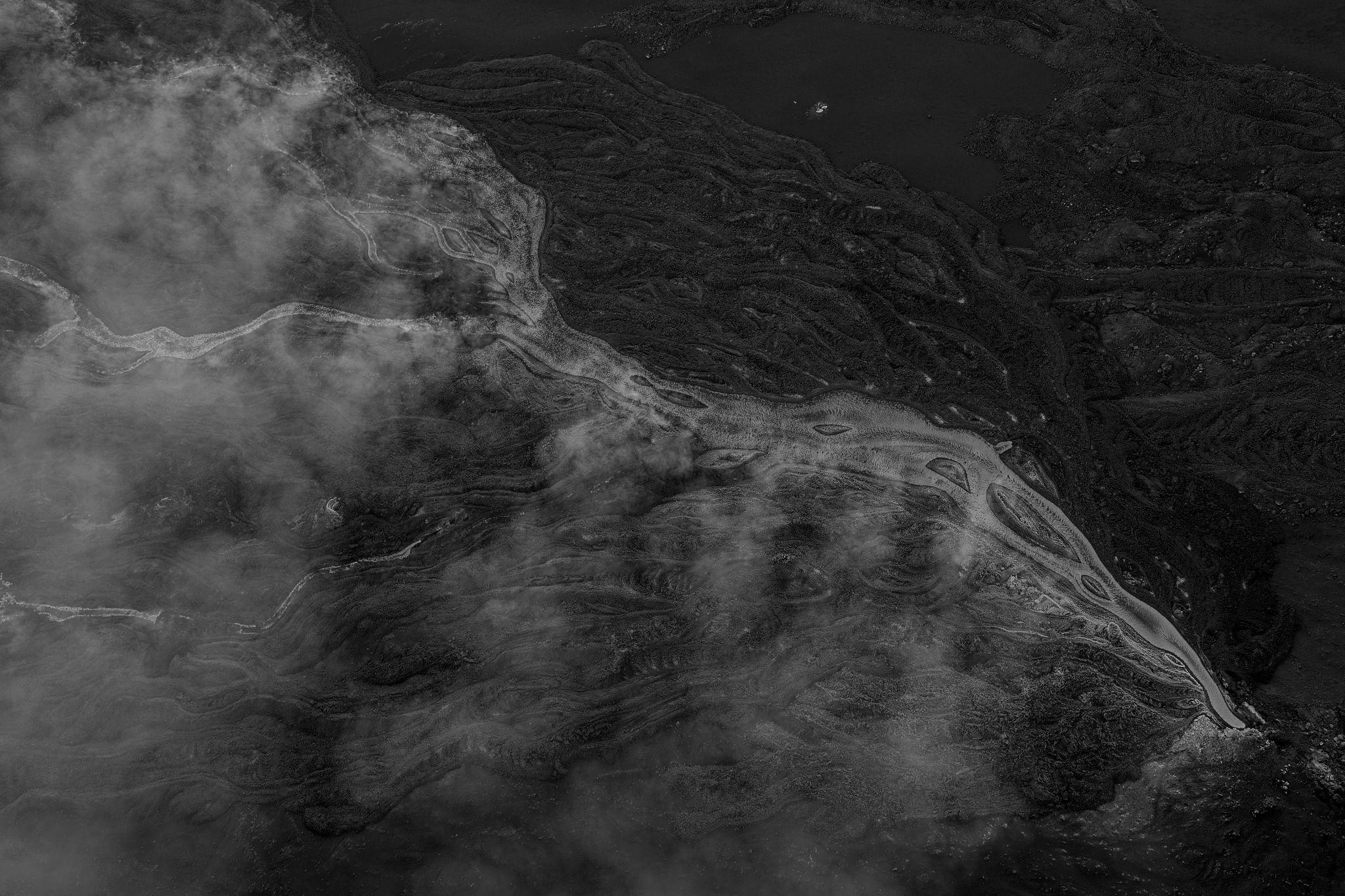
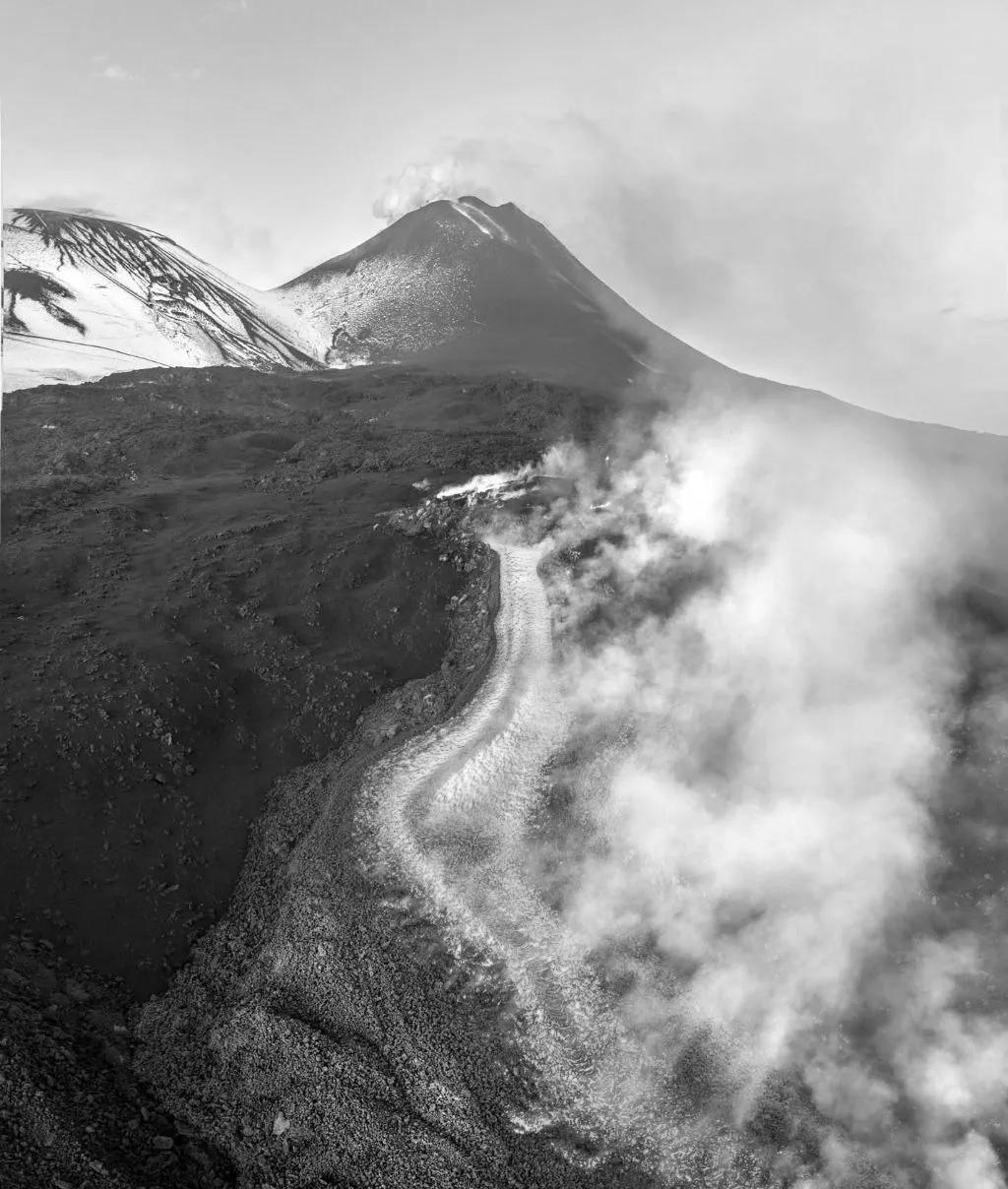
The eruption attracted large crowds of visitors hoping to witness the dramatic natural spectacle, while emergency teams remained on alert to monitor lava activity and ash movement. Local officials continued assessing the impact on nearby communities and tourism services.
Mount Etna has a long history of frequent eruptions and is closely monitored by Italy’s National Institute of Geophysics and Volcanology (INGV). The volcano’s activity is considered a major attraction for tourists but can also create significant disruptions when ash clouds spread into air routes.
Sicily’s tourism sector faced a temporary setback as stranded visitors looked for alternative travel arrangements , while airlines worked to restore normal operations once conditions improved.
Authorities said there were no immediate reports of major injuries, but the eruption highlighted the challenges posed by living alongside Europe’s tallest active volcano. Monitoring teams continue tracking Etna’s activity for further developments.