
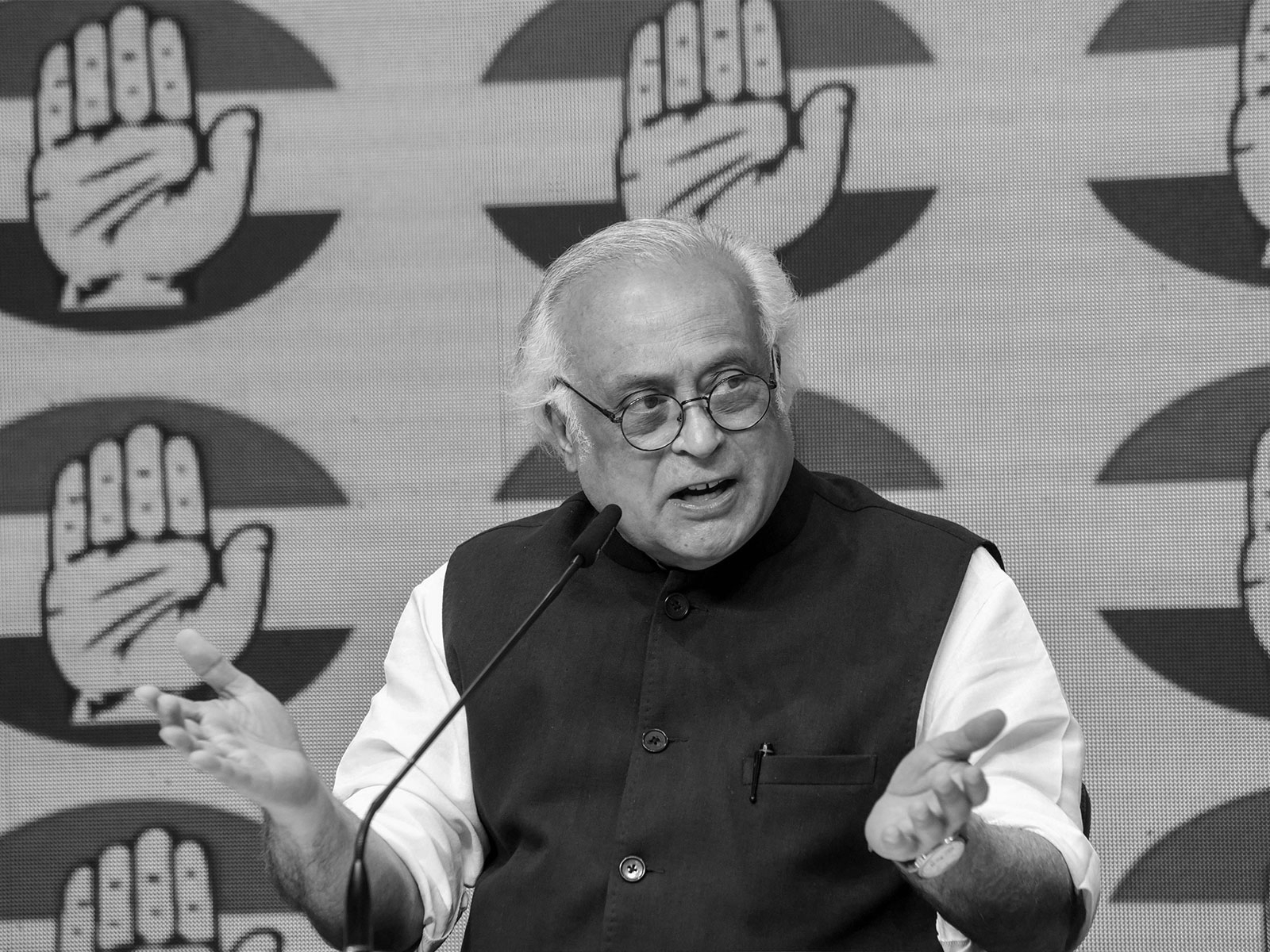
MP Jairam Ramesh Warns One Nation, One Election Could Weaken Democratic Accountability
Senior Congress leader and MP Jairam Ramesh has criticised the Centre's proposed One Nation, One Election (ONOE) framework, arguing that simultaneous elections could weaken the ability of voters to hold governments accountable between general elections. Citing the recent US midterm election results, he said periodic elections play an important role in maintaining democratic accountability and institutional balance.
In a post on X on Wednesday, Ramesh said the US midterm results demonstrated how voters could use elections to express dissatisfaction with a ruling administration. Drawing a comparison with India, he argued that the ONOE proposal advocated by the Narendra Modi-led government would significantly reduce opportunities for voters to assess governments independently between Lok Sabha elections.
Ramesh also alleged that the institutional balance at the core of India's constitutional democracy had been "dangerously disturbed" since 2014.
Under the ONOE proposal, elections to the Lok Sabha and State Legislative Assemblies would be conducted simultaneously. The government has argued that the system could reduce election expenditure, minimise repeated deployment of security personnel and administrative machinery, limit disruptions caused by the Model Code of Conduct and allow governments to focus more on development and governance.
However, the proposal has raised concerns about federalism, regional representation and electoral accountability. Critics argue that simultaneous elections could give national political issues greater prominence, potentially overshadowing state-specific concerns such as employment, agriculture, irrigation and infrastructure.
Regional parties, including the TDP, YSRCP, BRS, DMK and Trinamool Congress, could also face challenges if national campaigns and leadership dominate election narratives. However, the impact would depend on regional political dynamics and voter preferences.
Another concern involves situations where a State government loses its majority before completing its term. Under the proposed framework, a fresh election could be held, with the newly elected Assembly serving only the remainder of the common election cycle.
Meanwhile, the US midterm results strengthened the Democratic Party's position in Congress, providing greater scope to challenge President Donald Trump's legislative agenda. Voter dissatisfaction over inflation, tariffs, the Iran conflict and presidential conduct reportedly contributed to the shift.
The debate over ONOE highlights the challenge of balancing administrative efficiency with democratic accountability and the independent political mandate of India's states.