
Mumbai to Mark 18th Anniversary of 26/11 Attacks With ‘#NEVEREVER’ Memorial
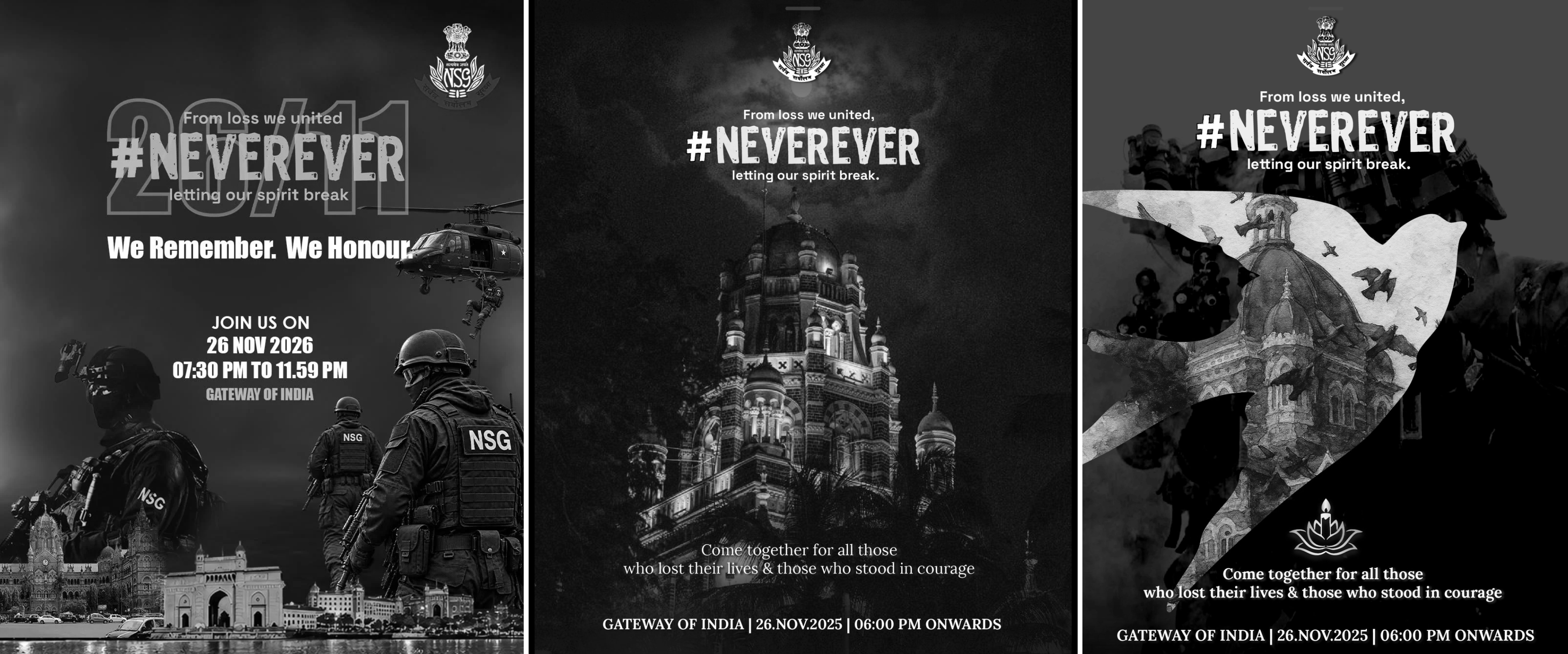
As the 18th anniversary of the November 26, 2008, Mumbai terror attacks approaches, the city is preparing to honour the victims and survivors through a special memorial and pledge ceremony at the Gateway of India, even as two lawyers who defended the lone captured terrorist, Ajmal Kasab, continue to await remuneration more than 15 years after the conclusion of the Bombay High Court proceedings.
The National Security Guard (NSG), Mumbai, is organising the ceremony under the theme "#NEVEREVER" to honour martyrs, remember victims and recognise survivors. The memorial will feature photographs, floral tributes, candles and a unique "Living Memorial" made of wax candles. Additionally, 11 colleges and 26 schools across Mumbai will organise pledge-taking activities promoting peace, vigilance and national security. The programme will include the felicitation of survivors and martyrs' families, public message-writing and audio-visual presentations. The Gateway of India will be illuminated in the national tricolour bearing the #NEVEREVER message.
Meanwhile, advocates Amin Solkar and Farhana Shah, who represented Kasab before the Bombay High Court for nine months, say their remuneration remains unpaid. Appointed by the Maharashtra State Legal Services Authority (MSLSA) on June 8, 2010, Solkar was entitled to fees equivalent to a special public prosecutor, while Shah was to receive remuneration on par with an additional public prosecutor handling death penalty confirmation cases. Official sources estimated the amount at Rs 1,500–2,000 per day.
The lawyers said the authority continued demanding detailed bills and memoranda of their court appearances despite the passage of more than a decade. They argued that their appointment notification had already established the fee structure. An MSLSA official maintained that formal bills were necessary under standard procedures. In contrast, advocate Abbas Kazmi, who defended Kasab during the trial, said his remuneration was cleared promptly.
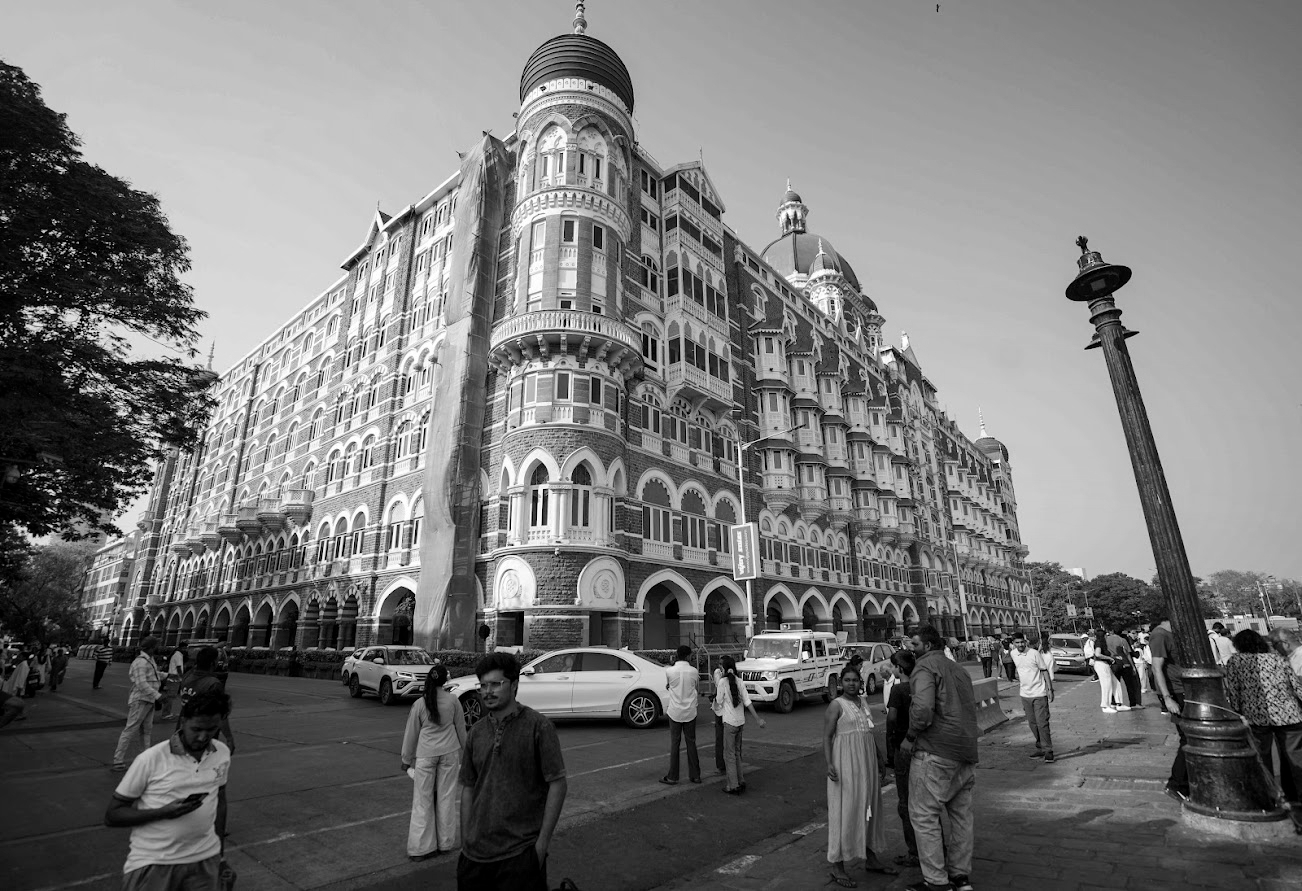
The attacks involved 10 Lashkar-e-Taiba terrorists who arrived by sea after hijacking fishing vessel Kuber. They targeted locations including CST, the Taj Mahal Palace Hotel, Oberoi-Trident and Nariman House, killing 166 people and injuring 238, according to the Supreme Court judgment. Kasab was the sole attacker captured alive and was executed on November 21, 2012, at Yerwada Central Jail, Pune.
The attacks prompted major security reforms, including the establishment of the National Investigation Agency (NIA), four NSG hubs and strengthened coastal surveillance. A 2014 government report recorded 46 coastal radar stations, 74 Automatic Identification System receivers and 51 Navy-Coast Guard network nodes. The Supreme Court also highlighted the risks of live television coverage revealing security operations.
India's pursuit of alleged conspirators continued with Tahawwur Rana's extradition from the United States on April 10, 2025, and his arrest by the NIA. The anniversary therefore brings renewed attention to remembrance, national security, constitutional safeguards and unresolved administrative responsibilities.
Keep the 350-word limit exactBalance both news anglesReduce bold formatting further