
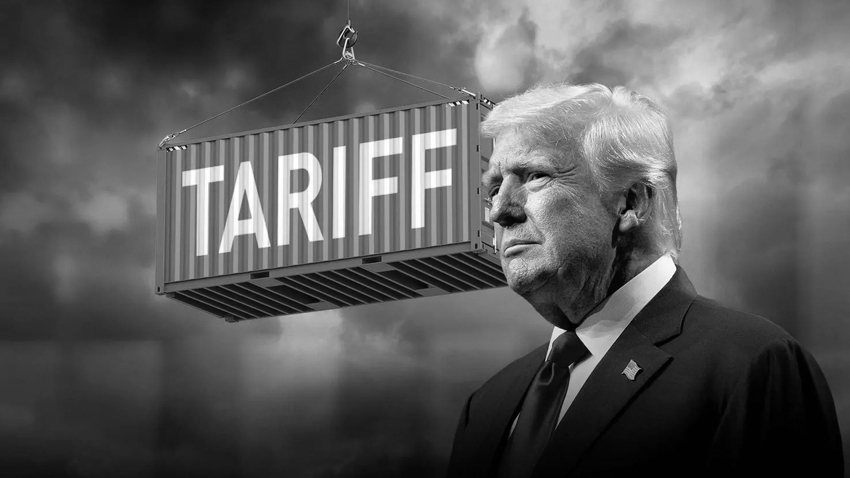
New 10% U.S. tariff takes effect as Trump eyes 15% global rate
New tariff takes effect at 10 per cent, with a 15 per cent rise planned. The United States implemented the 10 per cent global tariff on most imports Tuesday after the U.S. Supreme Court struck down earlier emergency tariffs. The levy, imposed under Section 122 of the Trade Act of 1974 , will last 150 days unless Congress extends it , creating uncertainty for global markets .
Key exemptions cover products from Canada and Mexico under the USMCA , aerospace goods, engines, and some agricultural and energy items. President Trump framed the move as a tool to tackle the trade deficit , warning that countries “ripping off” the U.S. could face higher tariffs. Analysts describe the situation as “tariff chaos” , with safe-haven assets rising amid market unease. Meanwhile, India halted its delegation’s negotiations with the U.S., citing concerns that the new tariff regime could undermine previous agreements.
The tariff policy has sparked legal challenges from FedEx, Costco, Revlon, Toyota, BYD, Goodyear Tire & Rubber, and Alcoa, all seeking refunds of duties collected under the now-invalid emergency tariffs. Estimates suggest over $130 billion was collected before the Supreme Court ruling, and these companies claim significant financial losses, with FedEx alone citing up to $1 billion.
European officials paused ratification of the EU‑U.S. trade deal , citing breaches of tariff ceilings, while Japan, Taiwan, and the United Kingdom also expressed concerns. Economists warn that moving from country-specific tariffs to a flat global tariff may benefit some nations while creating broader uncertainty for exporters and importers alike .
Developing economies including India and Brazil could see export disruptions, particularly in electronics, pharmaceuticals, and agriculture. Domestically, public approval of Trump’s economic leadership remains low. Senate Democrats are pushing legislation to refund tariffs with interest, prioritizing small businesses, highlighting rising political pressure on trade policy.