
Newly Released US Docs Allege China Conducted Secret Nuclear Test at the Height of COVID
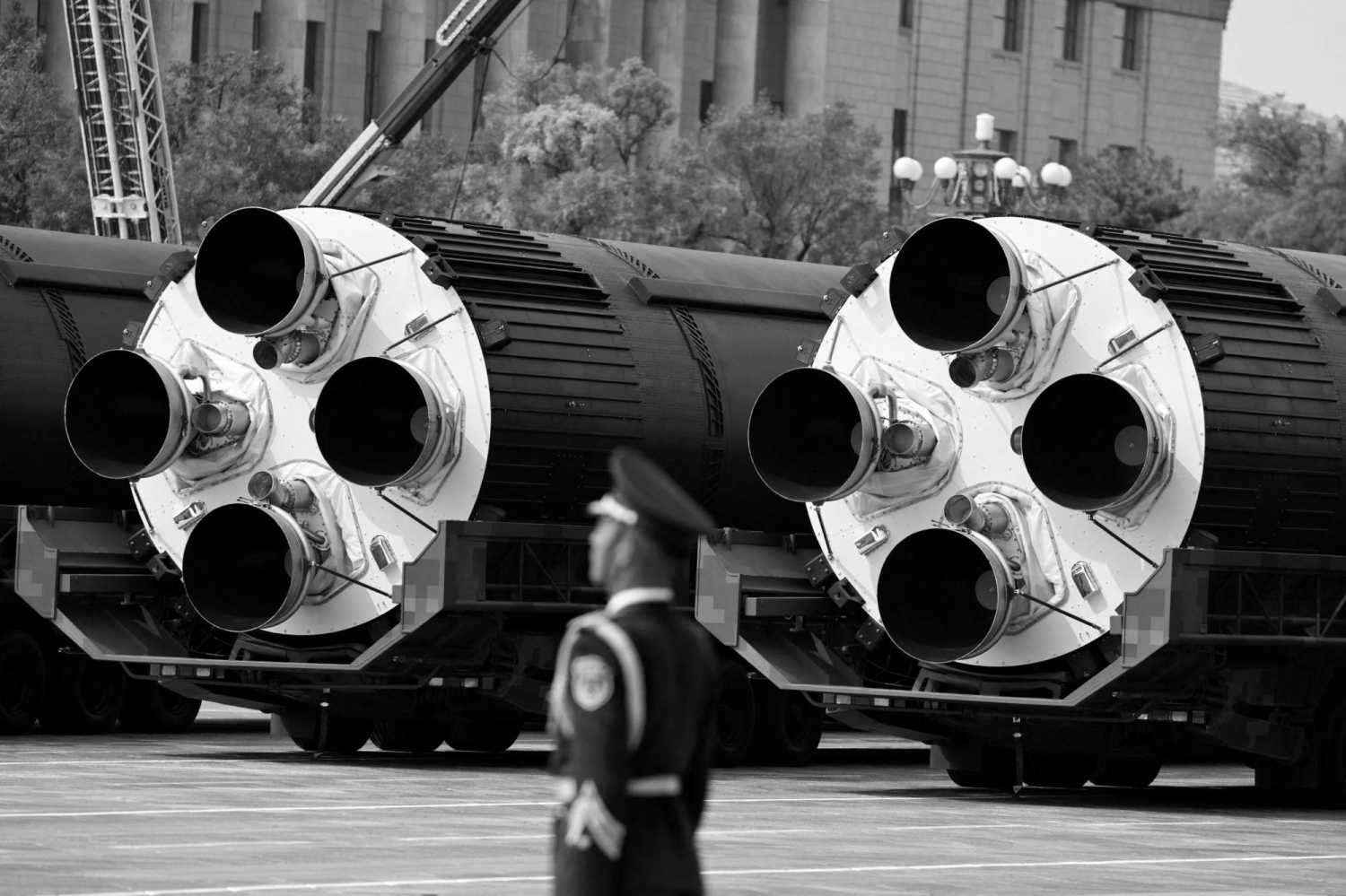
The United States has reignited global concerns over nuclear transparency after releasing declassified intelligence alleging that China conducted a low-yield underground nuclear explosion at its Lop Nur test site in June 2020. The disclosure, presented at the UN-backed Conference on Disarmament , comes at a fragile moment for global arms control following the expiration of the New START treaty — the last agreement limiting U.S. and Russian strategic nuclear arsenals. Washington says seismic signals recorded near Lop Nur resembled those associated with nuclear detonations rather than mining blasts, while also accusing Beijing of restricting international monitoring and verification measures.
China has firmly rejected the allegations, calling them politically motivated and reaffirming its commitment to suspending nuclear testing under the spirit of the Comprehensive Nuclear-Test-Ban Treaty (CTBT) . Beijing maintains that its arsenal remains far smaller than those of the United States and Russia and argues that calls for trilateral arms control talks are unfair given differing strategic environments. The dispute reflects a widening trust deficit : Washington views China’s rapid expansion and opacity as destabilizing, while Beijing portrays its modernization as defensive and necessary for maintaining credible deterrence.
The controversy unfolds amid broader structural shifts in nuclear governance . U.S. estimates suggest China’s stockpile has grown significantly in recent years and could exceed 1,000 warheads by 2030. Analysts note that advanced testing techniques complicate verification, blurring the line between permitted research and prohibited testing. With arms control frameworks weakening and strategic rivalry intensifying, experts warn that the world is entering a multipolar nuclear order marked by deterrence without trust a condition that may heighten long-term global security risks .