
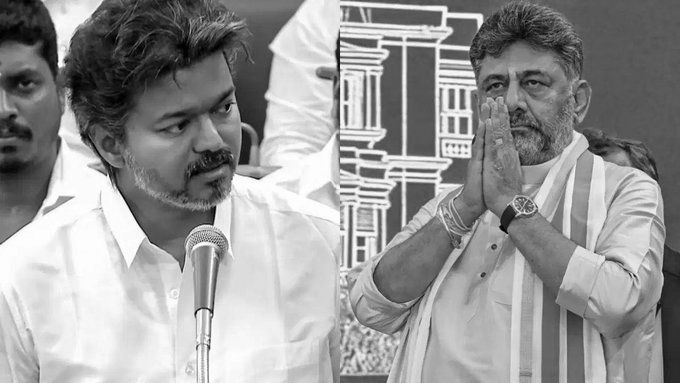
No Compromise on Cauvery Rights, Says Tamil Nadu CM Vijay Amid Karnataka Talks Push
The long-standing Cauvery water dispute between Tamil Nadu and Karnataka has entered a fresh phase, with both states continuing to defend their positions while considering political dialogue as a possible way forward. Tamil Nadu Chief Minister C Joseph Vijay recently said that he was the one who proposed discussions with Karnataka, hoping that negotiations could lead to a positive outcome.
Addressing the Tamil Nadu Assembly, Vijay said his government had no intention of indulging in “cheap politics” over the sensitive water-sharing issue. He clarified that while the state would continue to pursue the matter through legal channels, dialogue with Karnataka could be explored to find a mutually acceptable solution.
Responding to Leader of Opposition Udhayanidhi Stalin’s remarks on the Cauvery issue, Vijay highlighted Tamil Nadu’s approach since 1969, saying the state had moved from negotiations to legal action when necessary. He stressed that talks with Karnataka would not mean compromising Tamil Nadu’s rights or weakening its legal stand.
Karnataka, meanwhile, has maintained that its decisions on water release are based on the requirements of its farmers, drinking water needs and reservoir levels. The state has argued that it must balance its own water security concerns while adhering to legal frameworks governing the Cauvery river.
The Mekedatu reservoir project remains another major point of disagreement between the two states. Karnataka has supported the project, stating that it would help meet Bengaluru’s drinking water needs and improve water management. Tamil Nadu has opposed the proposal, arguing that it could impact downstream water availability and affect its share of Cauvery waters.
The proposed discussions between the two states are being viewed as a significant political development, as previous attempts at direct engagement have remained limited due to deep-rooted differences. However, both governments continue to face pressure from farmers and political groups to protect their respective interests.
While legal battles over Cauvery allocation continue, the latest outreach signals an attempt to combine dialogue and legal measures in addressing one of India’s most persistent inter-state water disputes.