
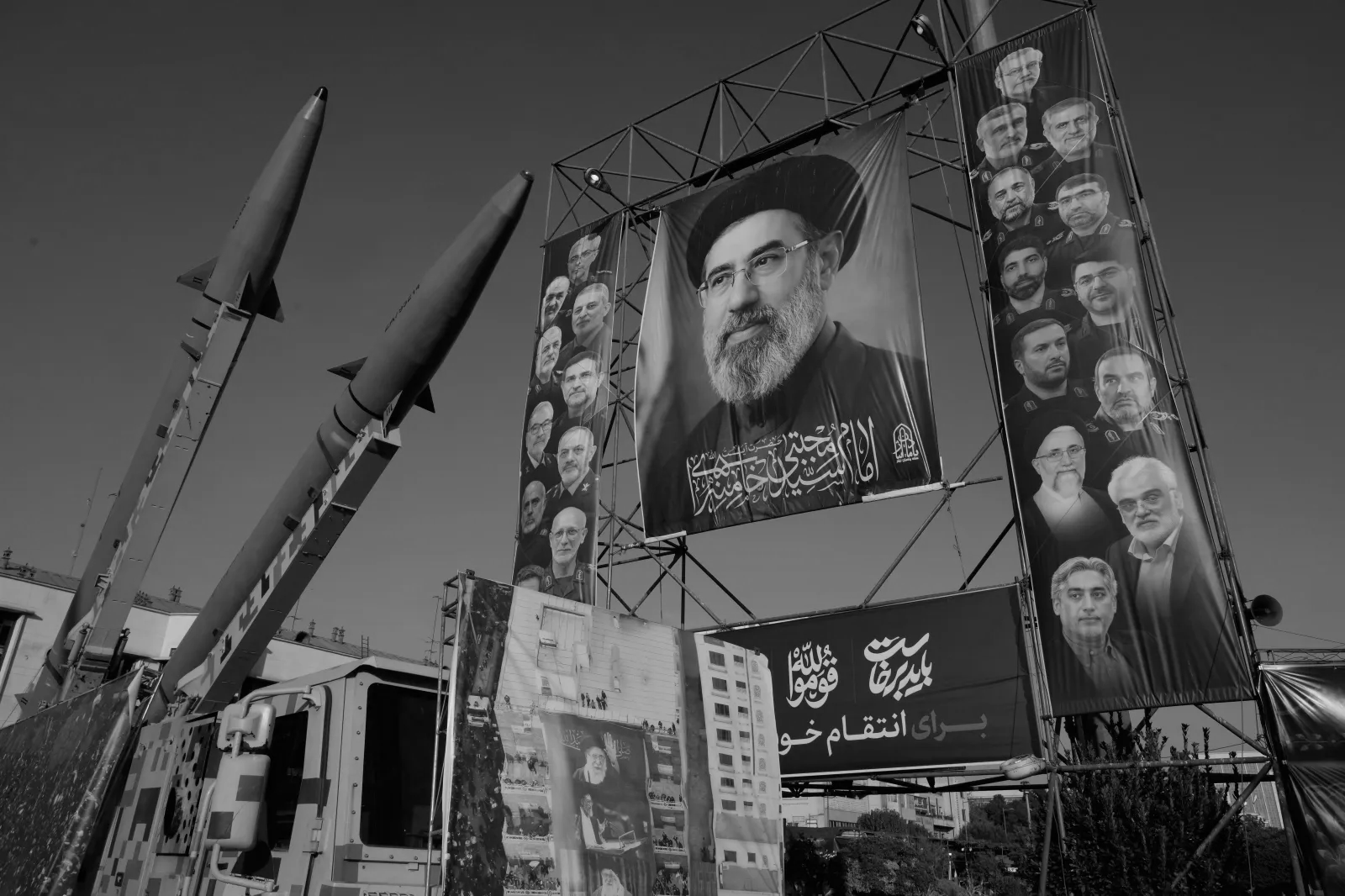
No Geographic Restrictions: Mojtaba Khamenei Orders Iran Military To Prepare For Any US-Israel Attack
Iran’s Supreme Leader Mojtaba Khamenei has ordered the armed forces to deliver an “immediate, impactful and geographically unrestricted response” to any renewed US or Israeli attack, as tensions escalate across the Middle East despite diplomatic efforts to prevent another round of fighting.
In a statement issued on Saturday, Khamenei said Iran would determine the timing and conditions for ending any renewed military or terrorist attacks. He directed commanders to update their target lists to include all tangible and intangible assets belonging to the “American-Zionist enemy”.
Iranian army spokesman Mohammad Akraminia warned that fresh US intervention under pressure from Israel could engulf a much wider region. Foreign Minister Abbas Araghchi also cautioned that Iran’s armed forces would respond to threats. Iran’s Revolutionary Guards claimed four oil tankers caught fire or exploded after using unauthorised routes, including a supertanker allegedly carrying more than two million barrels of crude that struck a naval mine. The claims could not be independently verified. Separately, maritime authorities reported tanker incidents, while Oman rescued 25 crew members from a Panama-flagged vessel hit off Musandam.
Meanwhile, Qatar and Pakistan are mediating between Washington and Tehran. US Vice President JD Vance reportedly sent a letter to Iranian security chief Mohsen Rezaei seeking to restart negotiations. Araghchi called the outreach a positive step, although Tehran has not committed to direct talks. Qatar’s delegation held more than 12 hours of discussions in Tehran before continuing consultations in Doha.
Pakistan’s military spokesperson Ahmed Sharif Chaudhry expressed cautious optimism following Army Chief Asim Munir’s visits to Iran. Munir’s latest trip included Saudi Defence Minister Prince Khalid bin Salman and Turkish intelligence chief Ibrahim Kalin.
Reported peace proposals include transferring Iran’s enriched uranium stockpile to a third country or reducing enrichment, reopening Hormuz within seven days and lifting US sanctions and the blockade. China has reportedly been considered as a possible guarantor. Tehran has also sought the unfreezing of assets.
US President Donald Trump has said the war could end soon but insists on guarantees that Iran will never acquire nuclear weapons. Reports of possible renewed US strikes after the November 3 midterm elections remain unconfirmed. Egypt’s Foreign Minister Badr Abdelatty warned that another round of fighting would be more destructive and achieve nothing.
Saudi Arabia reported intercepting drones over Riyadh and its oil-rich Eastern Region, as well as a Houthi-launched drone towards its southern region. The Saudi-led coalition also accused the Houthis of targeting Medina, a claim the group denied. Houthi attacks have threatened Saudi energy infrastructure, airports and shipping.
A Wall Street Journal investigation identified 274 damaged structures across 24 US military installations. Pentagon estimates put the damage at least $5 billion, with a separate estimate reaching $15 billion. Rebuilding structures alone could cost more than $4 billion, according to the Center for Strategic and International Studies. An Associated Press analysis separately identified more than 115 strikes affecting 26 US bases and sites.