
‘Not a Single Drop More’: Karnataka Defends Mekedatu Project Amid Tamil Nadu Opposition
Karnataka Water Resources Minister Ramalinga Reddy on Saturday said the state was seeking only its allocated share of Cauvery water and not “even a single drop” more from Tamil Nadu. His remarks came after the Tamil Nadu government reiterated its opposition to the proposed Mekedatu Balancing Reservoir project .
Reddy said Karnataka was open to resolving the dispute through dialogue and discussions with Tamil Nadu. He stressed that the state only wanted the water allotted to it under existing arrangements.
Defending the Mekedatu project, the minister said the reservoir would benefit farmers in both Karnataka and Tamil Nadu by enabling better water storage and regulated releases during dry periods. He argued that if the dam had already been constructed, stored water could have been released to Tamil Nadu despite poor rainfall, helping farmers and meeting drinking water needs.
Calling Mekedatu a storage dam and not an irrigation project , Reddy said the project would provide 4.75 TMC of drinking water to Bengaluru and generate around 400 MW of electricity . He added that Karnataka’s Detailed Project Report (DPR) had been submitted to the Cauvery Water Regulation Commission and modifications suggested by the panel were being incorporated.
On the current water situation, Reddy said Karnataka’s Cauvery-linked reservoirs had limited storage, with around 16 TMC of water available, 11 TMC in Krishnaraja Sagar (KRS) and 5 TMC in Kabini. After accounting for drinking water requirements and maintaining river flow, only about 3 TMC remained available , he said.
Responding to Tamil Nadu’s continued opposition, including legal challenges and an Assembly resolution against the project, Reddy urged both states to resolve the matter through discussions instead of prolonged court battles.
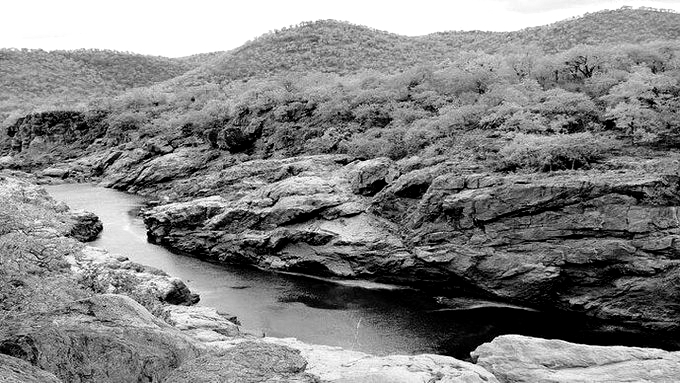
The proposed Mekedatu reservoir , planned on the Cauvery River near its confluence with the Arkavathi River in Ramanagara district, remains a major point of contention between the two neighbouring states.