
Nvidia Spy Scandal Intensifies US-China AI Battle Ahead of Trump-Xi Summit
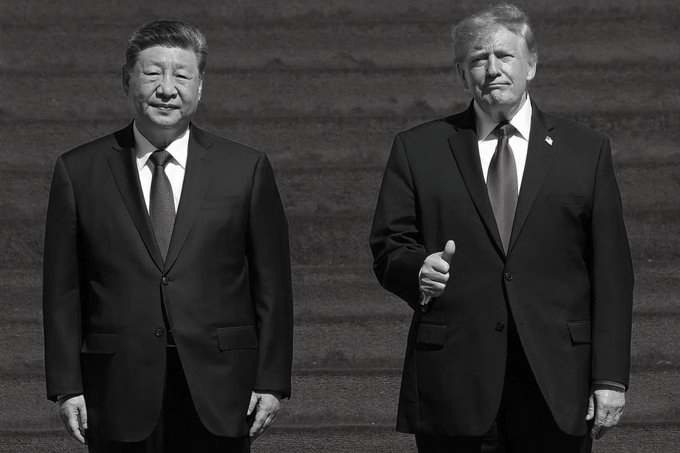
The controversy surrounding Nvidia chief Jensen Huang and an alleged Chinese spy is adding fresh tensions to the US-China technology rivalry, with American lawmakers demanding tighter restrictions on advanced chip exports ahead of President Donald Trump's meeting with Chinese President Xi Jinping next week.
The controversy centres on reports that Huang was involved in a relationship with Alice Huang, a former executive at Singapore-based cloud computing company Megaspeed. US officials reportedly suspect she was recruited by Chinese intelligence to influence Nvidia into making its advanced chips more accessible to China. Beijing has rejected the allegations as unsubstantiated.
Several Democratic lawmakers have written to Commerce Secretary Howard Lutnick, seeking details of what officials knew and demanding an immediate halt to advanced AI chip exports to China. Lawmakers from both parties are also backing tougher safeguards.
The Senate version of a defence policy bill proposes allowing Congress to review export licences, tracking AI chips to prevent their diversion and requiring US allies to follow similar restrictions.
Nvidia once commanded around 95 per cent of China's AI chip market, but its sales have plunged following restrictions introduced during the Biden administration. After Huang lobbied Washington, Trump approved limited exports of Nvidia's advanced H200 chips to China earlier this year. However, the company has shipped only small quantities.
Chinese Foreign Ministry spokesperson Mao Ning accused Washington of using fabricated spy allegations as a pretext for further technology restrictions.
Trump is not expected to raise the controversy directly with Xi. However, the dispute could complicate discussions on AI safety, including a proposed hotline for national security-related incidents.
While US companies rely on cutting-edge chips and expanding data centres, China is promoting affordable open-source AI models and developing domestic alternatives. Companies such as Huawei are combining less advanced chips to narrow the gap, although Nvidia's processors retain an advantage in training advanced AI models.
Analysts believe the controversy could accelerate China's push for semiconductor self-reliance and further complicate global AI cooperation.