
Odisha Plans 870-Acre Silicon Valley Hub for Semiconductor and IT Growth
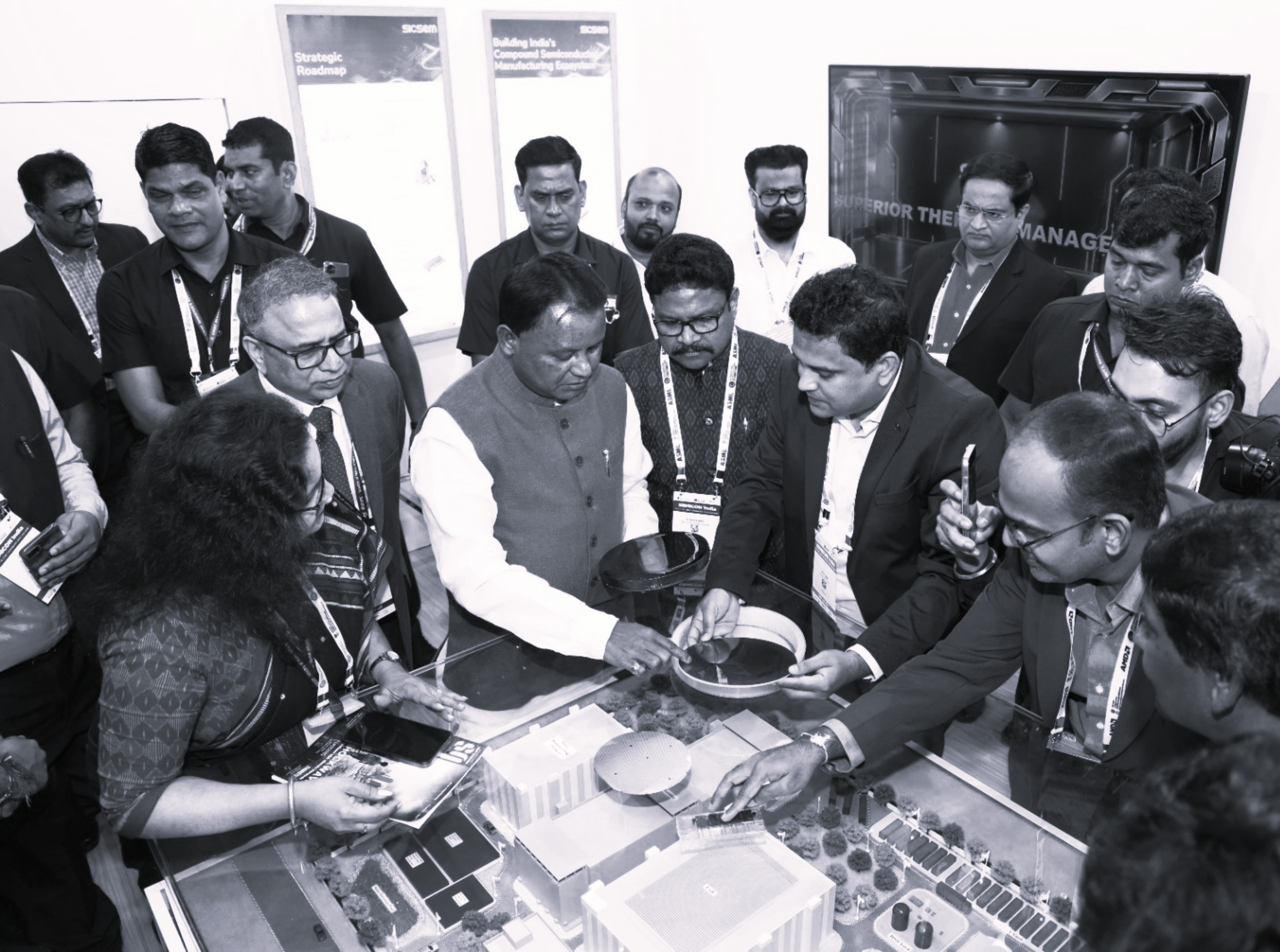
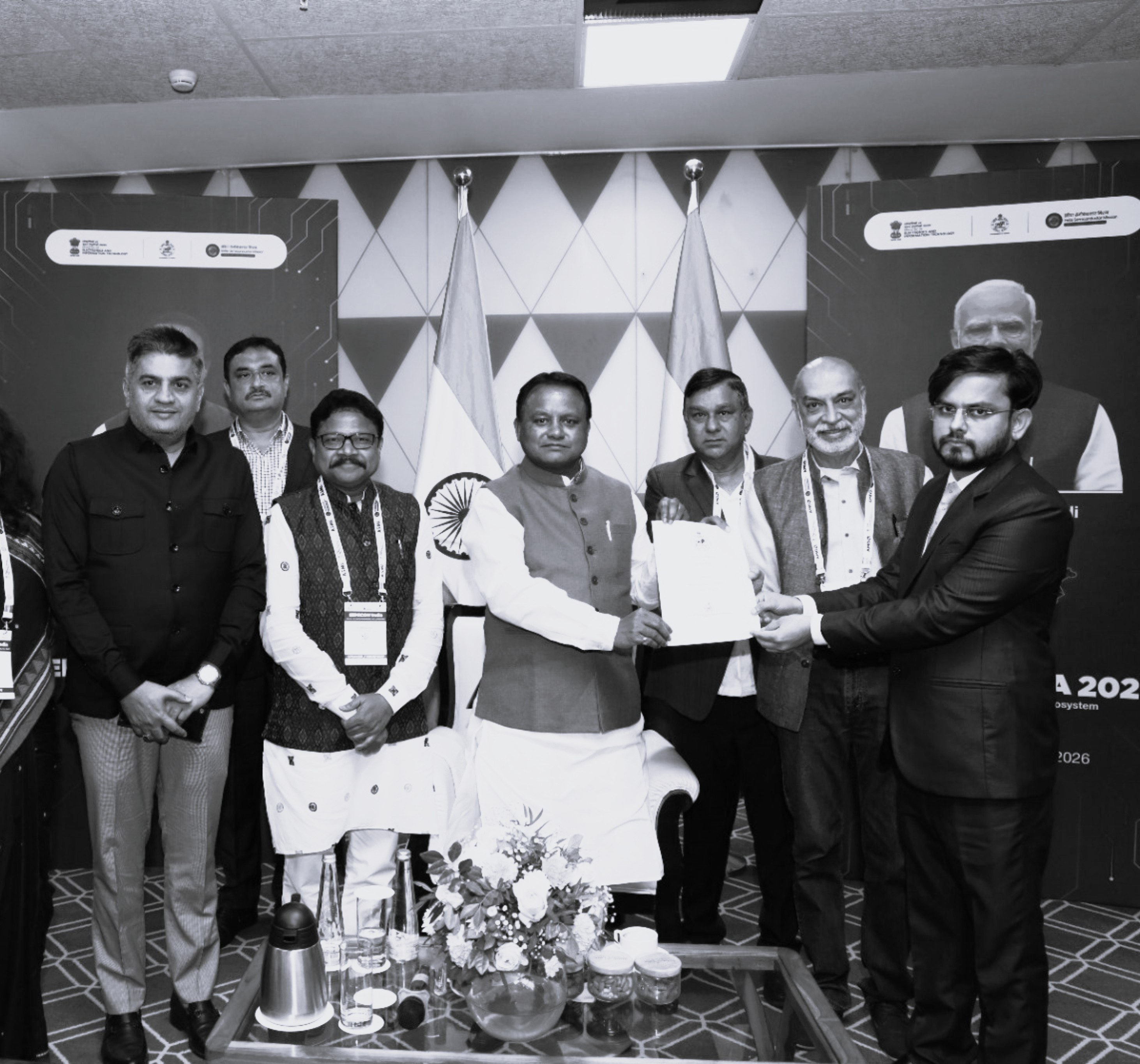
Odisha is stepping up its bid to emerge as a major semiconductor and electronics destination with plans to develop an 870-acre “Odisha Silicon Valley” at Naraj near Cuttack, bringing semiconductor, electronics and information-technology projects together in an integrated technology hub. Chief Minister Mohan Charan Majhi announced the proposed development during SEMICON India 2026 in New Delhi, as the state showcased its expanding semiconductor capabilities and sought fresh investments from global and domestic technology companies.
The announcement comes alongside investment proposals worth approximately ₹23,600 crore, with the potential to generate around 6,100 employment opportunities. The proposals are not completed investments, but indicate the scale of interest generated during Odisha’s participation at the event. Companies including Lam Research, Applied Materials, SiCSem, 3D Glass Solutions, Cyient, Linde and HORIBA India, along with delegations from Japan, Sweden and Taiwan, were engaged as part of the investment outreach.
The proposed Naraj hub is strategically located along the Cuttack-Bhubaneswar urban corridor, with access to national highways and the major ports of Paradip and Dhamra. Its proximity to the Mahanadi River has also been cited as an advantage for industries requiring reliable water supplies. However, semiconductor manufacturing will require advanced water treatment, recycling, uninterrupted power, clean-room infrastructure and stringent environmental systems.
The project builds on Odisha’s semiconductor push around Bhubaneswar and Info Valley. The state’s 2023 Semiconductor Manufacturing and Fabless Policy targeted 100–120 chip-design companies and startups and 5,000–6,000 high-end chip-design jobs over seven years. The state has since secured five semiconductor projects with combined investment of about ₹10,899 crore, spanning silicon-carbide devices, advanced packaging, glass substrates, memory modules and power electronics.
Among them, SiCSem’s ₹3,406.25-crore project at Infovalley-II will manufacture 4.8 million SiC diodes and 91.2 million SiC MOSFETs annually and is expected to employ around 1,270 people. Odisha is also developing 3D Glass Solutions’ ₹1,943.53-crore advanced packaging facility, while a proposed QuadQuantum unit could manufacture silicon-carbide substrate wafers.
The state has expanded its semiconductor policy to cover equipment, specialty gases, chemicals and advanced materials, offering qualifying ISM-backed projects additional support of up to 25% of eligible capital expenditure.
Odisha is also investing in research and skills, including a ₹452-crore integrated power-electronics hub at IIT Bhubaneswar. Electronics and IT Minister Mukesh Mahaling said the objective is to build an ecosystem rather than pursue projects in isolation.
The success of Naraj will ultimately depend on converting proposals into operational facilities while delivering reliable power, water, skilled manpower, logistics and supply-chain infrastructure. The project represents Odisha’s broader effort to move from individual semiconductor investments towards an integrated technology and advanced-manufacturing ecosystem aligned with India’s Semicon 2.0 ambitions.