
Over 20,000 Displaced As Powerful Philippines Earthquake Kills 37, Rescue Operations Continue
Rescue teams continued searching damaged buildings across the southern Philippines on Tuesday after a 7.8-magnitude earthquake struck off the coast of Mindanao, killing at least 37 people , injuring nearly 500 others , and displacing more than 20,000 residents .
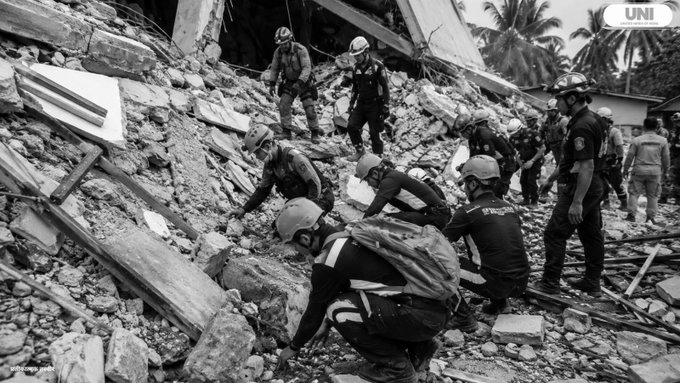
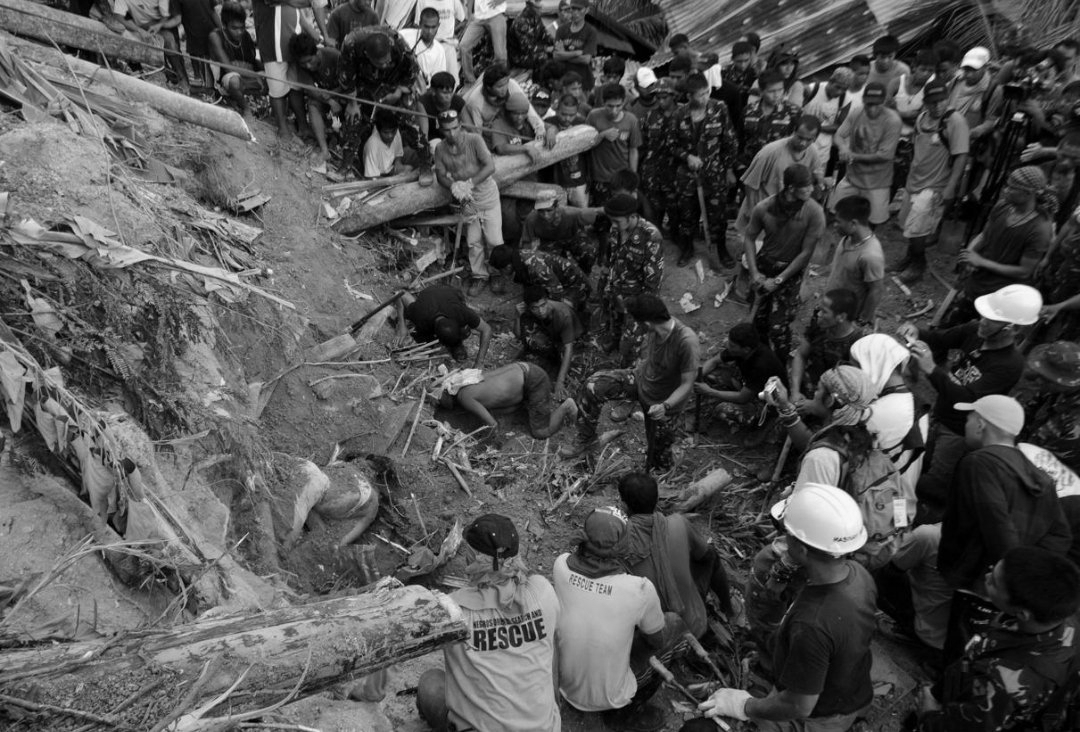
The powerful quake, one of the strongest to hit the country in the past five decades, triggered widespread destruction across several provinces, causing building collapses, landslides, infrastructure damage and mass evacuations. Authorities said only four people remained officially missing, but emergency workers were carrying out thorough inspections of collapsed and heavily damaged structures to ensure that no survivors or victims remained trapped under the rubble.
The humanitarian impact has been significant, with thousands of families forced to leave their homes and seek shelter in evacuation centres. Many residents fled inland following fears of a tsunami after the earthquake struck at sea. While tsunami waves measuring up to 1.4 metres above tide level were recorded, damage from the waves was limited. Officials reported that six stilt houses in a coastal village were damaged, while smaller waves reached parts of Indonesia, Palau and southern Japan.
The worst-hit areas included General Santos City , where at least 13 people died due to collapsed buildings and falling debris. Another 18 deaths were reported in Sarangani Province , most of them caused by a landslide that buried houses in the town of Glan. Additional fatalities were recorded in South Cotabato, Davao Occidental and Balut Island.
According to initial government assessments, around 2,000 houses and 117 government buildings and facilities sustained damage. The destruction also disrupted transportation and education services. General Santos International Airport remained closed, forcing the cancellation of 63 domestic flights, except those involved in humanitarian missions.
Schools were among the most severely affected facilities. Authorities said nearly 6,000 public school buildings in quake-hit areas require structural inspections before classes can resume. The earthquake struck on the first day of the new academic term after a two-month summer break, and many of those injured were students attending morning school activities.
Officials warned that damaged buildings could still collapse because of strong aftershocks, some of which have been powerful enough to pose additional risks. As a result, authorities have delayed the reopening of schools and restricted access to unsafe structures until detailed safety assessments are completed.
Rescue and relief efforts have intensified across the affected region. Emergency personnel have been deployed to search damaged buildings, assist displaced families and deliver food, water and other essential supplies. Authorities are also working to restore electricity and water services in affected communities and assess the condition of roads, bridges, hospitals and public facilities.
President Ferdinand Marcos Jr. has deployed senior disaster-management and defence officials to oversee relief and recovery operations. The government has begun distributing thousands of food packs and construction materials to affected families.
International support has also begun to emerge. The United States, France, Japan and New Zealand have expressed readiness to assist Philippine authorities as recovery efforts continue.
The earthquake was triggered by movement along the Cotabato Trench , an undersea fault system. It was the strongest earthquake to strike the Philippines since a devastating 1976 quake and tsunami that killed about 8,000 people, highlighting the country's continued vulnerability to major natural disasters.