
Over 29 Lakh Pilgrims Visit Char Dham In 44 Days As Dhami Orders Crowd SOP
The annual Char Dham Yatra in Uttarakhand has recorded a sharp rise in pilgrim turnout this year, with more than 29.85 lakh devotees visiting the four Himalayan shrines during the first 44 days of the pilgrimage season. The figure is over three lakh higher than the approximately 26.34 lakh pilgrims who undertook the Yatra during the corresponding period last year.
The pilgrimage commenced on April 19 with the reopening of the Gangotri and Yamunotri shrines on the occasion of Akshaya Tritiya, while the portals of Kedarnath and Badrinath were opened on April 22 and April 23, respectively.
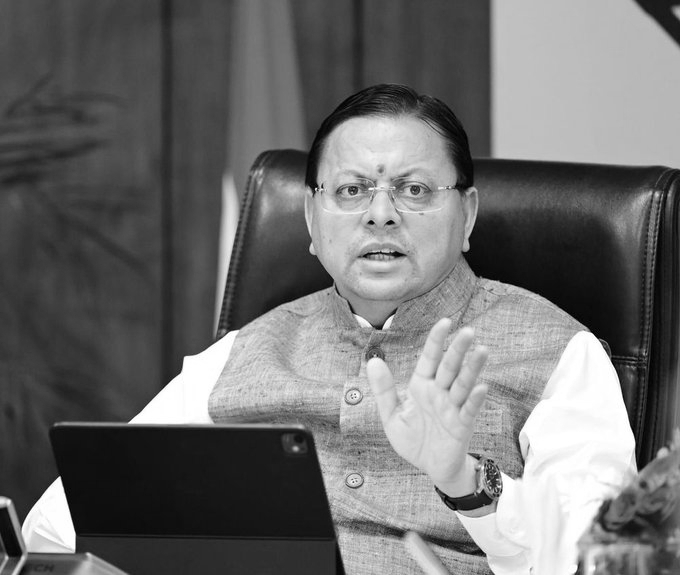
Amid the surge in footfall, Chief Minister Pushkar Singh Dhami has directed officials to strengthen arrangements to ensure safe travel, smooth darshan and continuous communication for pilgrims. During a high-level review meeting, he ordered the preparation of a comprehensive Standard Operating Procedure (SOP) for crowd management at the shrines based on their carrying capacity.
The Chief Minister also directed strict implementation of a night traffic ban from 10 pm to 4 am on Yatra routes, especially in view of the approaching monsoon season. Heavy vehicles transporting essential supplies will be allowed to operate only during the night, while their movement will remain restricted during the day.
Officials have been instructed to regulate pilgrim and vehicle movement through holding areas and checkpoints whenever shrine capacity is reached. Adequate arrangements for parking, food, drinking water, toilets and medical facilities will be ensured at these locations.
The growing number of visitors has also highlighted how managing pilgrimage crowds is becoming a major governance and disaster management challenge . Large gatherings at religious sites require constant coordination among police, transport, health and disaster response agencies to prevent overcrowding and maintain public safety.
Dhami emphasised that the second phase of the Yatra, coinciding with the monsoon, demands a highly alert and scientific approach due to risks such as landslides, flash floods, road blockages and traffic congestion. He directed officials to provide continuous updates on weather conditions, route status and waiting times through public address systems, LED displays and digital platforms to avoid confusion among pilgrims.
To strengthen emergency preparedness, the state government has ordered the deployment of JCBs, Poclain machines, ambulances, satellite phones and rescue equipment at vulnerable locations, while daily reviews of pilgrim feedback and complaints will be conducted to ensure timely corrective action.