
Pakistan-Afghanistan Clash Again After Militant Infiltration Attempt, Kabul Denies Attack
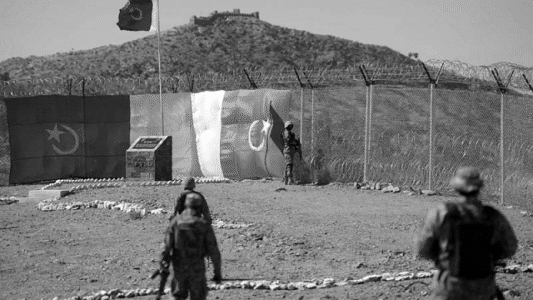
Pakistan and Afghanistan tensions escalated again on Wednesday after Pakistani officials said Afghan Taliban forces shelled Pakistani border posts following a failed militant infiltration attempt, while Kabul denied that its forces had attacked Pakistan.
The latest clash took place after Pakistani security forces foiled an attempt by militants to cross into Kurram district from Afghanistan, according to Pakistani security sources. The infiltrators allegedly approached from areas near Afghan border posts in Paktia and Nangarhar provinces, with Pakistani officials claiming the attempt was carried out under the supervision or support of Afghan Taliban forces.
The militants were identified by Pakistani officials as Fitna-ul-Khawarij, Islamabad's term for the Tehreek-e-Taliban Pakistan (TTP). The TTP is separate from Afghanistan's Taliban but has longstanding ties with the group. Pakistan has repeatedly accused the Taliban government in Kabul of allowing TTP militants to operate from Afghan territory and launch attacks inside Pakistan. Kabul denies the allegations.
Following the failed infiltration attempt, Afghan Taliban forces allegedly opened fire on Pakistani border positions with mortars, heavy weapons and other arms, Pakistani officials said. Pakistan responded with artillery and other weapons, targeting Taliban border posts, mortar positions and defensive sites.
Pakistani security sources said the response forced Afghan Taliban forces to abandon several positions and flee. They also said Pakistani forces remained fully prepared to respond to any further provocation. The claims were made by officials who were not authorised to speak publicly, and could not be independently verified.
Afghan Taliban government spokesman Zabiullah Mujahid denied that Afghan forces had carried out any attack, creating conflicting accounts of what happened along the frontier.
The latest confrontation comes only days after Pakistan carried out airstrikes inside eastern Afghanistan, saying it was targeting militant hideouts. Pakistan said 28 militants were killed, while Afghan authorities said three civilians were killed and four others wounded. The UN mission in Afghanistan confirmed the civilian casualties, and Kabul formally protested the strikes.
Those airstrikes followed deadly attacks against Pakistani security forces. Six Pakistani personnel, including two army officers, were killed in a militant shootout in Hangu, near the Afghan border. Days earlier, a suicide bomber attacked a mosque inside a police compound in nearby Kohat, followed by an assault by eight gunmen that triggered a 20-hour gunbattle. At least 21 people were initially reported killed, most of them police officers, while more than 100 were wounded. Later Pakistani reporting put the Kohat death toll at 25.
Pakistan has warned Kabul that it expects credible and sustained action against militant networks operating from Afghan soil. At the UN General Assembly in New York, Pakistani Foreign Minister Ishaq Dar also raised concerns over what he described as more than two dozen anti-Pakistani militant groups operating in Afghanistan.
The renewed violence also threatens diplomatic efforts involving China, Türkiye, Qatar and Saudi Arabia. Pakistan has previously said regional mediation efforts have struggled because Kabul has not provided the security assurances Islamabad seeks. Turkish and Qatari security officials also travelled to Kabul last week at Pakistan's request as part of renewed efforts to ease tensions.