
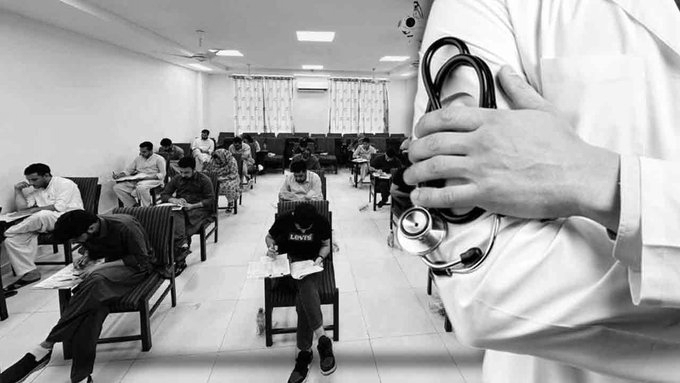
Pakistan Orders Medical Colleges To Send Afghan Students Home, Halts New Admissions
Pakistan has ordered medical and dental institutions to stop admitting Afghan students and directed those already enrolled to return to Afghanistan, as tensions between Islamabad and Kabul continue to worsen.
The Pakistan Medical and Dental Council (PMDC), in a September 1 directive, instructed public and private medical and dental institutions to stop admissions, placements, transfers and migrations involving Afghan nationals during the ongoing academic session until further orders.
The directive also asks institutions to complete necessary administrative formalities, including issuing No Objection Certificates (NOCs), to facilitate the departure of Afghan students already enrolled. Institutions failing to comply could face regulatory action.
The move could affect hundreds of Afghan medical and dental students, including those nearing the completion of their degrees. Pakistan has not announced a total number of students affected or provided a general exemption for final year students.
King Edward Medical University (KEMU) in Lahore was among the first institutions to implement the order. A university official said 22 Afghan MBBS students are currently enrolled there and were given 24 hours to complete required legal and administrative procedures.
Fatima Jinnah Medical University in Lahore has also reportedly asked Afghan students to complete departure formalities. Students and rights groups have appealed to Pakistan to allow those already enrolled to finish their degrees.
The decision is particularly concerning for female Afghan students, who face severe restrictions on higher education under Taliban rule. Rights group Amnesty International criticised the move as discriminatory and arbitrary, warning that it could deprive Afghan women of one of their few remaining avenues for higher education and professional careers.
Pakistan's Foreign Office said Afghan students with valid passports and residency documents can continue applying for visa extensions under existing rules. However, Foreign Office spokesperson Sajjad Haider Khan said foreigners without valid passports and visas are considered illegal residents under Pakistan's Illegal Foreigners Repatriation Plan and may face deportation.
The decision comes amid worsening Pakistan Afghanistan ties. Islamabad accuses the Taliban administration of allowing Tehreek e Taliban Pakistan (TTP) militants to operate from Afghan territory, a charge Kabul denies.
Pakistan has also intensified its wider deportation campaign against Afghans. Authorities began a major crackdown in 2023 and revived it last year. More than one million Afghan nationals were deported from Pakistan during 2025, according to figures cited in reports.