
Palle Panduga 3.0: AP Launches ₹11,085 Crore Rural Development Works
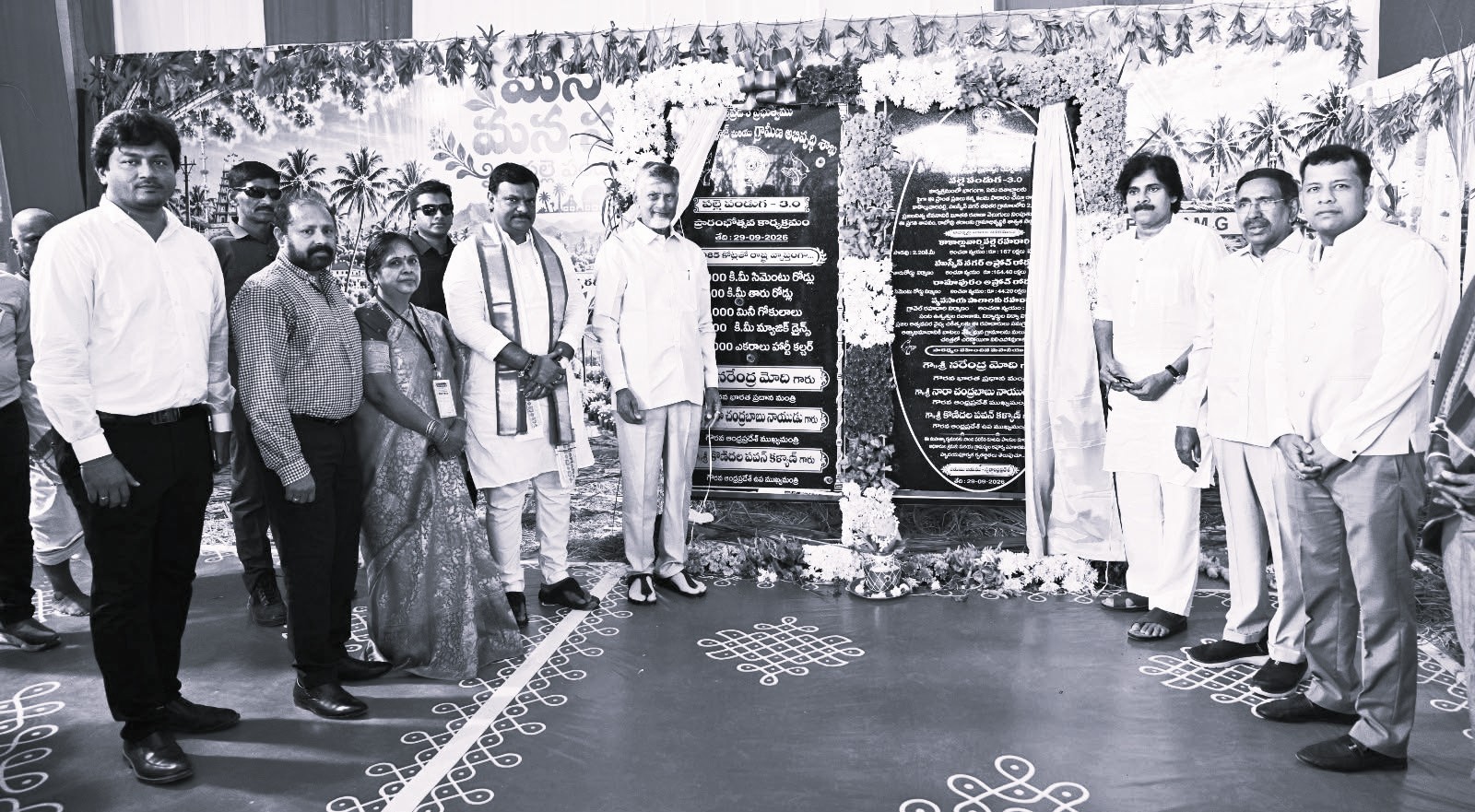
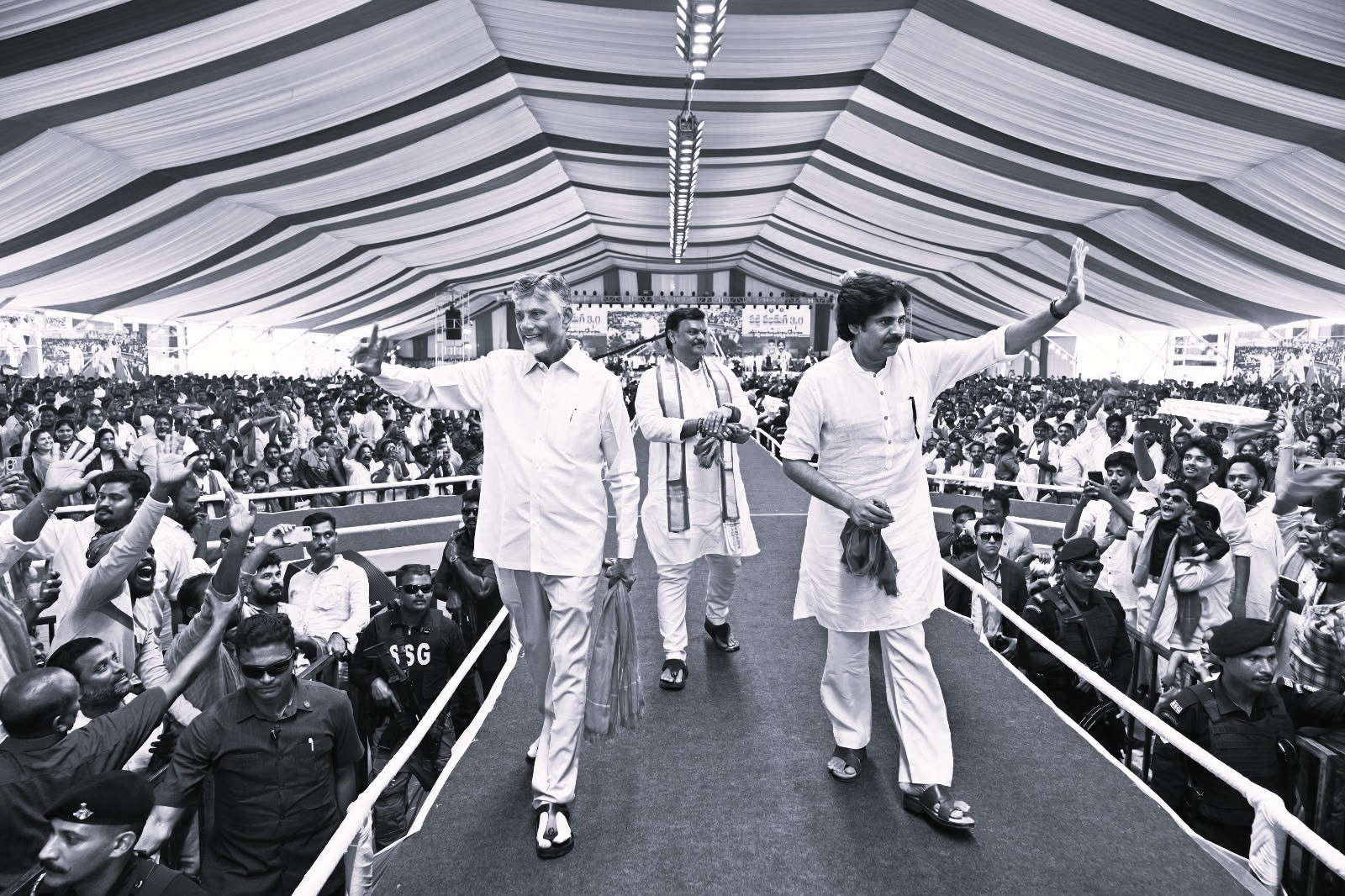
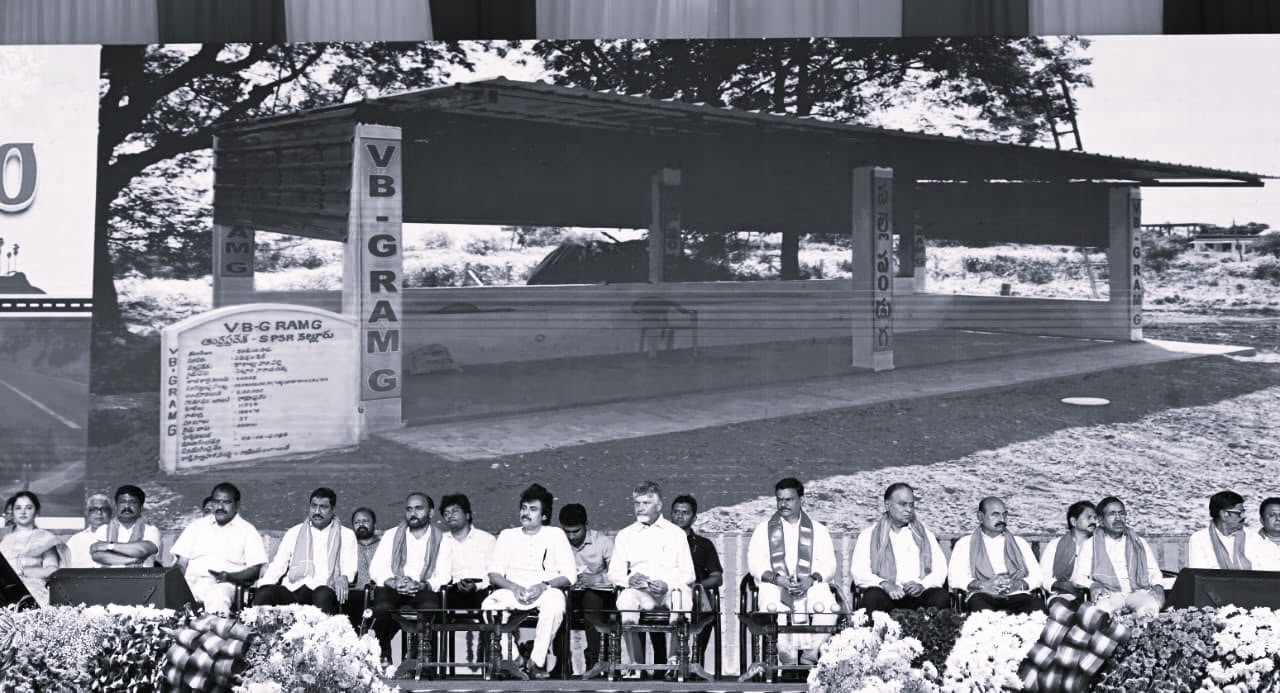
Andhra Pradesh Chief Minister N. Chandrababu Naidu and Deputy Chief Minister K. Pawan Kalyan on Tuesday launched Palle Panduga 3.0 at Udayagiri in Nellore district, initiating development works worth ₹11,085 crore aimed at strengthening rural infrastructure and improving the quality of life in villages. The programme covers roads, drinking water, agriculture, livestock, sanitation, horticulture, tourism and other basic infrastructure.
Speaking at the programme, Chandrababu Naidu said the government was working to strengthen the rural economy and create villages free from poverty. He said efforts were underway to reduce economic disparities and provide households with essential facilities, including housing, electricity and solar power. The government was also promoting waste-to-wealth initiatives as part of its vision for a cleaner and more sustainable Andhra Pradesh.
Road connectivity forms a major component of Palle Panduga 3.0. The government plans to construct around 6,000 km of CC roads at a cost of ₹2,700 crore, besides taking up 9,500 km of BT roads. Naidu said better roads would improve access for students, farmers and rural households. He compared the current pace of construction with the previous government, stating that 880 km of CC roads were built in five years earlier, while the present government had completed around 6,500 km in two years.
The Chief Minister said 13,326 village panchayats had been brought into the development programme through Gram Sabhas. He also highlighted the release of ₹4,136 crore in 15th Finance Commission funds, promotions for more than 10,000 Panchayat Raj employees and the construction of over one lakh farm ponds and livestock water troughs.
Pawan Kalyan said the broader objective was to make villages economically stronger and increasingly self-reliant. He said the first two phases of Palle Panduga had resulted in about ₹9,000 crore worth of works, while the third phase would include mini Gokulams, horticulture plantations, magic drains, bus shelters and Panchayat buildings.
He said more than 30,000 mini Gokulams had already been constructed and highlighted rural connectivity initiatives such as Adivi Tallibata, under which roads are being developed for tribal and remote settlements. The government also plans to improve donka roads used by farmers to transport produce, initially through pilot projects before expanding them across rural constituencies.
Udayagiri received special attention, with projects covering roads, water ponds, cattle shelters and horticulture. Pawan Kalyan announced measures to address the region's fluoride problem, besides plans to develop Udayagiri Fort and its surrounding hill as a heritage and eco-tourism destination.
Naidu also announced funds for irrigation and drinking-water projects, including works linked to the Somashila and Veligonda projects, while outlining plans to develop the Dagadarthi airport region as a logistics hub.
Pawan Kalyan called for public participation and social audits to ensure that development works are completed with transparency and quality. He urged villagers to monitor projects, question deficiencies and bring lapses to officials' attention.