
Papikondalu: Where the Godavari Flows Through the Eastern Ghats
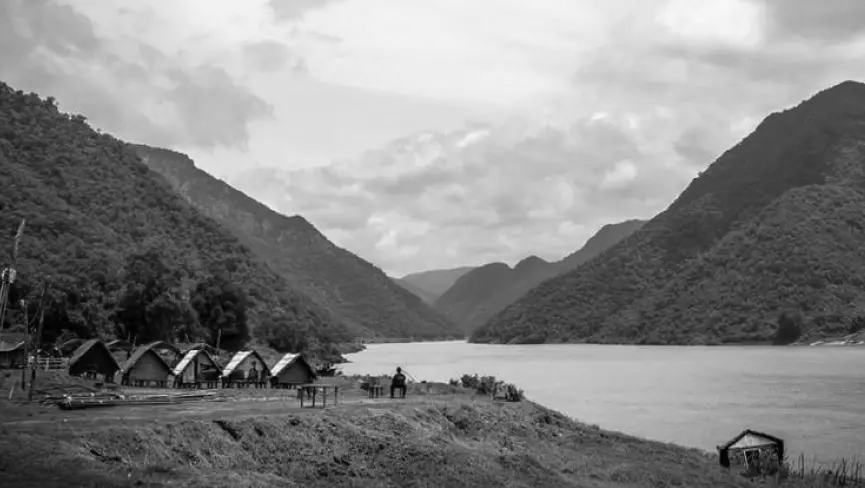
There are places where a journey itself becomes the destination. Papikondalu, where the Godavari winds its way through the Eastern Ghats, is one such place. As the river narrows between towering green hills, the landscape changes with every turn. Forest-covered slopes rise on either side, the water moves quietly through the bends and small settlements appear along the riverbanks, offering glimpses of a way of life closely connected with nature.
Located in Andhra Pradesh, the Papikondalu region is known for the dramatic meeting of river, hills and forests. The Papikonda hill range forms part of the Eastern Ghats, while the Godavari cuts through the hills, creating deep valleys and striking river bends. The region is also associated with Papikonda National Park, a protected landscape spread across about 1,012.86 sq km, with forests extending along both banks of the river.
For visitors from Andhra Pradesh and Telangana, Papikondalu is more than another weekend destination. It brings together a river cruise, forest scenery, tribal culture, religious sites and the slower rhythm of life along the Godavari.
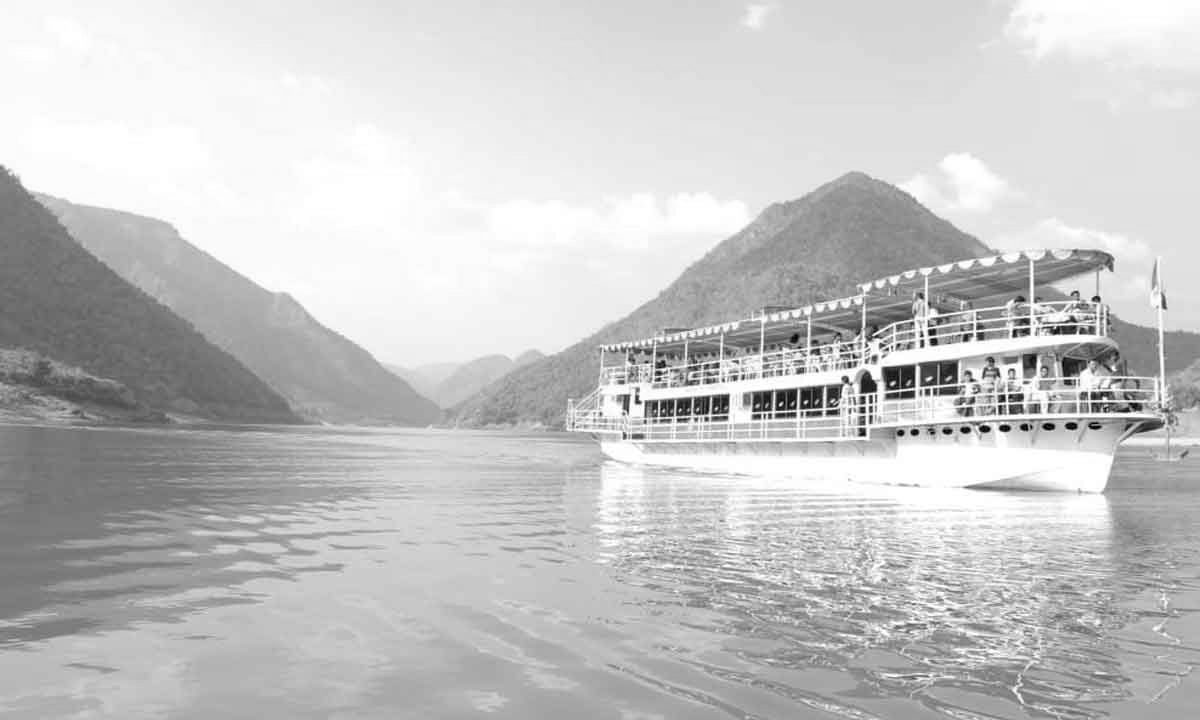
The best way to understand Papikondalu is from the river. A road journey can take visitors close to the hills, but it is a boat ride that reveals how closely the landscape is shaped by the Godavari. The hills appear to rise directly from the river, while the boat moves slowly through stretches where the water seems to become quieter and deeper.
The journey traditionally begins from the Rajamahendravaram side, with tourists travelling by road towards the boat-launching points around Polavaram and Gandipochamma. The Andhra Pradesh government’s East Godavari district tourism information describes organised journeys from Rajamahendravaram to the boating terminal near Gandipochamma, followed by a river journey through the Papikondalu landscape.
The experience is not about reaching a single viewpoint. It is about watching the scenery change gradually. Green hills dominate the horizon, the river reflects the changing light and occasional patches of sand appear along the banks. The sound of the engine gradually becomes part of the landscape, interrupted by birds, wind and the movement of water.
A typical cruise can take several hours, making the journey almost a full-day experience. A 2026 report by The New Indian Express said the Papikondalu cruise was attracting large numbers of visitors and that organised services had expanded during the summer, with boats operating from the Rajamahendravaram side. The report also said packages included road transport, breakfast, lunch, evening tea and snacks.
However, tourists planning a trip need to check the latest operating status before travelling. Boat operations to Papikondalu were reported suspended from July 29, 2026, with authorities citing the need for clear operating procedures and safety conditions on the Godavari. A September 12 report said the reopening of services depended on conditions including river levels and discharge at the Polavaram project.
This is particularly important because the Godavari can change dramatically with the seasons. The river may look calm and inviting, but high water levels during the monsoon can make boat travel hazardous. The official Eluru district tourism page also notes that increased river levels during the rainy season can make boat journeys precarious.
The forests surrounding Papikondalu are another major part of its identity. Papikonda National Park was originally notified as a wildlife sanctuary in 1978 and was later designated a national park in 2008. The park contains moist and dry deciduous forests and supports a wide range of wildlife.
The protected landscape is home to animals such as leopard, sloth bear, wild boar, spotted deer, sambar, barking deer, gaur and different species of monkeys. It also supports a variety of birds and reptiles. The diversity of flora is equally important, with several tree species characteristic of the Eastern Ghats.
For tourists, however, the attraction is not simply the possibility of seeing wildlife. It is the feeling of travelling through a largely forested landscape where the river remains the central thread connecting the hills, villages and settlements.
Papikondalu is also closely associated with the tribal communities who have lived in the surrounding forest and riverine areas for generations. Agriculture, fishing, forest-based livelihoods and handicrafts form part of the traditional economic life of communities in the region. The official tourism information highlights the presence of tribal settlements and their connection with the landscape.
For visitors, this cultural dimension adds another layer to the journey. Tribal traditions, local food, handicrafts and community life provide a glimpse into a way of living that is markedly different from the urban experience. But tourism also brings a responsibility to respect local communities, their customs and their surroundings rather than treating their lives merely as attractions.
The spiritual side of the Papikondalu journey is equally significant. Temples and religious sites along the Godavari have traditionally formed part of river cruises. Gandipochamma Temple, Perantapalli and other places along the route are commonly included in tourist packages. Government tourism information specifically lists Perantapalli among the attractions associated with the Papikondalu journey.
At Perantapalli, the river landscape and the religious atmosphere come together. Visitors can see the temple and surrounding ashram area before continuing their journey. The stop offers a contrast to the open river, giving tourists an opportunity to experience the spiritual traditions that have developed around the Godavari.
Pattiseema is another important location associated with journeys through the region. The landscape around the river offers opportunities for photography, while the changing appearance of the hills throughout the journey makes the cruise particularly attractive to those interested in nature and landscape photography.
The name Papikondalu itself has a strong cultural association. The hills are traditionally described as three prominent ranges resembling a wall across the Godavari. Local belief connects the name with the idea that viewing the folds and curves of the hills has a purifying significance. Such traditions form part of the cultural identity of the region and have helped give Papikondalu a distinctive place in the imagination of visitors.
For tourists, the appeal of Papikondalu also lies in its relative distance from the hurried pace of city life. There are no large urban attractions competing for attention. Instead, the landscape encourages visitors to slow down and observe. A river bend, a forest-covered slope or a small settlement can become the highlight of the journey.
Rajamahendravaram is generally the most convenient base for travellers approaching Papikondalu from the Andhra Pradesh side. The city is well connected by road and rail, while the airport provides another option for visitors travelling from farther away. Official tourism information identifies Rajamahendravaram as the nearest major access point for the Papikondalu region.
Tourists can choose from day-long packages and, depending on availability and permissions, longer journeys that include overnight stays. Current private tour listings show that package prices can vary depending on the route, boat, meals, transport and accommodation. For example, a September 2026 listing showed a one-day Rajamahendravaram–Papikondalu package at around ₹1,100 for adults, while longer packages cost considerably more. Such prices should be treated as indicative rather than fixed, as operators and authorities may revise them.
The timing of a visit is important. The cooler months after the monsoon are generally more comfortable for sightseeing, and the tourism season traditionally becomes busier around Dasara and continues towards Sankranti. But visitors should not assume that a particular season automatically guarantees boat services. River conditions, safety clearances and government permissions can affect operations.
That is why safety should remain central to any Papikondalu trip. Visitors should use authorised services, follow instructions from boat operators and avoid entering the river. They should also avoid throwing plastic or other waste into the water, disturbing wildlife or creating excessive noise in forest areas.
The environmental responsibility is especially important because Papikonda is not simply a scenic backdrop. It is a protected ecological landscape supporting forests, wildlife and communities. The survival of the region's natural character depends partly on how tourism is managed.
Perhaps the most memorable part of Papikondalu is its simplicity. There is no need for an elaborate itinerary to appreciate the place. The slow movement of a boat, the shadow of a hill over the river, a distant bird call and the changing colours of the forest are enough to make the journey memorable.
As the Godavari enters the narrow passages between the hills, Papikondalu reveals why the river has shaped the history, culture and imagination of this part of the country. Here, nature is not a backdrop to tourism; it is the experience itself.
For travellers looking for a break from crowded cities and conventional tourist destinations, Papikondalu offers something different — a journey through river, forest and hill country where every bend brings a new view. But its future as a tourism destination will depend on maintaining a balance between access and conservation, ensuring that the beauty drawing visitors today remains intact for those who travel here tomorrow.