
Pawan Kalyan Stresses People-Centric Democracy, Highlights Coalition Governance Progress in AP
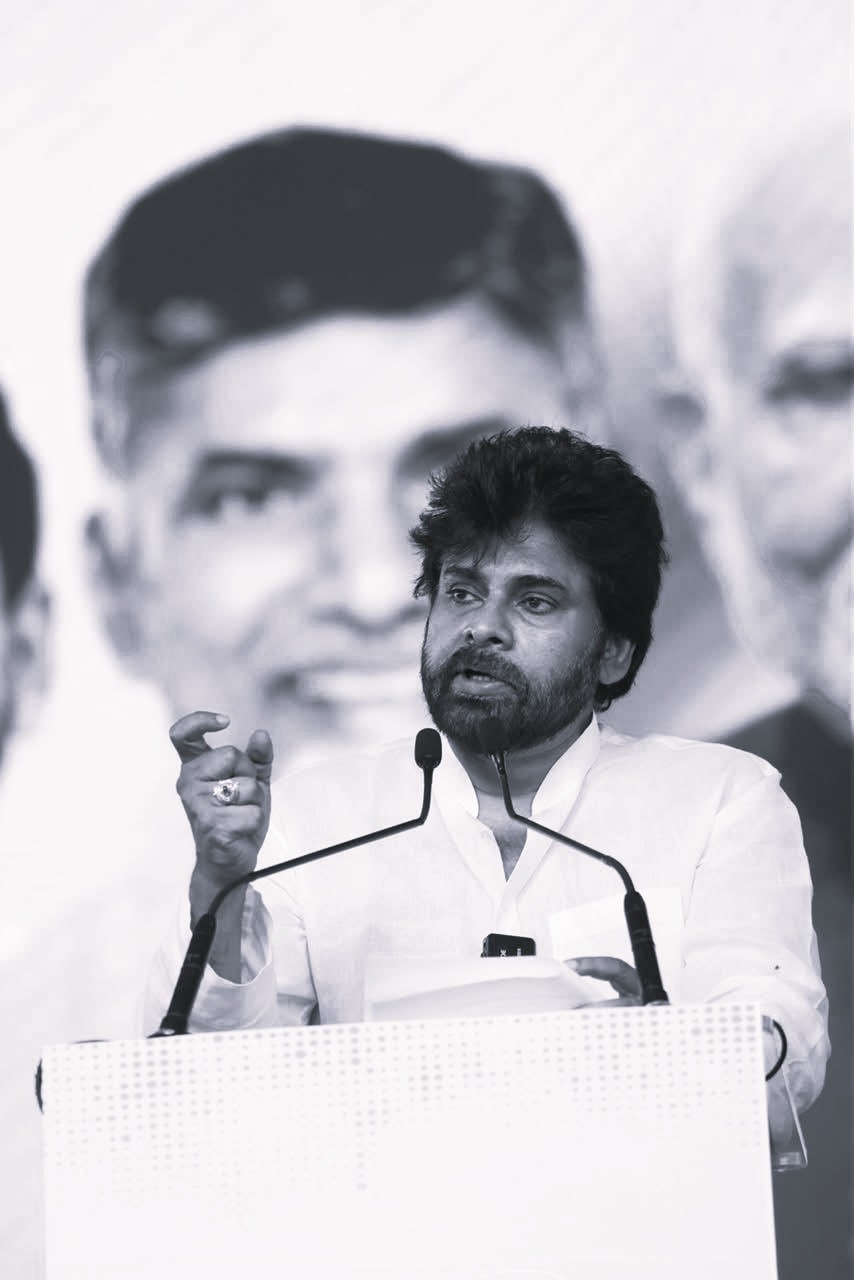
Andhra Pradesh Deputy Chief Minister Pawan Kalyan on Friday said that in a democracy, people remain the ultimate authority , asserting that governance must always reflect public aspirations rather than political arrogance or power-centred rule.
Addressing a public meeting at Daminedu village in Tirupati district marking two years of the TDP-Jana Sena-BJP coalition government , he said the 2024 election verdict was a historic rejection of arrogance, fear-based politics, and non-accountable governance systems , and a clear reaffirmation that public will is supreme in a democracy .
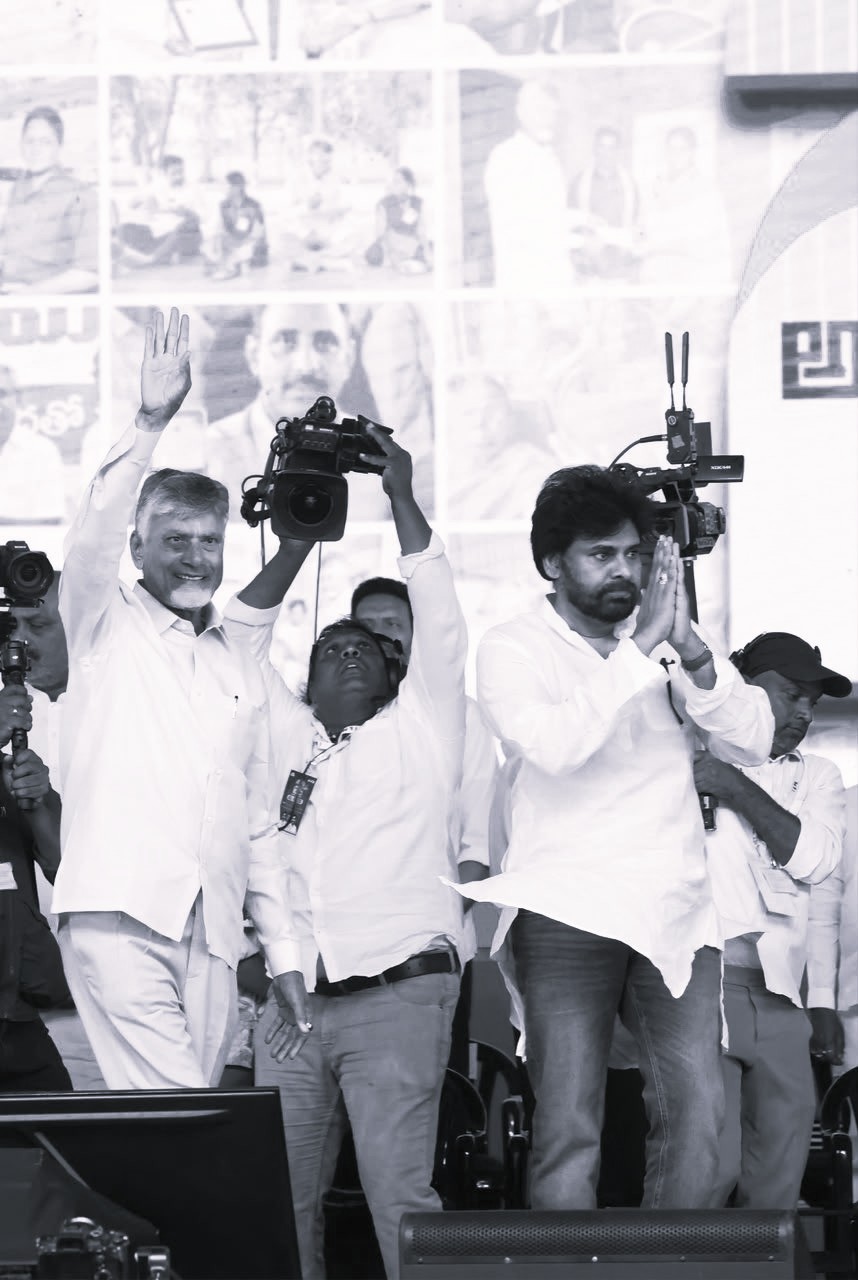
The programme, titled “Two Years of Trust, Development and Welfare,” was attended by Chief Minister N. Chandrababu Naidu along with Union ministers, state leaders, and senior representatives of the alliance. Pawan Kalyan said the coalition came to power with a strong mandate that, according to him, reflects citizens’ expectations for stability, development, and transparent governance .
He credited Prime Minister Narendra Modi’s national leadership vision, Chandrababu Naidu’s administrative experience, and Jana Sena’s commitment to public welfare for shaping Andhra Pradesh’s development direction. He also thanked voters for what he described as a “100% strike rate victory” for Jana Sena, despite contesting a limited number of seats under the alliance arrangement.
Listing governance achievements, he said the government has focused on simultaneous welfare and development , including enhanced old-age pensions, financial assistance for women, free LPG cylinders , free bus travel for women , farmer support schemes such as Annadata Sukhibhava , revival of Anna Canteens, and expanded job opportunities for youth.
A major focus of his speech was strengthening Panchayati Raj institutions , which he described as the foundation of real democracy. He stressed that decentralisation of power is essential, arguing that democracy weakens when authority is concentrated in offices rather than brought closer to citizens. “Real democracy is when decisions are taken in the presence of people, not behind closed doors,” he said.
He added that strong gram sabhas can resolve local issues efficiently and allow legislators to focus on larger developmental priorities such as infrastructure and industrial growth. According to him, the government has conducted gram sabhas across 13,326 panchayats , taking governance directly to village households.
Pawan Kalyan warned that weakening trust in institutions can lead to social fragmentation along caste or regional lines , urging citizens to uphold unity and a shared national identity. He also described Panchayati Raj as a “training ground for leadership,” noting that President Droupadi Murmu began her public life from municipal governance.
He highlighted women’s empowerment through 50% reservations in local bodies and self-help groups, calling it a major step toward grassroots leadership. He also cited the “Swarna Panchayat” initiative , under which digitalisation of village assets has significantly improved revenues in some areas without increasing taxes.
Concluding his address, he said India’s vision of becoming a developed nation by 2047 will not be shaped only in Parliament but through 2.6 lakh panchayats across the country . “Our decisions today must strengthen future generations, not just the next election,” he said.
The event was attended by Union ministers Ram Mohan Naidu and Pemmasani Chandrasekhar, BJP state president Daggubati Purandeswari, state ministers Nara Lokesh and K. Durgesh, along with several other public representatives and a large number of party workers.