
Peace at Last or Just Another Intermission? Iran US Peace Deal Signed Digitally as Israel Pounds Lebanon
After weeks of uncertainty, broken ceasefires, and enough conflicting statements to fill a political satire, the world finally got the announcement it had been waiting for. The United States and Iran have reached a peace deal, with Pakistan's Prime Minister Shehbaz Sharif declaring the immediate and permanent termination of military operations on all fronts, including Lebanon. US Vice President JD Vance confirmed the MOU was already signed digitally on Sunday, with a formal signing ceremony set for Friday, June 19, in Switzerland. Markets exhaled, Brent crude tumbled toward $80 a barrel , and world leaders lined up to applaud. Then Israel bombed Beirut. Because of course it did.
The agreement calls for a 60-day window for nuclear talks, restoration of shipping through the Strait of Hormuz. But what the two sides actually agreed upon remains, in trademark fashion, a matter of passionate dispute. Iran would receive access to over $25 billion in frozen assets, no new US sanctions until a final deal , and a lifting of the naval blockade . In return, Tehran committed to neither producing nor purchasing nuclear weapons and to diluting its highly enriched uranium stockpile, though the exact mechanism for doing so still needs to be worked out.
Iran's state media had its own reading. The draft reportedly calls for suspension of sanctions on Iranian oil and petrochemicals and requires the US and its allies to present reconstruction plans worth at least $300 billion , economic relief that was not even on the table before the war began. On the Strait, Iran insists it will manage reopening through its own arrangements and plans to charge a maritime service fee . Trump, meanwhile, declared on Truth Social that Hormuz will open "toll-free ," adding " Ships of the world, start your engines." Someone is lying.
Iran's missile programme and support for allied armed groups were explicitly excluded from the final agenda. The 60-day nuclear negotiation schedule has no clear timeline. Iran's uranium enrichment aspirations remain alive. This is a deal that resolves less than it postpones.
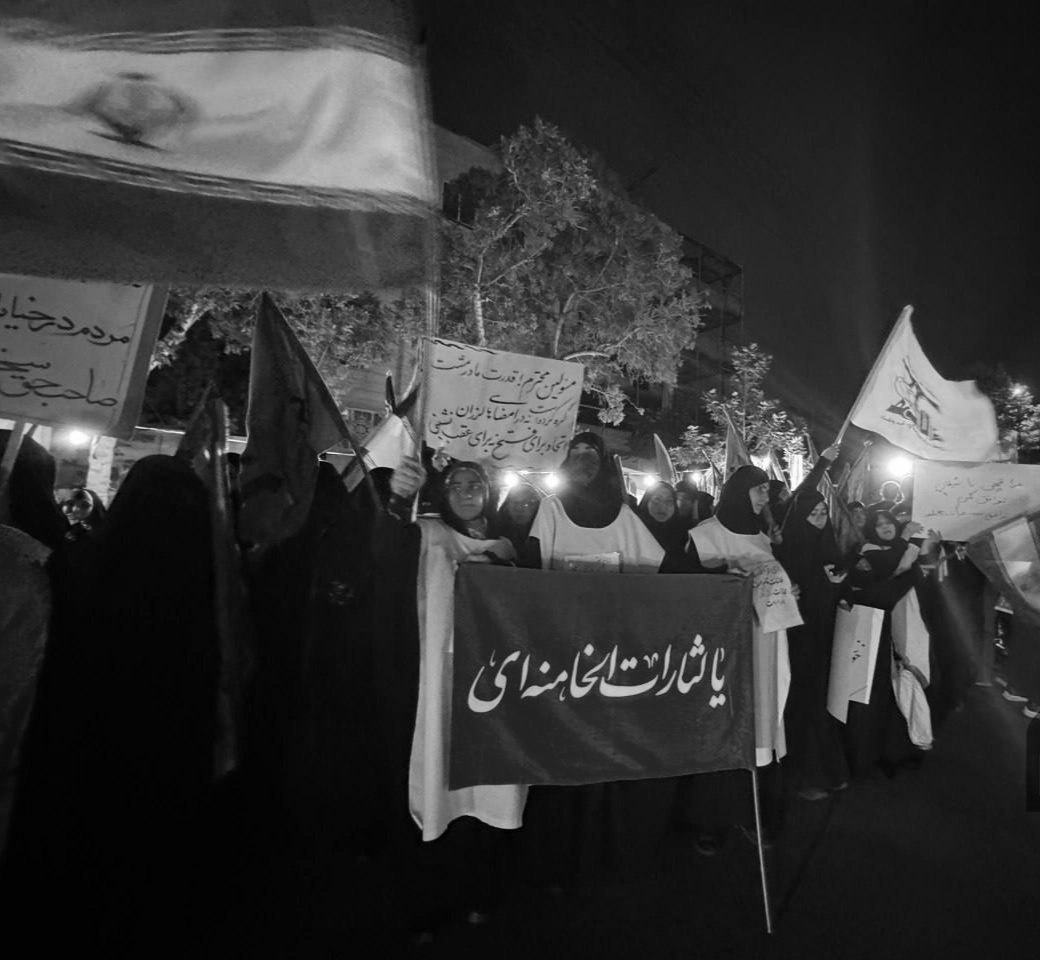
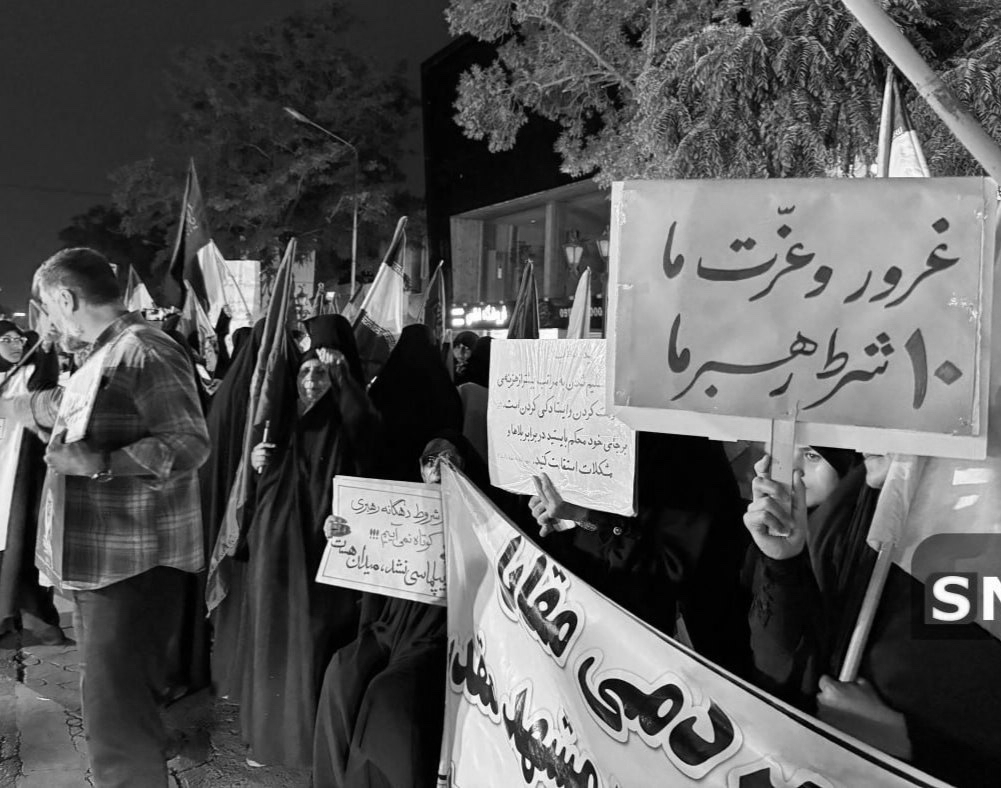
Iran's hardliners are incandescent. In Mashhad, women in black chadors gathered outside the foreign ministry chanting " death to dishonorable Araghchi, the infiltrator ," waving red and black flags in fury at Iran's chief negotiator. Basij militia members marched to the foreign ministry in the dead of night to oppose the decision, while a gigantic banner reading " The Strait of Hormuz will remain closed ". The hardline Paydari Front launched a "We Will Not Accept" hashtag and mounted protests outside foreign ministry offices across cities. Iran's military, meanwhile, declared it had humiliated both the United States and Israel , a claim that, diplomatically at least, is not entirely without foundation.
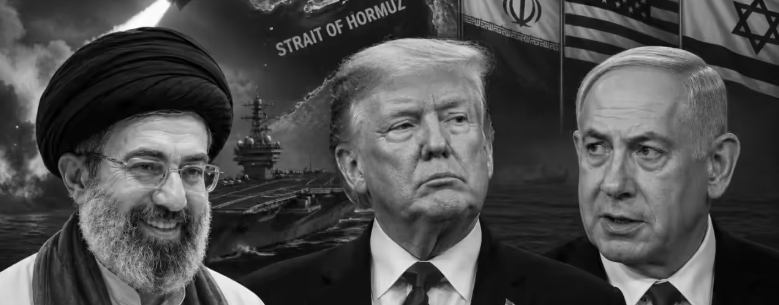
So who actually won? Iran entered this war with its supreme leader killed in the opening strike, its nuclear facilities bombed, and its economy shattered. It exits with massive economic relief secured, its missile programme untouched, Hormuz control intact, and enrichment discussions merely deferred. Israel "won't have any choice" but to accept any potential deal, Trump said. Referring to Israeli Prime Minister Benjamin Netanyahu, he added: "He should be very thankful to us for doing this. Because if Iran had a nuclear weapon, Israel wouldn't be around for two hours," Trump told the New York Times. The man who once demanded Iran's "unconditional surrender" ultimately signed a deal that Iran's own foreign minister publicly celebrated.
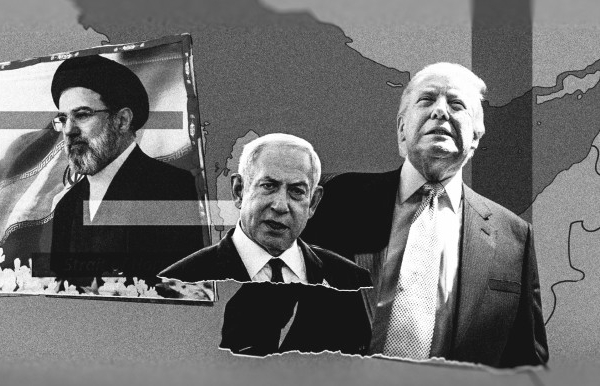
Then there is Netanyahu, the prime minister who dragged Washington into a conflict and was then openly humiliated by it. Trump told Axios that Netanyahu " has no fing judgment" and said Israel "should be very thankful" to the US. In response, Israeli ministers declared Israel will not be bound by the Iran agreement , and Defence Minister Katz vowed Israel is staying in south Lebanon. Netanyahu held a press conference tonight in Jerusalem, his first in months and did exactly what everyone expected: rejected the deal's application to Lebanon and promised to keep fighting Hezbollah. G7 leaders are meeting in France to discuss the long-term reopening of the Strait.
And now the part that never gets enough attention, the price paid by those who had nothing to do with any of this. India never fired a shot. India took no side. India paid anyway . Indian sailors detained in Iran earlier described their ordeal: "Every moment felt close to death," said the ship's chief engineer.
World leaders were generous in their praise. UK PM Keir Starmer called the deal "hugely important" and demanded toll-free Hormuz navigation. Macron called for its "urgent and unconditional reopening." Saudi Arabia welcomed the deal and praised the mediators' efforts. UN Secretary-General Guterres called it "a critical step. India's Modi , who had consistently called for dialogue, welcomed the breakthrough. The Indian vessel MV Disha became one of the first ships to transit Hormuz safely , a moment of quiet relief for a nation that spent months paying someone else's war bill.
What emerged looks far more like a pause button than a peace treaty. Beirut was not informed about the deal and said it had heard these words before. Lebanon remains under Israeli bombardment.