
Peace on Pause: Ink Barely Dry, Lebanon Bloodshed Stalls US-Iran Talks, Khamenei Resurfaces, Vance Vanishes
It took less than two days for the celebrated Versailles memorandum to hit its first wall. The much-hyped follow-up negotiations between Washington and Tehran, due to open Friday at the Burgenstock resort above Lake Lucerne, were postponed before they began, collateral damage of a fresh round of bloodletting between Israel and Hezbollah in southern Lebanon that left dozens dead and cast immediate doubt over whether the fragile truce can survive its first real test.
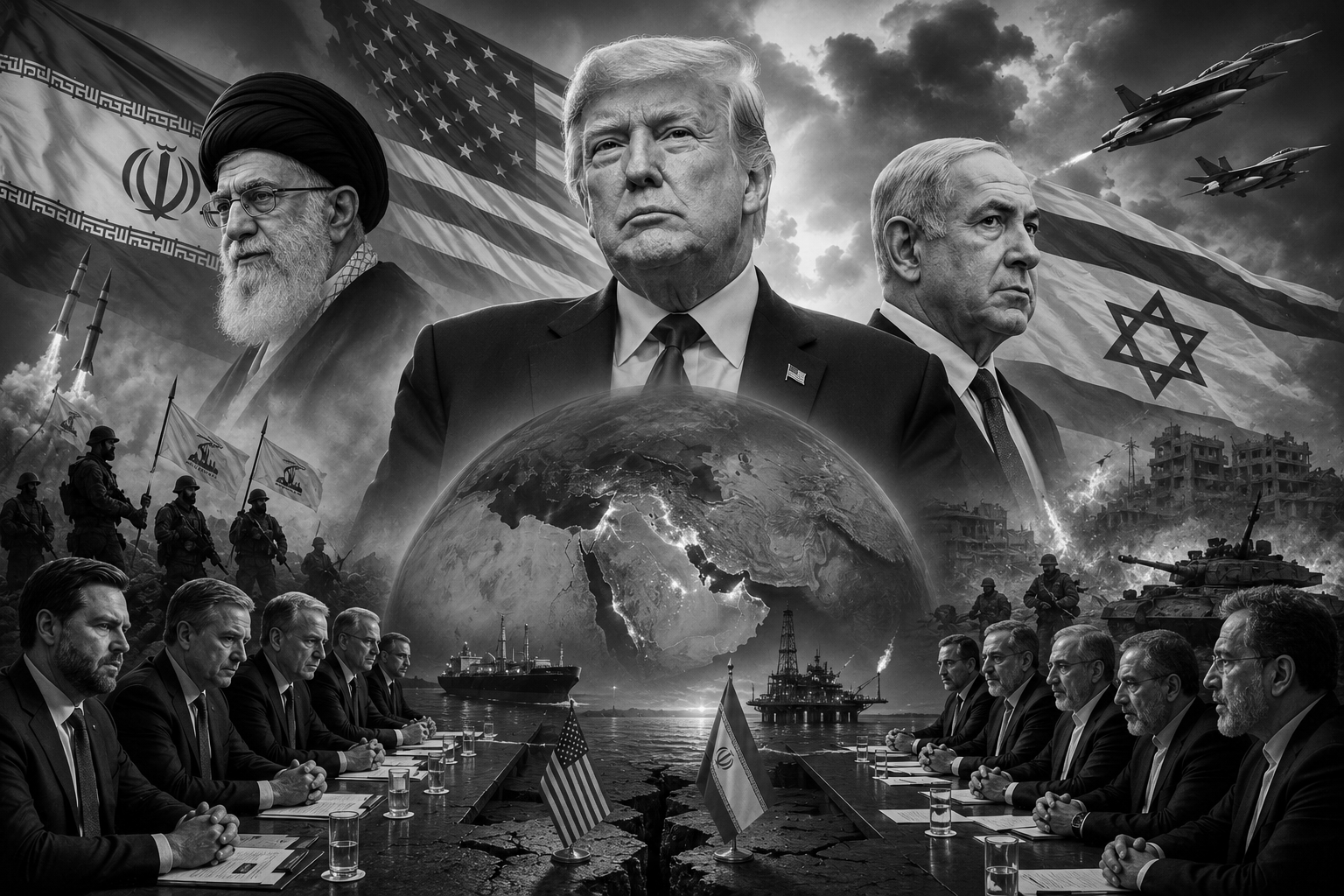
The Swiss Foreign Ministry confirmed early Friday that the talks would not go ahead, though preparatory work at the venue continued "without providing a new date." Vice President JD Vance , who had been due to lead the American delegation, scrapped his trip, with the White House citing "difficult logistics." Iranian officials told a different story: a diplomatic source said the cancellation actually stemmed from a dispute over a specific Lebanon-related clause in the agreement itself, with Tehran refusing to send its delegation until Israel's offensive there stopped, arguing Israel's strikes already violated the ceasefire the new deal was meant to lock in. Two regional officials said Pakistan , which brokered the original memorandum and had separately postponed its own ceremonial signing trip to Switzerland once the pact was signed bilaterally, was left "stunned" by Iran's last-minute pullback.
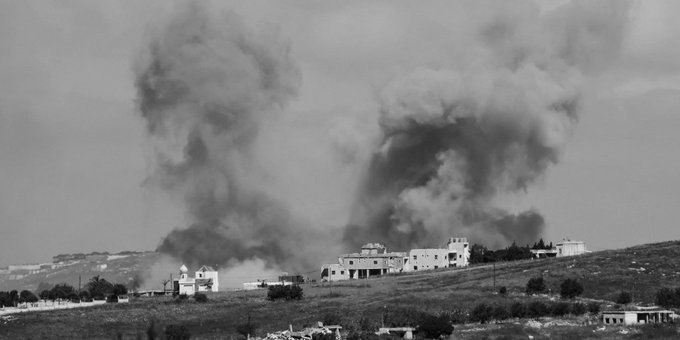
The flashpoint was brutal even by the standards of this war. Israel's military said four soldiers , including a battalion commander, were killed when a tank was struck near Nabatiyeh , with five more wounded in a drone attack. Israel responded with strikes across southern Lebanon and into the Beqaa Valley , hitting what it called "Hezbollah infrastructure." Lebanese authorities put the death toll from the overnight and daytime strikes at well over a dozen , with one resident describing the exodus from border villages as "lawless."
By Friday afternoon, mediators, with Qatar and Iran both involved, had pulled together an emergency truce between Israel and Hezbollah, which a senior US official said took effect around 4 p.m. local time. But the episode exposed the central weakness diplomats had flagged from the outset: neither Israel nor Hezbollah actually signed the US-Iran memorandum, yet the document's success depends entirely on both staying quiet. Israeli Prime Minister Benjamin Netanyahu made clear Thursday that troops would hold their "security zone" in southern Lebanon "as long as Israel's security needs require it", a position Tehran has signaled it will not simply absorb.
Away from Lebanon, the deal's economic terms moved forward, though not as cleanly as the White House suggests. Vance confirmed more than 12.5 million barrels of oil cleared the Strait of Hormuz on Wednesday night alone, and US Central Command formally lifted its naval blockade, though warships are staying in the area to "make sure all aspects of the agreement are adhered to." But the strait's main central shipping channel remains closed , an estimated 80 mines still need clearing, according to tanker-industry group Intertanko , and traffic so far is moving only through the narrower northern route, through Iranian waters, and the southern route, through Omani waters. Lloyd's List estimates some 550 merchant vessels , including 160 tankers, are now queued to exit the Gulf once the central route reopens, a process expected to take weeks or months. Iran's newly created strait authority, meanwhile, quietly told ships to start registering with it, a sign Tehran intends to begin charging for passage once normal flow resumes. Adding to the unease, Trump himself undercut the deal's non-aggression terms on the day he signed it, warning Tehran "we're going to bomb the hell out of you" if it failed to comply, a threat that sits awkwardly against a memorandum that explicitly bars either side from invoking force while it is in effect.
The political temperature in Tehran shifted too. Supreme Leader Ayatollah Mojtaba Khamenei , unseen publicly since being wounded in an early strike, issued his first comment on the deal, cautiously endorsing direct talks while insisting they would not mean "accepting the enemy's opinion", a notable break from his predecessor's longstanding refusal of face-to-face US contact.
In Washington, Vance spent Thursday publicly defending the arrangement's "dial up, dial down" logic on sanctions relief, while taking an unusually blunt swipe at Israeli hardliners who say they won't be bound by the agreement. He also rejected criticism that the rollout had been chaotic, even as Republicans on Capitol Hill voiced unease over the deal's $300 billion reconstruction fund and the absence of a hard deadline.
Even with Friday's talks scrapped, the nuclear track had already produced its first concrete movement. Trump envoy Steve Witkoff told congressional leadership and national-security committee members in a closed-door briefing that Iran has agreed to invite the International Atomic Energy Agency to inspect its nuclear sites, and that Tehran would begin work identifying and uncovering enriched uranium stockpiles believed buried under rubble from the war. A side letter, separate from the main memorandum, was drafted between Iran and the IAEA inviting director-general Rafael Grossi to bring American nuclear inspectors into the country, Witkoff said. The White House said the broader agreement still requires Iran to "commit to renounce their nuclear ambitions in writing," though the IAEA itself has not commented.
For now, the war's defining question, Iran's enriched uranium stockpile and its broader nuclear future, remains untouched. The talks meant to begin answering it didn't even start.