
PM Modi Hails Sarnath's UNESCO World Heritage Status, Calls It a Proud Moment for India
Prime Minister Narendra Modi on Saturday welcomed the inscription of the Ancient Buddhist Site of Sarnath in Uttar Pradesh on the UNESCO World Heritage List, calling it "a proud moment for every Indian" and a landmark recognition of India's civilisational and spiritual heritage. The decision was taken during the 48th session of the UNESCO World Heritage Committee in Busan, South Korea, making Sarnath India's 45th UNESCO World Heritage Site.
In a post on X, Modi said he was delighted that Sarnath had received global recognition, noting its deep association with Lord Buddha, who delivered his first sermon there after attaining enlightenment. He said Buddha's timeless message of wisdom, compassion and harmony continues to inspire people across the world and that the UNESCO inscription celebrates India's profound cultural and spiritual legacy.
The Prime Minister expressed hope that the recognition would attract more visitors from around the world to Sarnath, enabling them to connect with the ideals and teachings of Lord Buddha.
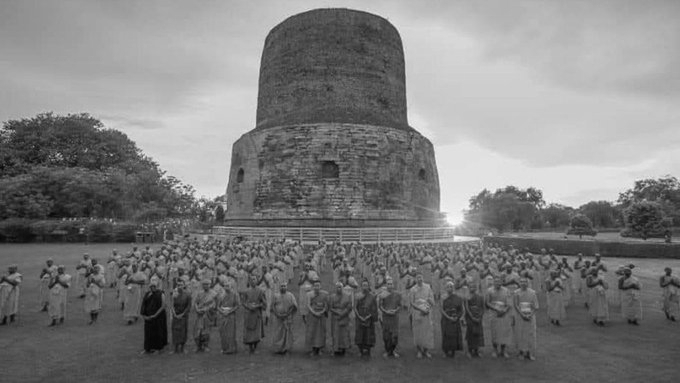
The UNESCO-listed property comprises the Chaukhandi Stupa and the Archaeological Remains of Sarnath, including the Dhamekh Stupa, Dharmarajika Stupa, Mulagandhakuti Vihara and the Ashokan Pillar. The site is revered as the place where Buddha delivered the Dharmachakra Pravartana, or "Turning of the Wheel of Dharma", marking the beginning of the Buddhist Sangha. It also houses the Ashokan Lion Capital, later adopted as India's National Emblem.
Sarnath was first placed on UNESCO's Tentative List in 1998. India's nomination, submitted in January 2025, underwent an 18 month evaluation by UNESCO's advisory body ICOMOS before being approved under cultural criteria (iii) and (vi), recognising its exceptional universal value and enduring spiritual significance.
The latest inscription strengthens India's position on the global heritage map, taking its total number of UNESCO World Heritage Sites to 45, the sixth highest in the world and second highest in the Asia Pacific region, while reinforcing the country's role as the birthplace of Buddhism and a major destination for global Buddhist pilgrimage.