
PM-SETU Approves ₹735.70 Crore Investment To Transform ITI Clusters
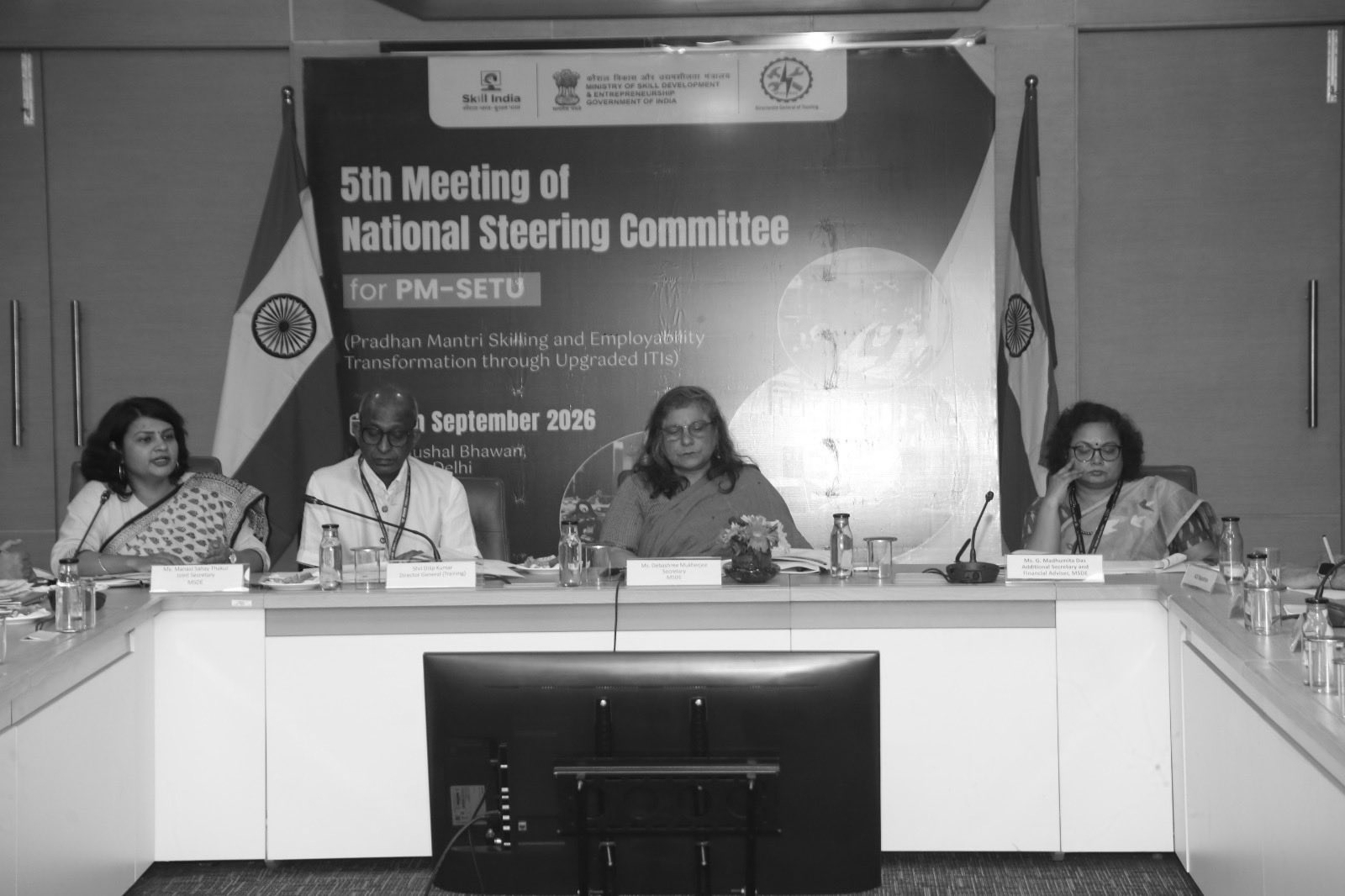
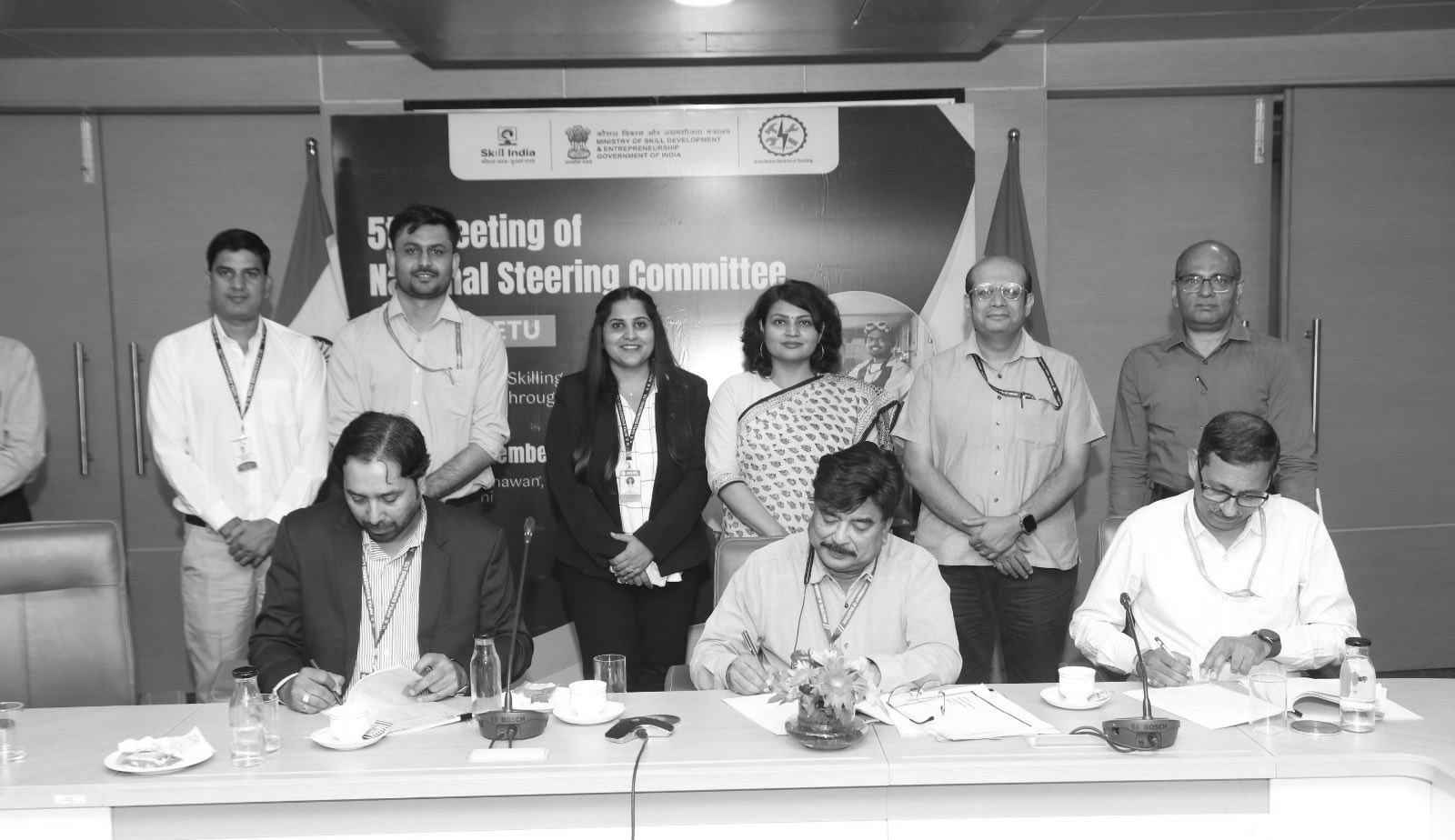
The National Steering Committee (NSC) under the Pradhan Mantri Skilling and Employability Transformation through Upgraded ITIs (PM-SETU) has approved Strategic Investment Plans worth ₹735.70 crore for three Industrial Training Institute (ITI) clusters in Rajasthan, Uttar Pradesh and Telangana. The decision was taken at the scheme’s 5th NSC meeting, raising the total sanctioned investment under PM-SETU to ₹2,171 crore across nine ITI clusters.
PM-SETU is a flagship government initiative designed to modernise the ITI ecosystem through industry partnerships, upgraded infrastructure, future-ready courses and improved employability. Unlike a conventional training model, the scheme follows an industry-led, cluster-based approach, with companies and institutional partners helping modernise facilities and align courses with changing industry requirements.
Under the latest approvals, ₹241 crore has been sanctioned for the Bhiwadi ITI cluster in Rajasthan, ₹254.30 crore for the Medchal cluster in Telangana and ₹240.40 crore for the Meerut cluster in Uttar Pradesh.
In Rajasthan, Government ITI Bhiwadi will serve as the Hub ITI, supported by institutes in Alwar, Neemrana, Tijara and Kishangarh Bas. The plan was submitted by H.G. Infra Engineering Limited. In Telangana, Government ITI Medchal will be the Hub, with ITIs at Alwal, Shameerpet, Kukunoorpally and Siddipet as Spokes. The plan was submitted by ZEN Technologies Limited after earlier operational and financial clarifications.
In Uttar Pradesh, Government ITI Saket in Meerut will function as the Hub, supported by ITIs in Ghaziabad, Hapur, Gautam Buddha Nagar and Baghpat. The Strategic Investment Plan was submitted by the National Skill Development Corporation (NSDC).
The approved plans will support infrastructure modernisation, upgraded trades, new long- and short-term courses and stronger operational capabilities, helping ITIs respond to emerging technologies and changing employment requirements.
The government’s broader objective is to move ITIs from a primarily training-focused model towards one where industry demand directly influences skills, equipment and courses, improving the job readiness of trainees.