
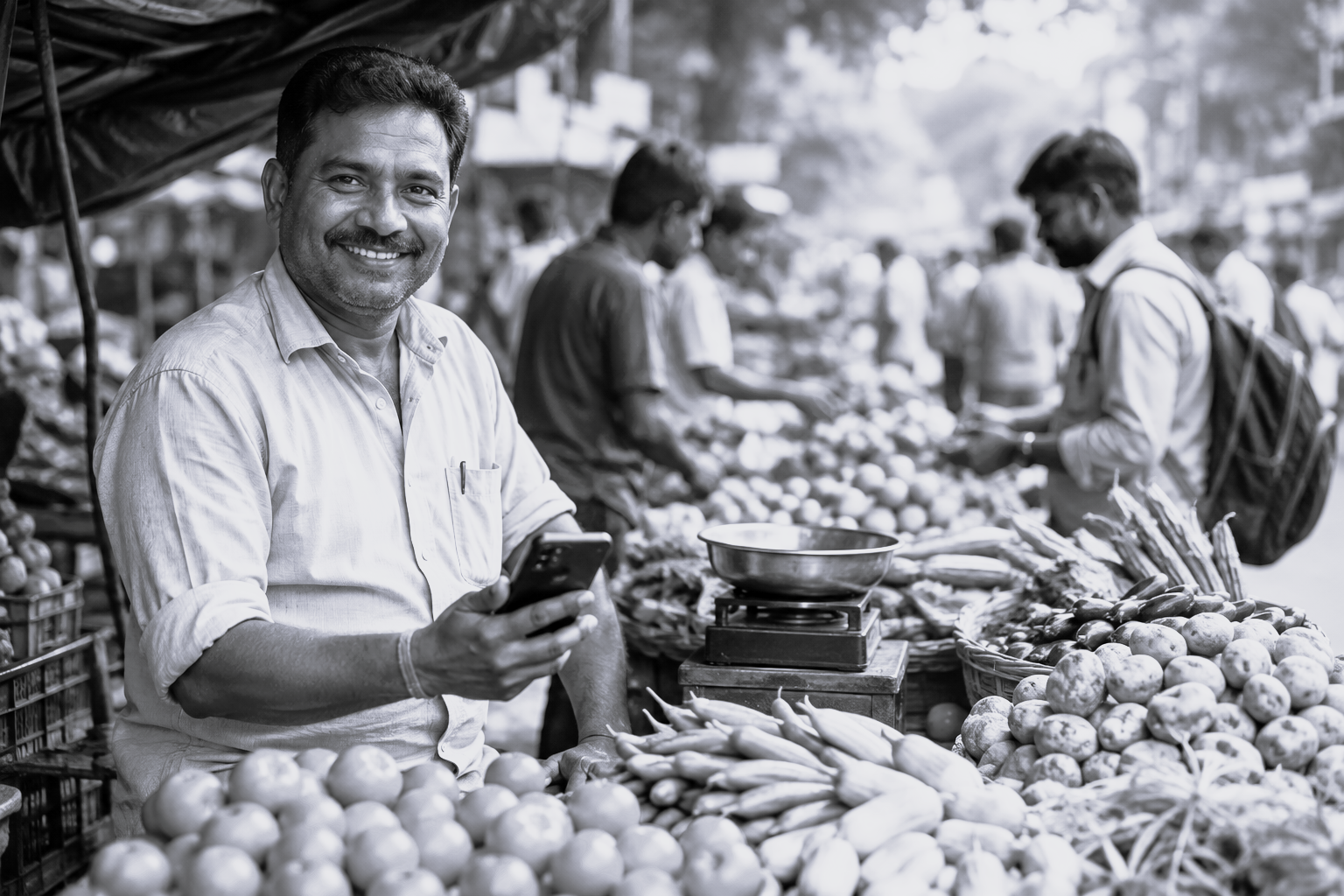
PM SVANidhi Crosses ₹18,475 Crore Loans, Benefits 77 Lakh Vendors
The PM SVANidhi scheme has crossed a major milestone, with 76.95 lakh street vendors receiving 1.15 crore collateral-free working capital loans worth ₹18,475.06 crore as of July 12, 2026, reflecting the Centre's efforts to expand formal credit access and strengthen the livelihoods of urban informal workers.
The latest figures were shared by Union Housing and Urban Affairs Minister Manohar Lal in a written reply to the Rajya Sabha. Launched on June 1, 2020, during the COVID-19 pandemic, PM SVANidhi was aimed at helping urban street vendors restart businesses affected by lockdowns. Over the years, the scheme has evolved into one of India's largest micro-credit programmes for the informal sector.
Under the restructured scheme, approved by the Union Cabinet in August 2025, vendors can avail collateral-free working capital loans in three stages up to ₹15,000, ₹25,000 and ₹50,000 with repayment periods of 12, 18 and 36 months, respectively, through monthly installments. The programme has also been extended until March 31, 2030, while its coverage has been expanded to include vendors operating in census towns and peri-urban areas.
The government data shows that 29.71 lakh vendors have progressed to the second loan tranche, while 8.49 lakh have availed the third tranche, indicating strong repayment discipline and growing confidence among lenders. The graduated lending model rewards timely repayments by making borrowers eligible for higher-value loans, helping them build formal credit histories.
Impact assessment studies conducted by the Indian School of Business (ISB), Hyderabad highlight the scheme's transformative impact. The 2023 study, covering more than 5,000 beneficiaries across 100 Urban Local Bodies (ULBs), found that 95% of beneficiaries received their first-ever bank loan through PM SVANidhi. A follow-up 2025 study, conducted across 99 ULBs with over 5,000 beneficiaries, around 60% of whom were part of the earlier survey, found that the average annualised business income of borrowers increased by around 20% between 2023 and 2025.
The study also recorded a sharp rise in digital payment adoption, while around 30% of borrowers had accessed loans beyond PM SVANidhi, indicating improved creditworthiness and greater integration into the formal financial system. Researchers observed that easier access to institutional credit has also contributed to better household financial stability, enabling beneficiaries to spend more on food, healthcare and education.
The scheme has further expanded its social impact through 'SVANidhi se Samriddhi', which links beneficiaries and their families to government welfare programmes. As of July 12, 2026, 50.63 lakh beneficiaries and 1.06 crore family members had undergone socio-economic profiling, resulting in 1.56 crore welfare scheme sanctions under eight Central Government schemes.
In addition to affordable credit, the revamped programme offers cashback incentives for digital transactions and a UPI-linked RuPay Credit Card for eligible borrowers who have successfully repaid their second loan tranche, further encouraging digital adoption and access to formal finance.
With nearly 77 lakh street vendors benefiting from the initiative, PM SVANidhi has evolved from a pandemic relief measure into a comprehensive urban livelihood programme that combines affordable credit, digital inclusion, social security convergence and financial empowerment for India's vast informal workforce.