
PMK Opposes Mekedatu Tribunal Move, Flags Risk to Tamil Nadu Rights
The Pattali Makkal Katchi (PMK) has strongly opposed the Tamil Nadu Legislative Assembly’s resolution seeking a new tribunal to resolve the long standing Mekedatu dam dispute , warning that the move could weaken the state’s legal position.
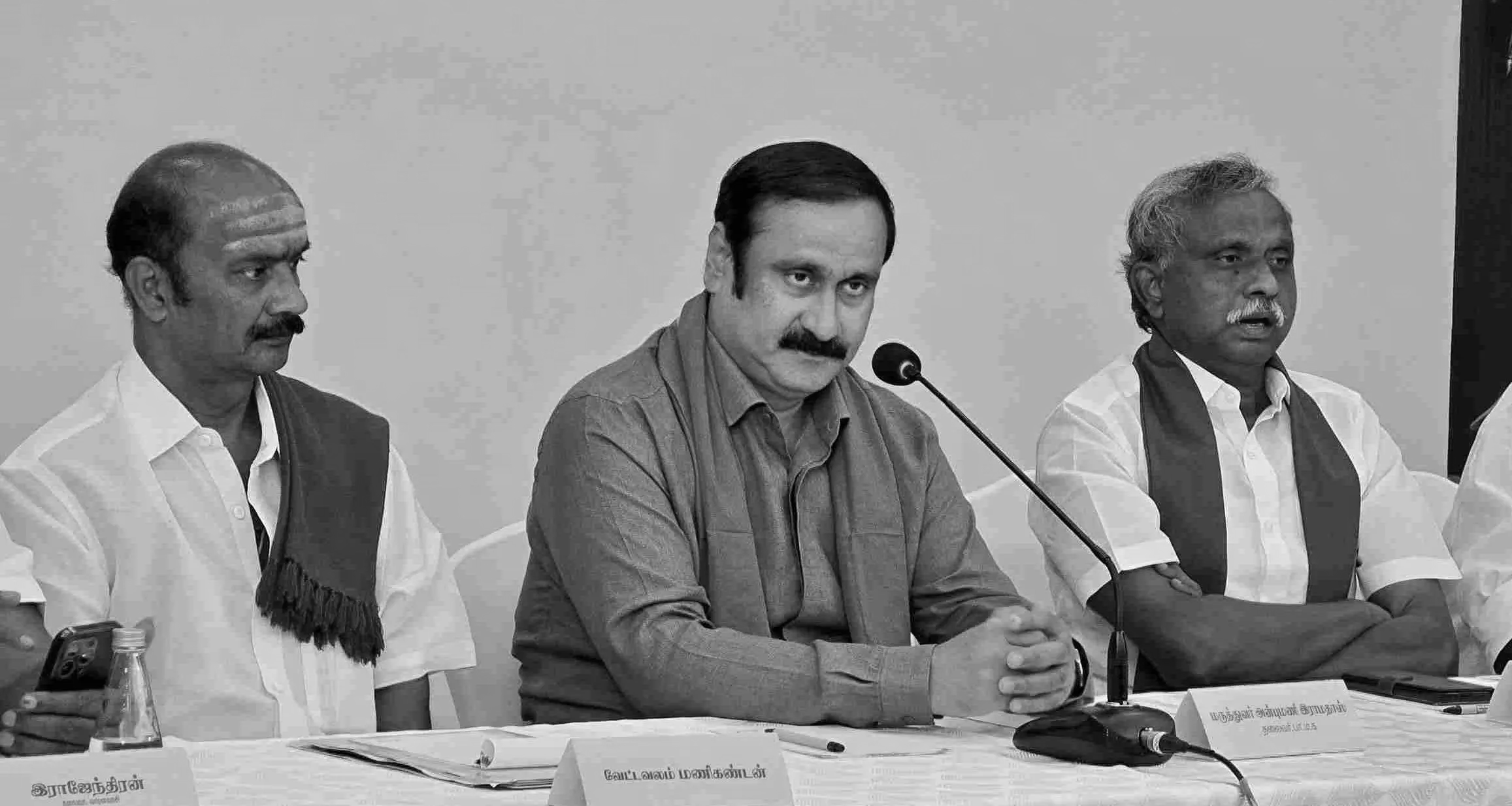
In a sharp statement on Sunday, PMK leader Anbumani Ramadoss described the proposal as “unnecessary and counterproductive” , and urged the state government to remove the clause before sending it to the Centre.
He specifically appealed to Chief Minister C Joseph Vijay to reconsider the decision and ensure that Tamil Nadu does not dilute its existing legal rights by seeking a fresh tribunal mechanism.
The controversy is linked to the proposed dam project at Mekedatu across the Cauvery River , which has long been a source of tension between Tamil Nadu and Karnataka over water sharing.
Anbumani Ramadoss argued that both the Cauvery Tribunal verdict and Supreme Court observations have already clarified that upper riparian states must obtain consent from lower riparian states before undertaking new constructions. In this context, he said, creating another tribunal would only complicate an already settled legal framework .
He warned that the proposal could indirectly weaken Tamil Nadu’s stand, saying, “seeking a new tribunal is like unnecessarily putting our own head into a crocodile’s mouth.”
He also claimed that farmer organisations have opposed the tribunal demand and stressed that Tamil Nadu’s interests can be protected through sustained legal action and political pressure rather than new adjudicatory bodies.
While reiterating that all political parties, including PMK, stand with the state government on protecting water rights, he insisted that the resolution must be amended to remove references to a new tribunal before it is forwarded to the Union Government.
The Mekedatu issue continues to remain a politically sensitive matter in Tamil Nadu, with parties sharply divided over the best legal and administrative approach to safeguard the state’s share of Cauvery waters .