
Political prisoners’ families continue hunger strike as Venezuela delays amnesty bill
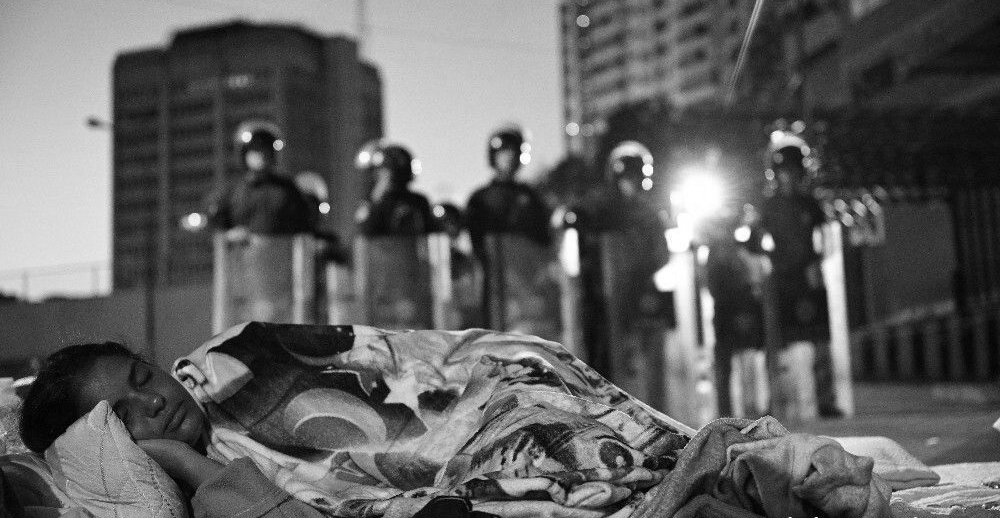
Relatives of Venezuelan political prisoners continued a second day of hunger strike on Sunday outside Caracas’s notorious Zona 7 detention centre, escalating pressure on authorities to immediately release detainees as political negotiations over a sweeping amnesty bill remained stalled. Protest organisers said 10 family members are refusing food and vowed to continue until all 33 prisoners still held at the facility are freed, warning that the protest would intensify if no action is taken.
The hunger strike follows the release of 17 detainees on Saturday , which families welcomed but said only underscored the government’s ability to act swiftly when compelled. Human rights groups reported no further releases on Sunday , intensifying frustration among families who have camped outside the jail since January 8. Several relatives chained themselves to the prison gates, accusing authorities of deliberately delaying releases to exert political leverage. Civil society organisations said the detainees include opposition activists, student leaders, and civil rights defenders who have spent months or years in detention without trial.
Rights group Foro Penal said 431 political prisoners have been released nationwide since January , but at least 644 remain incarcerated , contradicting official claims of nearly 900 releases. Activists said many prisoners continue to face harsh conditions, limited legal access, and prolonged pre-trial detention, warning that the humanitarian crisis inside Venezuelan prisons remains severe despite recent gestures of reform.
The renewed protests come after Venezuela’s ruling-party-controlled National Assembly on Thursday postponed a final vote on a landmark amnesty bill , exposing deep political divisions within the government . Lawmakers delayed the session to resolve unresolved disputes over eligibility, including whether Venezuelans who fled the country to avoid arrest should qualify, and whether detainees must physically appear in court to request amnesty, a requirement opposition figures warn could trigger new detentions.
The proposed law, introduced by acting President Delcy Rodríguez following the dramatic US military capture of President Nicolas Maduro on January 3, aims to grant clemency for politically motivated offences dating back to 1999. Rodríguez said the legislation is intended to heal the wounds of political confrontation and promote national reconciliation. However, critics argue the current draft is narrowly framed, excluding individuals convicted of serious crimes and failing to restore seized assets, overturn convictions, or lift bans on holding public office.
Human rights organisations warned that more than half of those considered political prisoners could remain excluded , undermining the bill’s central promise. Attorney General Tarek Saab defended the narrower scope, saying the government chose forgiveness and reconciliation over vengeance, while insisting many detainees committed criminal offences rather than political acts.
Public mobilisation has surged alongside the legislative impasse, with student marches and daily protests across Caracas demanding unconditional releases and swift passage of a broader amnesty. Demonstrators say the political opening following Maduro’s capture has raised expectations of deep reforms, not symbolic concessions. Observers noted that the relative tolerance shown toward protests marks a rare loosening of public restrictions after years of heavy repression.
The political shift has also extended to the media, with state broadcasters airing opposition voices for the first time in years. Exiled opposition leader Maria Corina Machado addressed analysts at the Munich Security Conference via video link, renewing her call for new elections as part of a democratic transition . A Nobel Peace Prize laureate, she said peaceful political change would stabilise Venezuela and the wider region but declined to set a timeline, citing fragile conditions.
Despite signs of liberalisation, tensions remain high. Several recently freed opposition figures have reportedly been placed under surveillance or house arrest, highlighting the uneven nature of reform. Human rights groups continue to document allegations of torture, enforced disappearances, and extrajudicial killings under previous administrations, warning that amnesty without accountability risks entrenching impunity.