
Project Great Indian Bustard Crosses New Milestone, Population Reaches 94
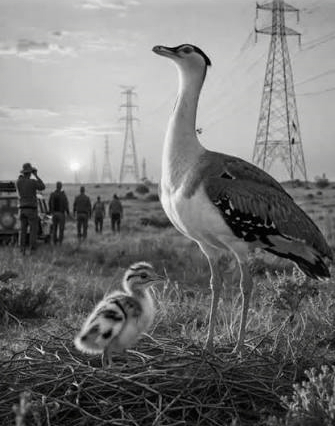
India's ambitious effort to save the critically endangered Great Indian Bustard (GIB) has achieved another significant milestone, with three more chicks joining the conservation breeding programme in recent days. The latest additions have pushed the captive population of the rare bird to 94 , offering renewed hope for the recovery of one of the world's most threatened avian species.
Sharing the update on Sunday, Union Environment Minister Bhupender Yadav said the breeding programme has continued to deliver encouraging results during its fourth year. With the arrival of the three chicks, the total number of hatchlings produced this season has risen to 26 , reflecting steady progress in the country's long-term conservation strategy.
According to the minister, the newly hatched birds are part of a carefully managed breeding initiative aimed at increasing the population of the species, which faces severe threats from habitat loss, power line collisions and predation. Of the 26 chicks hatched so far this year, 18 were produced through artificial insemination , four through natural breeding , and four from eggs collected from the wild .
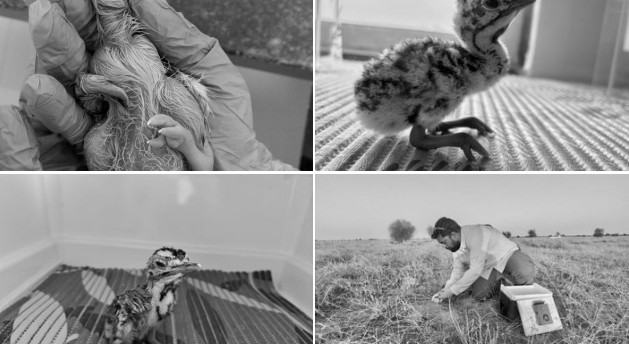
A key feature of the programme has been the use of innovative conservation techniques designed to strengthen the species' genetic diversity. Under a "jumpstart intervention" strategy, eggs collected from the wild are incubated in controlled conditions, while efforts are simultaneously made to ensure successful breeding in natural habitats.
Yadav noted that in exchange for the wild-collected eggs, three chicks have successfully hatched in the wild in Rajasthan , helping conservationists improve genetic diversity among the founder population while also reducing the risk of egg and chick mortality due to predators.
The minister said the captive stock has now reached 94 birds , a notable achievement considering the precarious status of the Great Indian Bustard. Conservation experts remain optimistic as more chicks are expected to hatch during the ongoing breeding season.
The Great Indian Bustard, once found across large parts of the Indian subcontinent, is now largely confined to parts of Rajasthan and a few scattered habitats elsewhere. With its numbers dwindling alarmingly over the years, the success of the captive breeding programme is being viewed as a crucial step in preventing the iconic grassland bird from slipping closer to extinction.
As additional hatchings are anticipated in the coming weeks, conservationists hope the programme will continue to strengthen the species' future and pave the way for a sustained revival of the Great Indian Bustard in the wild.