




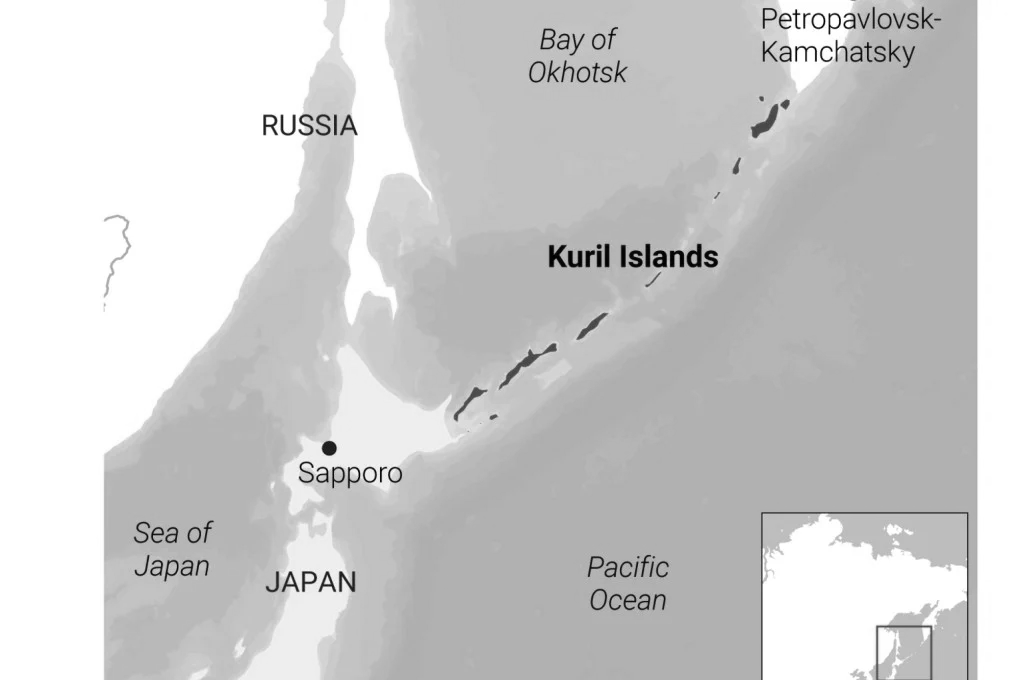
Putin Visits Disputed Kuril Islands, Japan Calls Move ‘Absolutely Unacceptable’
Russian President Vladimir Putin has visited the disputed Kuril Islands for the first time, prompting a strong protest from Japan and adding another strain to already tense relations between Moscow and Tokyo.
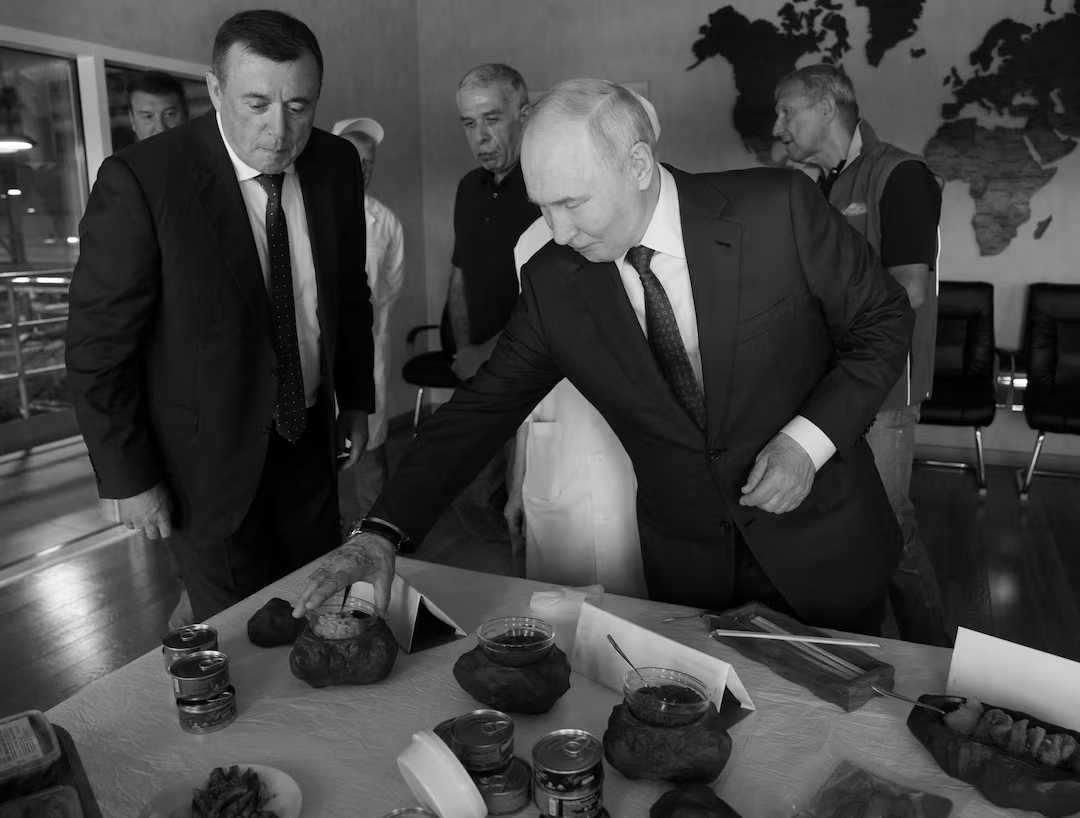
Putin travelled to Iturup, one of the four islands claimed by both countries, on Thursday. During his visit, he toured the Yasny fish processing complex and was presented with caviar. The Kremlin also released footage of Putin meeting local residents and visiting a school.
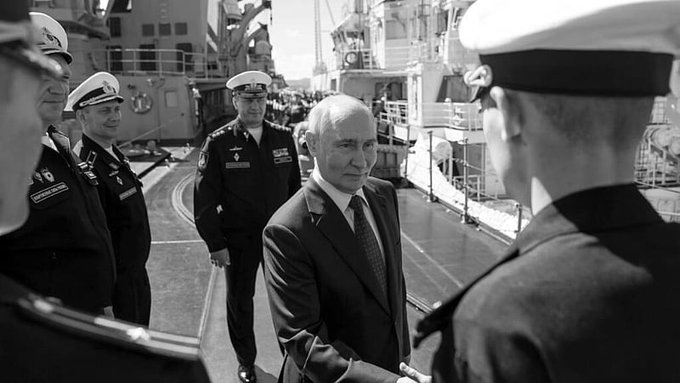
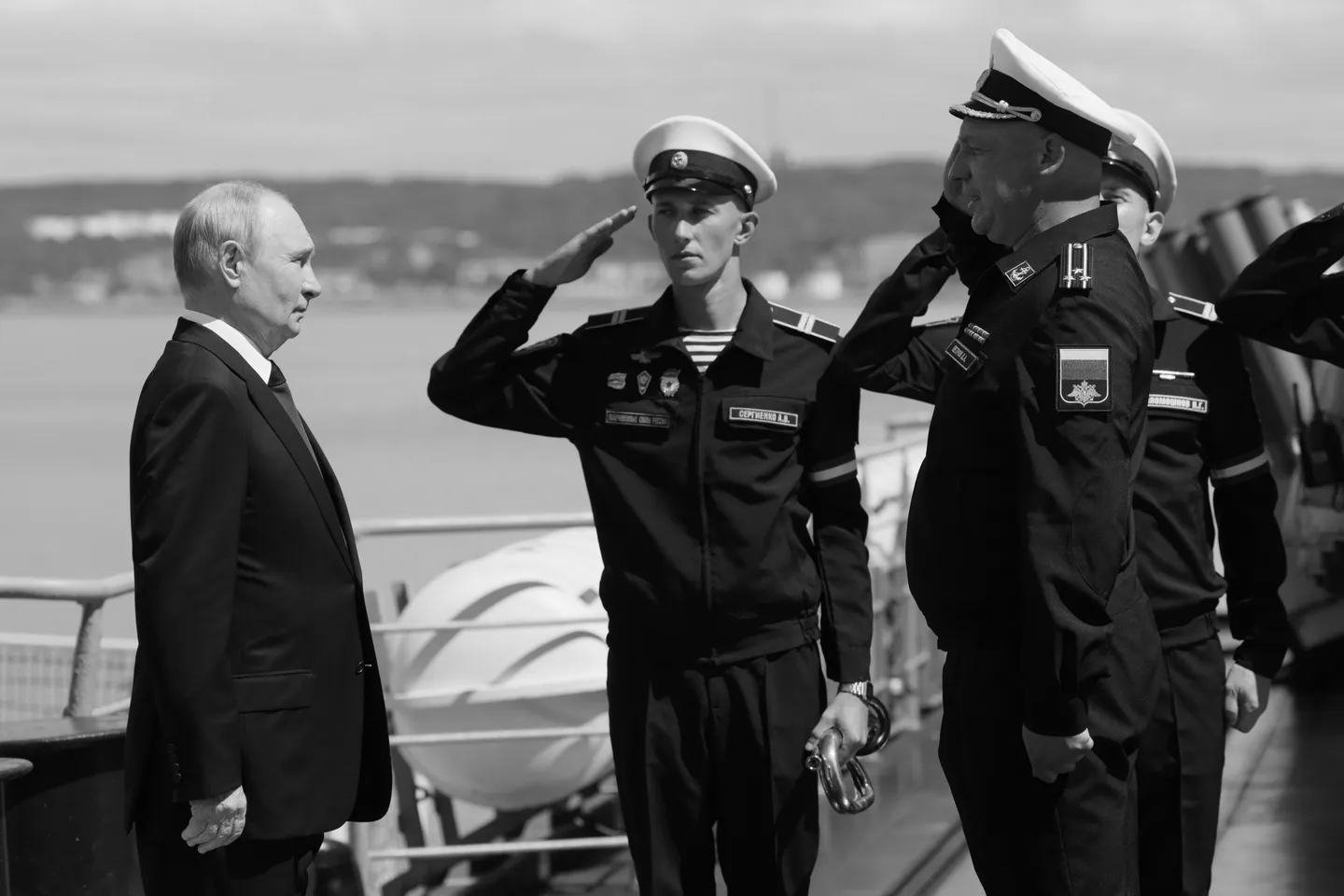
The visit came after Putin travelled to nearby Sakhalin on Wednesday, where the Russian Navy was conducting exercises. He watched live fire drills from the Pacific Fleet's missile cruiser Varyag, including an underwater explosion, and held a meeting focused on ensuring the security of Russia’s eastern borders.
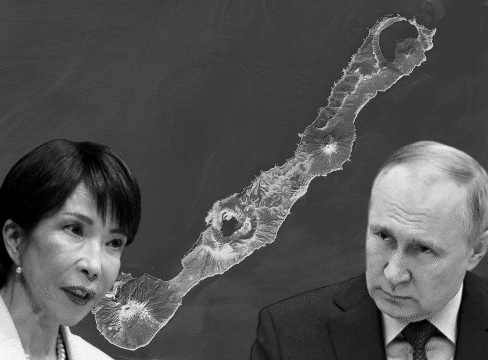
Japan reacted strongly. Prime Minister Sanae Takaichi said the Northern Territories are an inherent part of Japan, both historically and under international law. She said Putin’s visit hurt the feelings of the Japanese people and was “absolutely unacceptable”. Tokyo also warned that the move would make it harder to improve relations with Russia. Foreign Minister Toshimitsu Motegi summoned Russia’s ambassador in Tokyo to lodge a formal protest.
Putin, meanwhile, rejected the suggestion that Russia poses a threat to Japan. Speaking on Wednesday, he said, “We are not threatening Japan”, arguing that Japan has territorial claims against Russia. He also criticised Tokyo’s sanctions against Moscow as “unprovoked” and said Russia had previously maintained constructive relations with Japan over the territorial issue during former Prime Minister Shinzo Abe’s administration. Putin said the recent change in Japan’s position had not been provoked by Russia.
The dispute dates back to the final days of World War II. The Soviet Union declared war on Japan on August 8, 1945, and seized the islands shortly before the war ended. Russia has controlled them ever since, while Japan calls them the Northern Territories. The four disputed areas are Kunashir, Iturup, Shikotan and the Habomai Islands.
The islands stretch between Russia’s Kamchatka Peninsula and Japan’s northern island of Hokkaido. Their location gives them major strategic value, separating the Pacific Ocean from the Sea of Okhotsk. The region also has rich fishing grounds and mineral deposits, including gold and silver. Around 20,000 Russians live there today despite the harsh climate. About 17,000 Japanese residents were deported after the Soviet takeover.
The islands also became important military positions during the Cold War, with the Soviet Union using them for air and naval bases as it faced the United States and Japan in the Pacific. The territorial dispute has remained unresolved and has prevented Moscow and Tokyo from signing a formal postwar peace treaty.