
Quit India Movement Turns 84: India Remembers the ‘Do or Die’ Call That Changed the Freedom Struggle
India is set to mark the 84th anniversary of the Quit India Movement on August 9, remembering one of the defining chapters of the country’s struggle for independence and the sacrifices of thousands who challenged British rule.
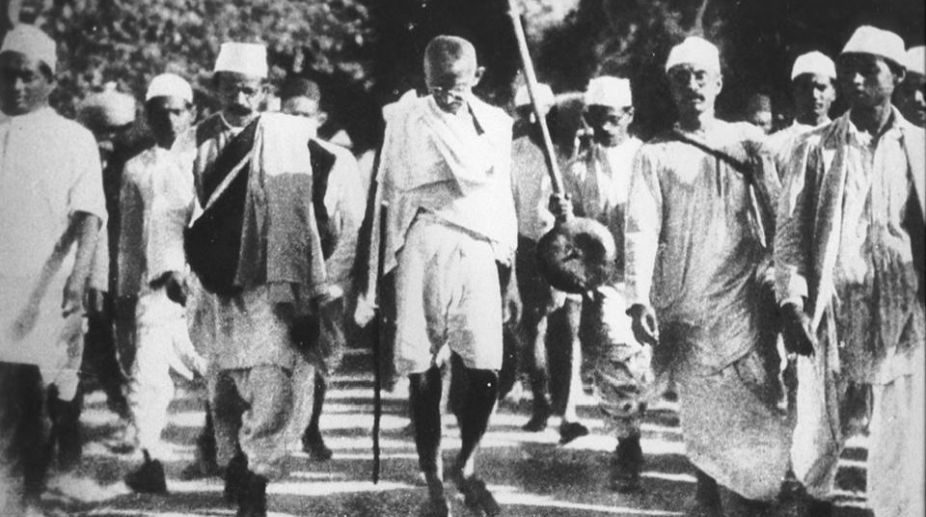
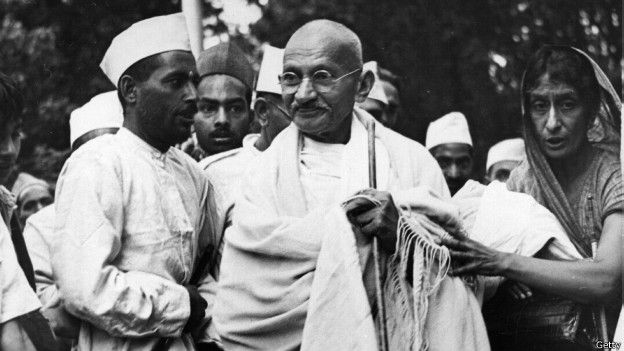
The occasion was commemorated in the Rajya Sabha, where Chairman Jagdeep Dhankhar recalled the historic movement launched under the leadership of Mahatma Gandhi on August 9, 1942. He said the campaign gave fresh momentum to India’s determined struggle for freedom and brought people together across social and regional barriers.
At the heart of the movement was Gandhi’s powerful “Do or Die” call, which inspired millions to join the campaign for independence. The movement rapidly spread across the country, with ordinary citizens taking part despite the severe repression imposed by the British authorities.
The Chairman paid tribute to the freedom fighters who endured imprisonment, repression and immense hardships, describing their courage and commitment as central to the eventual achievement of independence in 1947.
He said the sacrifices made during the freedom struggle continue to serve as a reminder of the values of patriotism, unity, dedication and selflessness. These ideals, he added, remain relevant as the country works towards building a strong, prosperous and inclusive India.
Members of the Upper House were requested to rise in their places and observe silence in memory of the brave men and women who sacrificed for the nation’s freedom.
The Quit India Movement remains a major milestone in India’s freedom struggle. Launched during the Second World War, it represented one of the strongest mass challenges to British rule and strengthened the momentum that ultimately culminated in India becoming independent five years later.
As the country remembers the historic movement, the anniversary offers an opportunity to reflect on the determination and sacrifices of those who placed the cause of India’s freedom above their own safety and personal interests.