
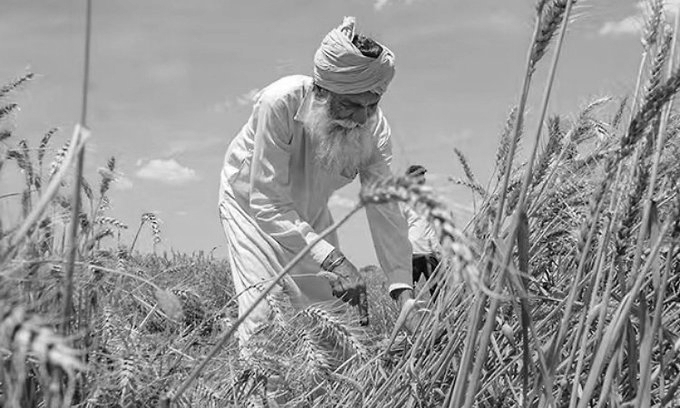
Rabi Crops At Risk? Agriculture Secretary Flags El Nino Challenge For Rainfed Areas
India’s upcoming rabi season could face significant weather-related challenges, particularly in rainfed areas, with the emerging El Nino pattern threatening crop production and potentially affecting overall foodgrain output, Agriculture Secretary Atish Chandra said on Monday.
Speaking at a two-day national conference on preparedness for the rabi season, Chandra said the kharif season had already proved difficult, especially for farmers dependent on rainfall. Several states struggled initially to achieve adequate crop coverage and later faced problems in protecting standing crops.
With sowing of major rabi crops such as wheat and mustard set to begin in October, Chandra said the coming months would require carefully calibrated strategies because weather conditions could vary sharply across regions.
“We are seeing that in the coming season, production is likely to be affected to a large extent. And the rabi season will also be challenging for the rainfed areas,” he said.
The challenge, however, may not be limited to inadequate rainfall. Some states could enter the season with excess soil moisture, while areas receiving deficient rainfall may experience prolonged moisture stress, requiring different approaches to crop management.
Chandra also stressed that climate change is already affecting agriculture, with even irrigated regions witnessing untimely and heavy rainfall that damages crops.
“We used to think that we will face the challenges of climate change later. But now we see the changes happening, and they are happening at a fast pace,” he said.
The scale of the rabi season makes the warning significant. About 638 lakh hectares are normally planted during the season, including more than 300 lakh hectares under wheat, 140 lakh hectares under pulses, 87 lakh hectares under oilseeds and 55 lakh hectares under coarse cereals.
While India is self-reliant in cereals, it continues to depend on imports for pulses and oilseeds. A weather-driven decline in rabi output could therefore have wider implications for food availability and prices, making preparations ahead of the October sowing window particularly important.