
Railway Food Hygiene Under Scrutiny as IRCTC Introduces Independent Audits
Indian Railway Catering and Tourism Corporation (IRCTC) has signed a memorandum of understanding with the Quality Council of India (QCI) to conduct independent food safety and hygiene audits across trains and railway stations, the Railway Ministry said on Thursday.
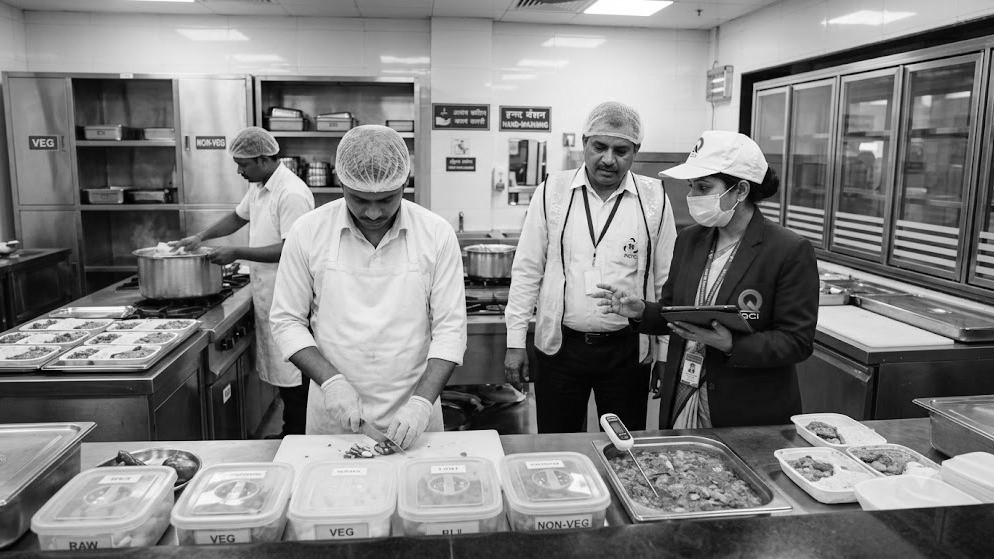
Under the agreement, QCI will deploy certified professionals for unannounced quarterly and half-yearly inspections of railway catering facilities. The audits will assess compliance with Food Safety and Standards Authority of India (FSSAI) regulations and international culinary standards.
Inspectors will use a mobile application to record findings through mandatory geo-tagging, time stamps and photographs. The digital records are intended to document the location and timing of inspections and provide evidence of deficiencies identified during checks.
The ministry said QCI would submit audit reports within 24 hours. The reports will help authorities identify operational gaps and track corrective and preventive action against catering vendors found non-compliant.
The partnership follows passenger complaints about food quality and unhygienic practices in railway catering. In May, FSSAI issued a notice to IRCTC after a video circulating online allegedly showed utensils being washed inside a toilet on the Mumbai, Ernakulam Duronto Express. IRCTC said it had taken action against the service provider and removed the staff concerned from duty.
The Railway Ministry said in August that, over the preceding three years, authorities had imposed fines totalling ₹5.13 crore, issued 54 show-cause notices, terminated six catering contracts and debarred licensees for food quality and hygiene violations.
Indian Railways also uses monitoring measures, including regular and surprise inspections by railway and IRCTC officials, food sampling, CCTV surveillance in base kitchens and food safety supervisors. The ministry has said the network serves about 58 crore meals annually.
The new agreement adds an independent audit mechanism using digital evidence and time-bound reporting. The ministry said the reports would support faster identification of deficiencies and follow-up action against defaulting vendors. The announcement did not specify when the first audit cycle would begin or set out a separate penalty schedule under the agreement.