
Rare Prehistoric Discoveries Trace 10,000 Years of Human Life in Mulugu
A remarkable archaeological discovery in the forested hills of Mulugu district has revealed evidence of human activity dating back nearly 10,000 years , offering fresh insights into Telangana’s prehistoric past. Researchers have identified a series of ancient rock paintings , natural habitation features , and megalithic dolmen burials , reinforcing the region’s growing reputation as one of South India’s most significant prehistoric landscapes.
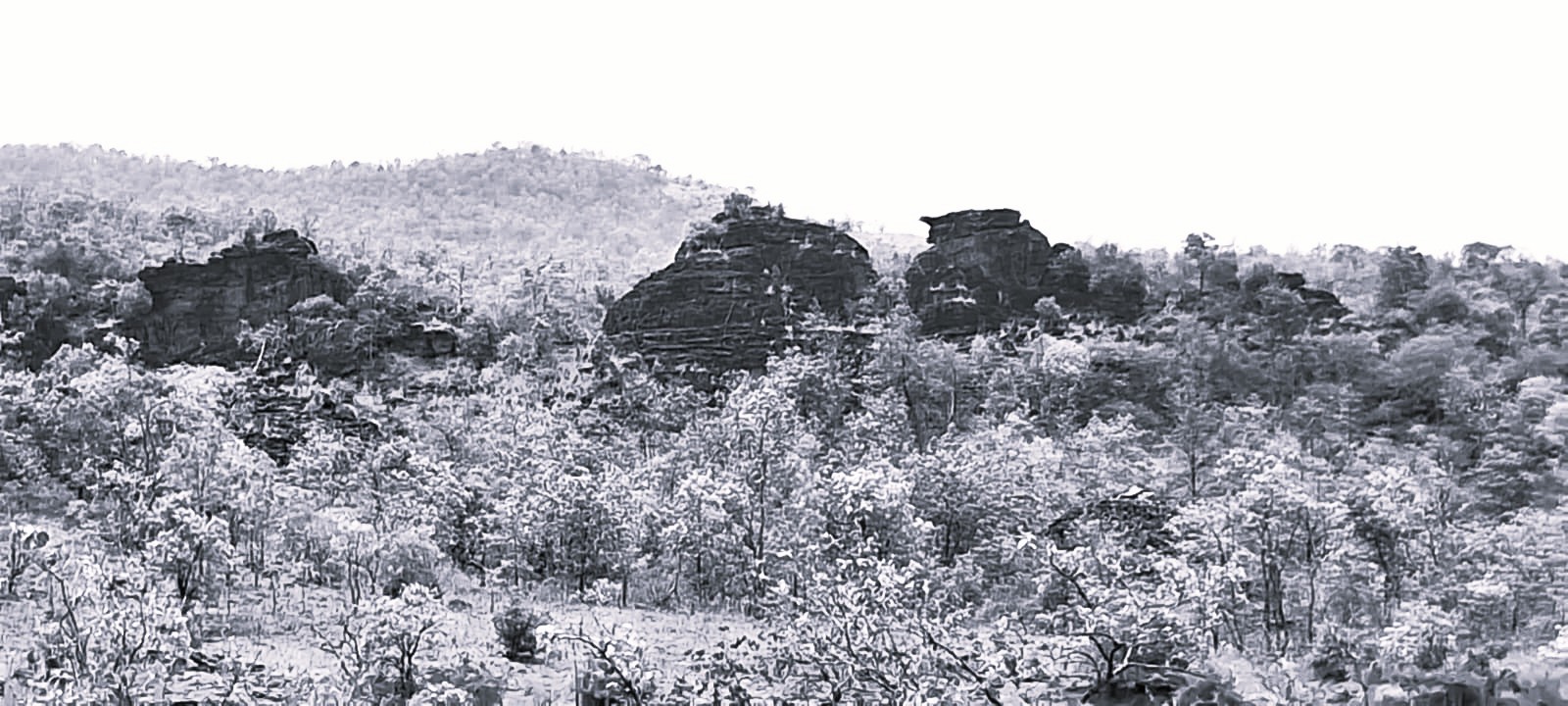
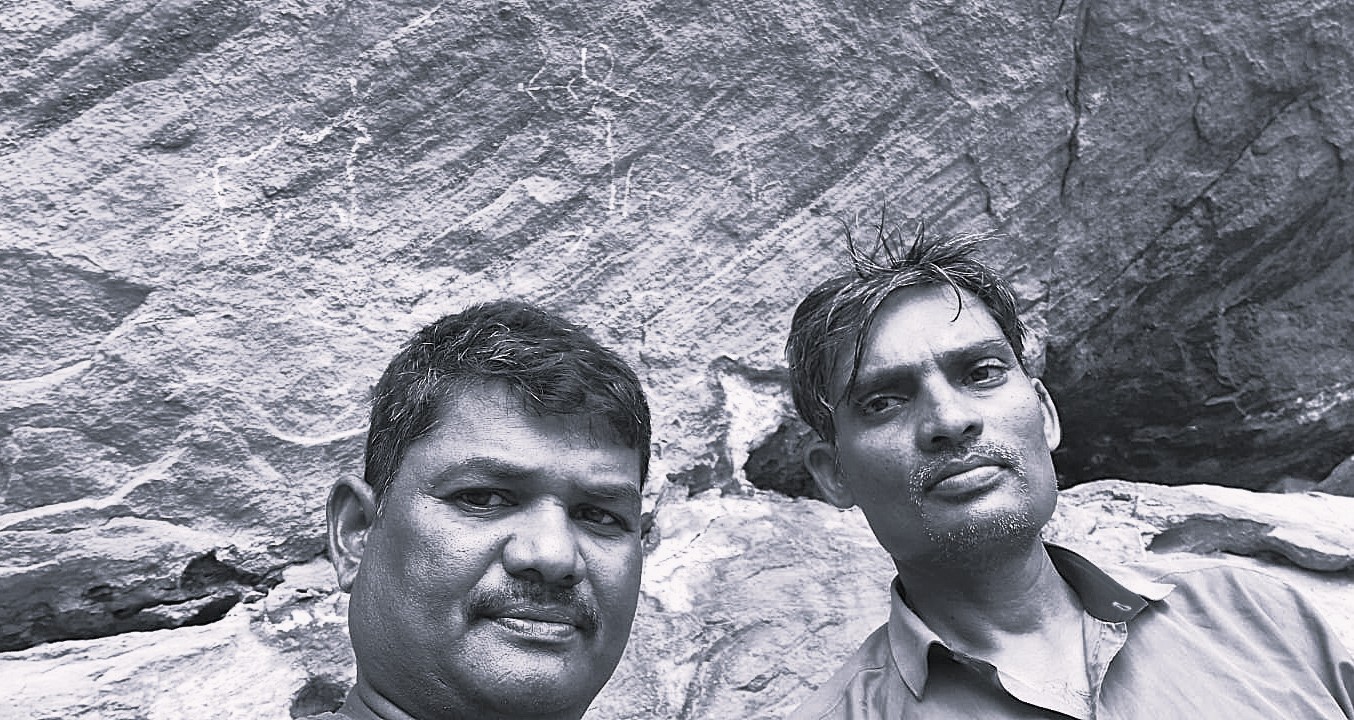
The discoveries were made by researchers from the Public Research Institute for History, Archaeology and Heritage (PRIHA) during an exploration led by Dr. M.A. Srinivasan , General Secretary of PRIHA and Assistant Professor at Suravaram Pratap Reddy Telugu University . Team members Gaddam Kranthi Kumar and Tati Sambasiva Rao Dora documented the findings across Moddugutta , Darvajala Gutta , and Nemaligutta in the Bandlapahad forest region , about 30 kilometres from Mulugu town.
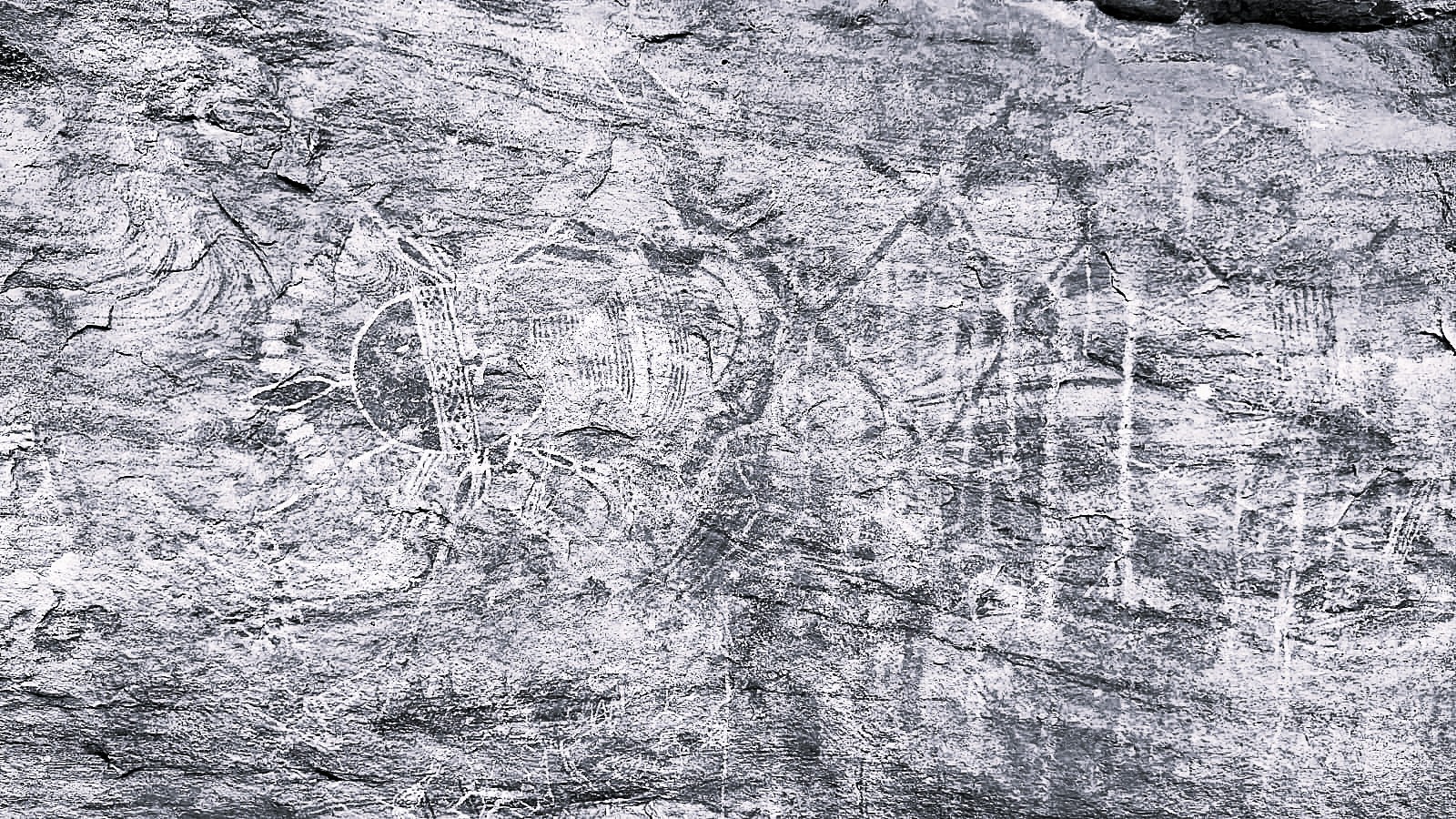
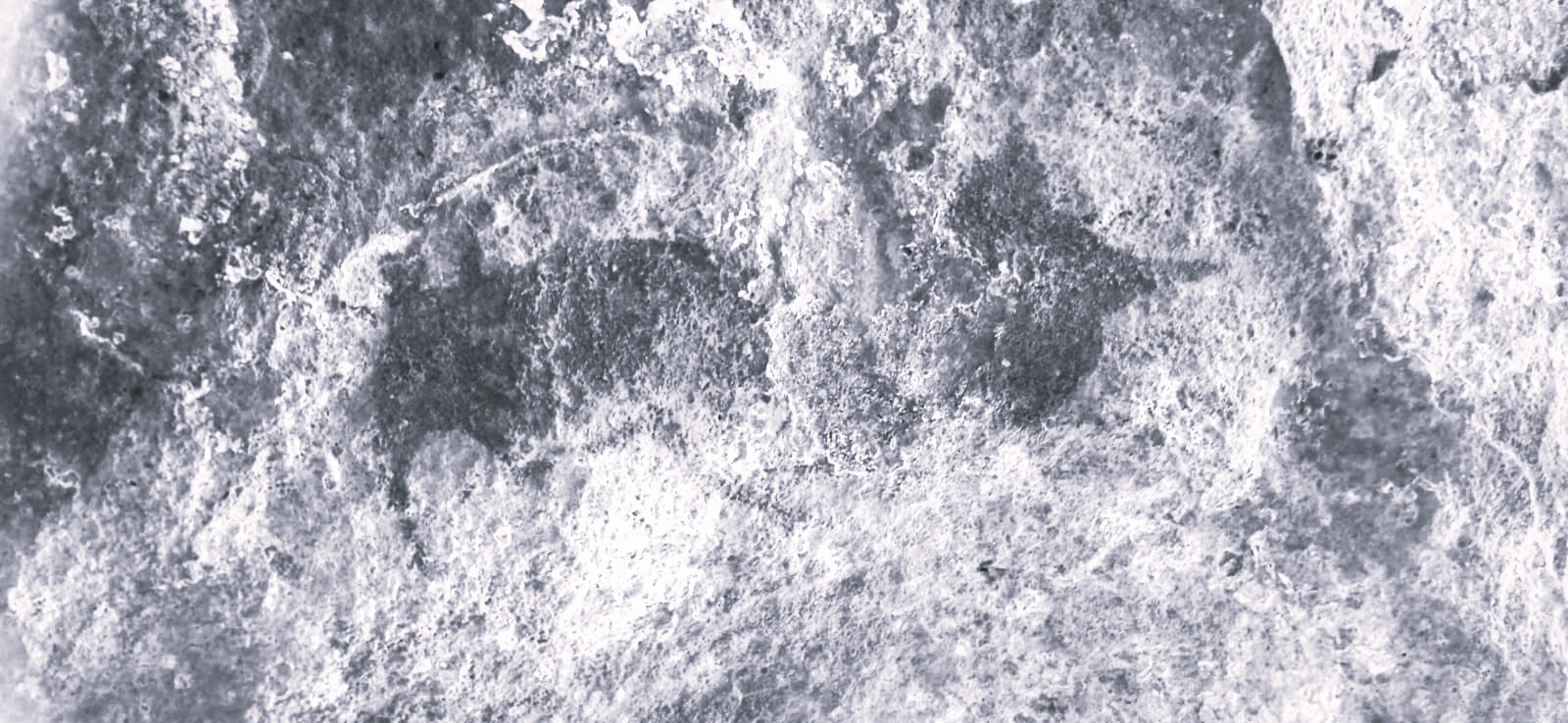
The rock shelters and cliff faces contain an impressive collection of prehistoric artwork depicting human figures, deer, bulls, turtles, foxes, wild bovines , geometric symbols, and decorative motifs. Most of the paintings were created using red ochre pigments , while others appear in white, suggesting they belong to different cultural phases. Archaeologists believe the artworks span the Mesolithic, Neolithic, and Megalithic periods , indicating continuous human occupation of the region from roughly 10,000 years ago to about 1,000 years ago .
Among the most striking discoveries are two large and highly stylised anthropomorphic figures found at Moddugutta. Painted in red and white, the figures feature elaborate body decorations, distinctive head designs, and evidence of superimposition , where newer images were painted over older ones. Experts say such richly ornamented human depictions are extremely rare in Telangana and could provide valuable clues about the social and ritual life of prehistoric communities.
At Darvajala Gutta , researchers recorded turtle motifs, ornamental patterns, and red-coloured paintings, while Nemaligutta yielded white-painted images of deer and cattle. The presence of three megalithic dolmen burials in the same area suggests the site may have served as both a settlement and ceremonial landscape for ancient inhabitants.
The team also identified a large natural cave measuring nearly 15 metres in length, along with cup marks and grooves carved into nearby rocks. Such features are widely regarded as indicators of prehistoric habitation and early human activity.
Archaeologists note that the latest discovery adds to a growing body of evidence showing that Telangana’s forested belt, stretching from Basara to Bhadrachalam , preserves an extraordinary record of prehistoric life. Researchers have urged the government to protect the newly discovered sites and develop them as part of a heritage tourism circuit , arguing that Mulugu has the potential to emerge as an internationally recognised destination for archaeology, history, and cultural tourism.
The findings also highlight the need for systematic documentation and conservation, as weathering and human interference continue to threaten many of the state's ancient heritage sites. With each new discovery, Telangana's prehistoric story becomes richer, revealing a landscape that sustained human communities for thousands of years long before recorded history began.