
Renewables Rise, Coal Holds Ground: How India Is Navigating Its Energy Transition
India’s power sector is undergoing a transition: expanding clean energy while keeping electricity reliable and affordable for a fast-growing economy.
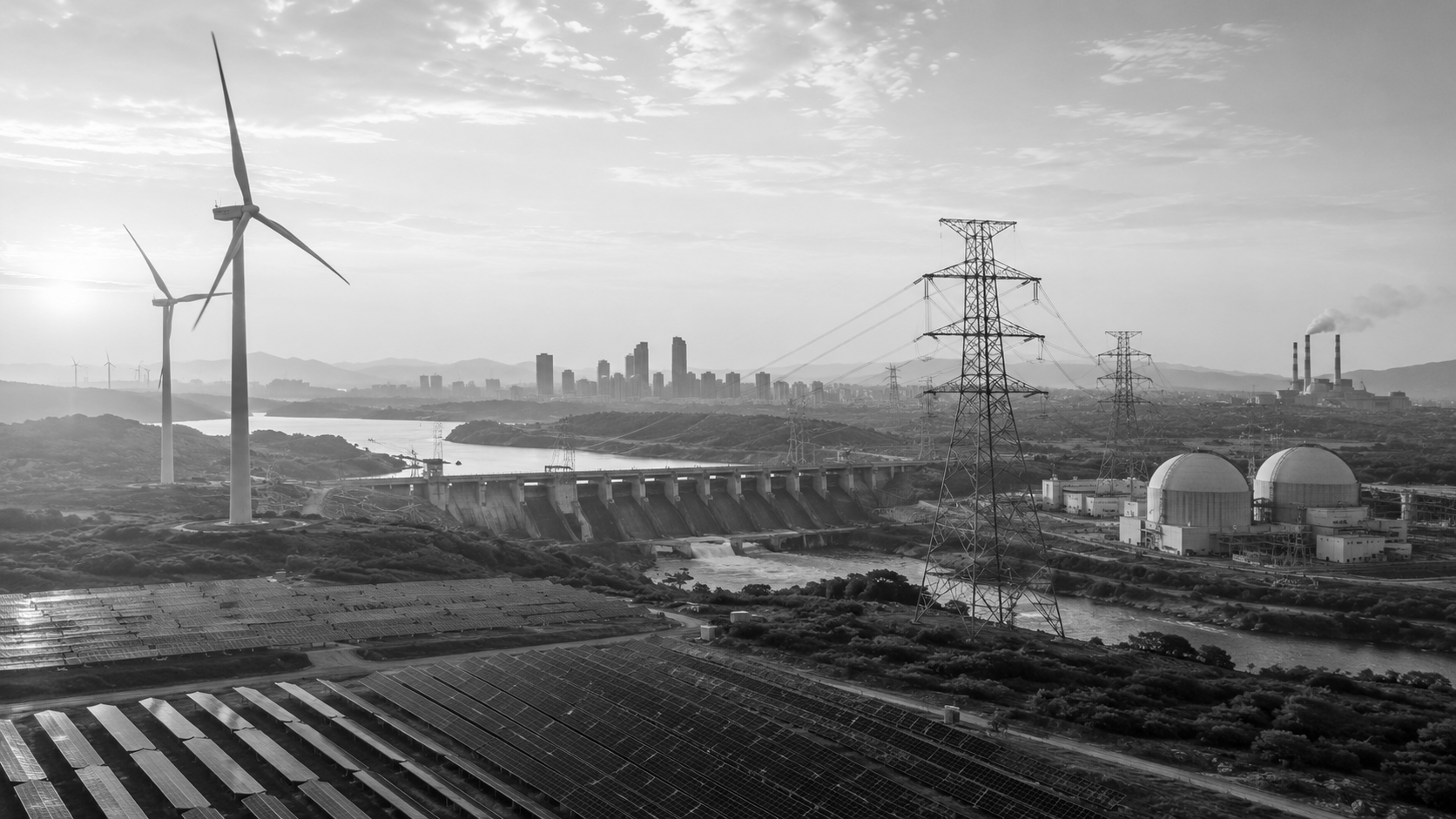
Installed capacity has risen from 249 GW in 2014 to around 552 GW in July 2026, with non-fossil capacity reaching 300.50 GW, or more than 54% of total capacity. Solar leads the expansion at 164.59 GW, followed by wind at 58.14 GW and hydro at 57.24 GW. Nuclear capacity stands at 8.78 GW.
Yet the generation mix tells a different story. Coal remains the backbone of electricity supply, accounting for more than 70% of generation, according to the government backgrounder. This reflects coal’s ability to provide dependable power when solar and wind output fluctuates, particularly during peak demand.
India is therefore pursuing a “both-and” strategy. Renewable capacity is expanding, while domestic coal production, transmission infrastructure, hydro, nuclear power and storage technologies are being developed to maintain energy security.
Affordability is another constraint. Replacing existing coal generation could increase system costs unless cheaper renewable electricity is supported by storage, transmission and flexible generation. India is investing in battery storage and pumped hydro, while expanding the grid to move renewable electricity from resource-rich regions to demand centres.
The government is targeting 500 GW of non-fossil capacity by 2030, alongside longer-term ambitions such as 100 GW of nuclear capacity by 2047 and 5 million tonnes of green-hydrogen production by 2030.
The biggest challenge is converting capacity into dependable clean electricity. Solar and wind cannot guarantee output every hour, making storage, grid flexibility and demand management crucial. Other hurdles include financially stressed distribution companies, land and transmission constraints, technology costs, domestic manufacturing and long nuclear construction timelines.