


Ring Of Fire Nightmare: Colombia Shaken Like Never Before By Strongest Quake Of The Century
Colombia has been shaken like never before after a powerful 7.4 magnitude earthquake struck the country's west, killing more than 200 people in the latest local count, injuring hundreds and leaving more than 3,000 people missing as rescuers race through collapsed buildings.
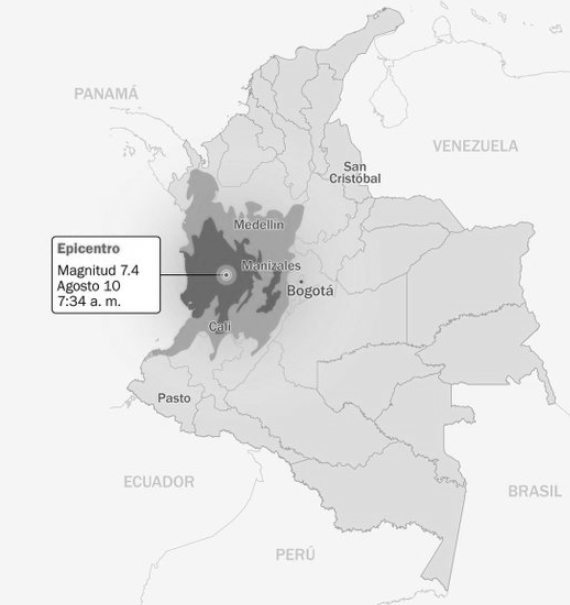
The earthquake struck at around 7:34 a.m. local time on Monday, August 10, near San José del Palmar in Chocó province. Colombia's Geological Service recorded the earthquake at a depth of around 103 kilometres, while the US Geological Survey put the depth at about 107 kilometres. The tremor was felt across hundreds of kilometres, including in Bogotá. Shaking was also reported in neighbouring Ecuador and Panama.
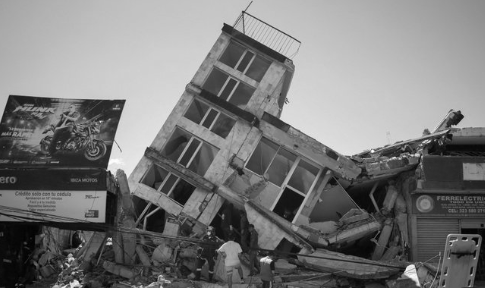
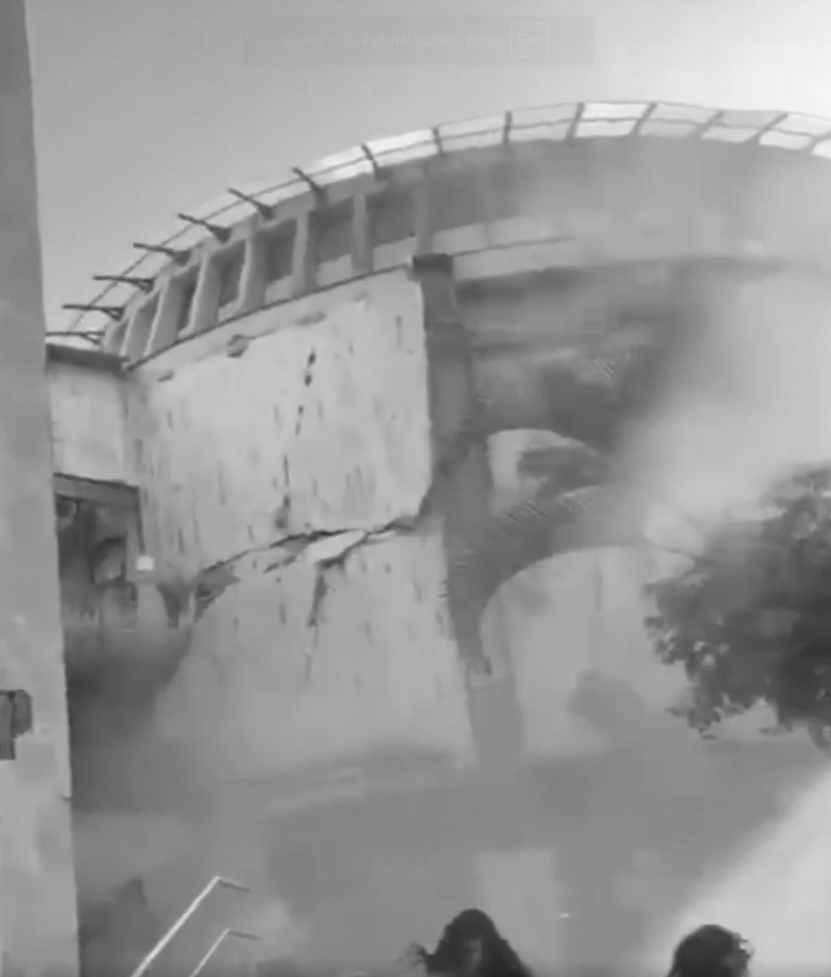
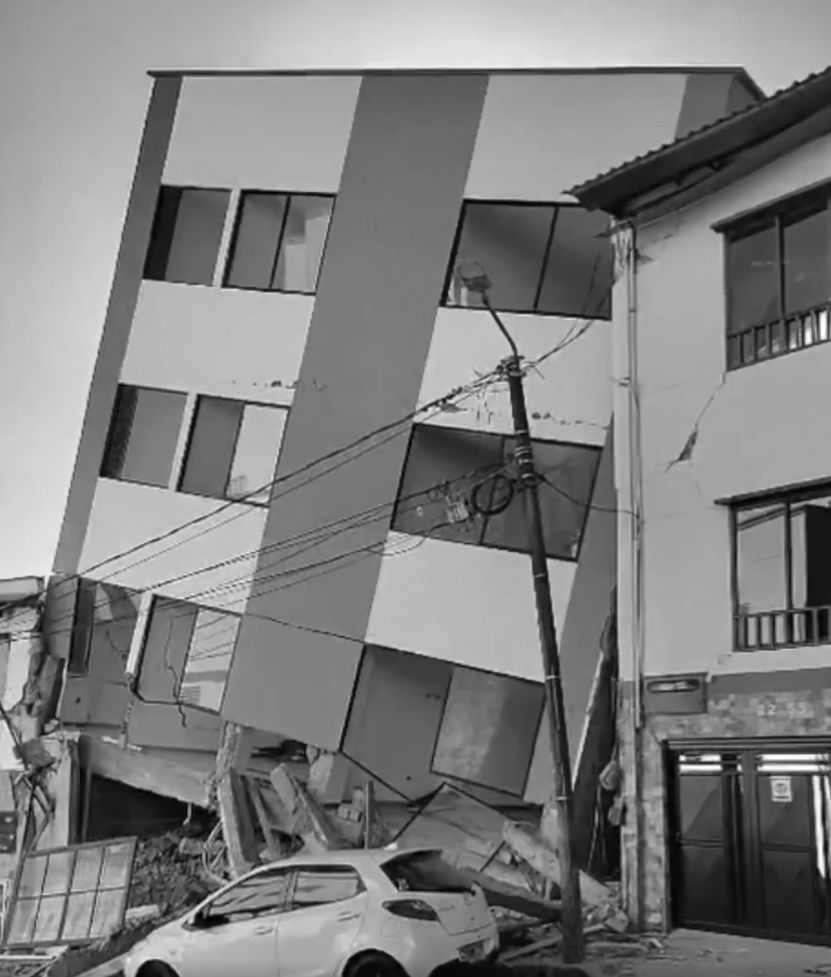
The 7.4 magnitude quake is being described as Colombia's strongest earthquake of the 21st century. Its impact has been devastating across the country's western and coffee-growing regions. Apartment buildings, homes, schools and hospitals were damaged or collapsed, while at least 5,000 homes were damaged and around 1,600 buildings were reported damaged or destroyed.
Reuters reported that local authorities had raised the toll to around 224 based on figures from Cali, Pereira, Chocó and Manizales. More than 3,000 people remain missing, and nearly 1,500 people were estimated to have been injured in an early United Nations assessment. Officials warn that the numbers could rise as rescue teams reach areas that remain difficult to access.
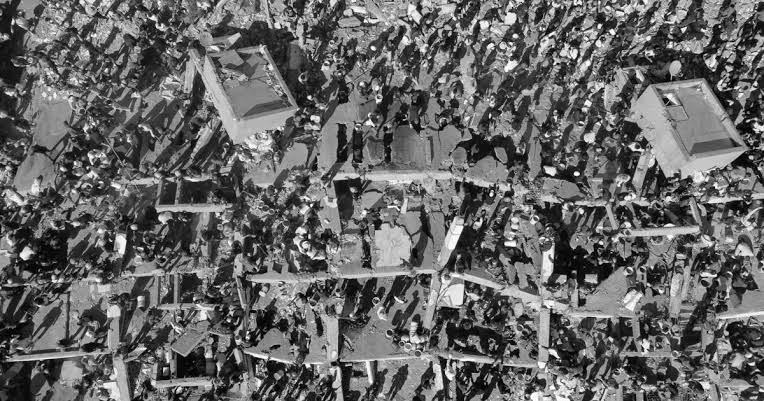
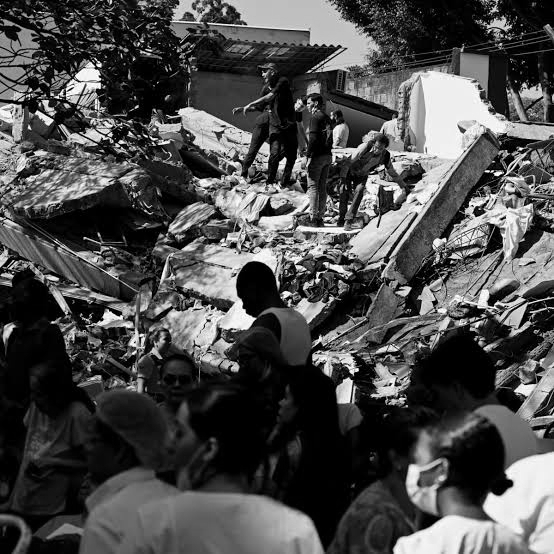
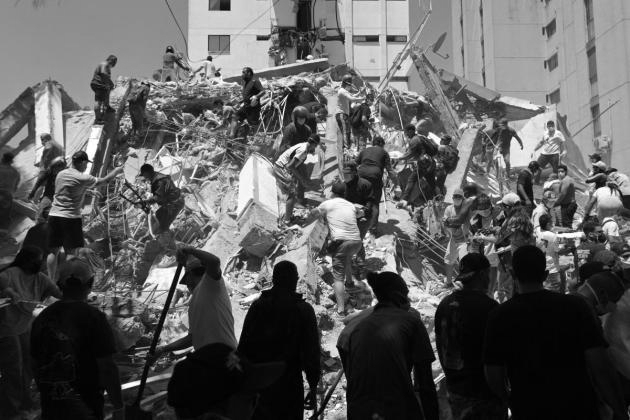
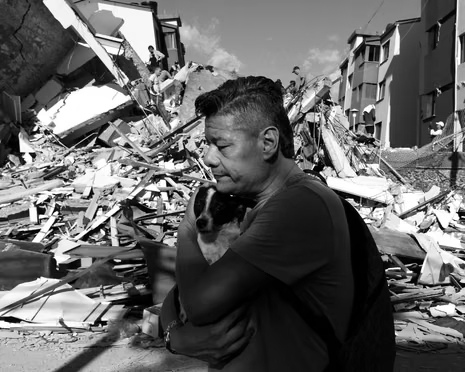
Pereira is among the worst-hit cities. Local officials reported dozens of deaths and the collapse of around 65 buildings. People were feared trapped inside at least 15 of those structures. Families rushed to damaged neighbourhoods looking for relatives while rescue workers searched unstable buildings.
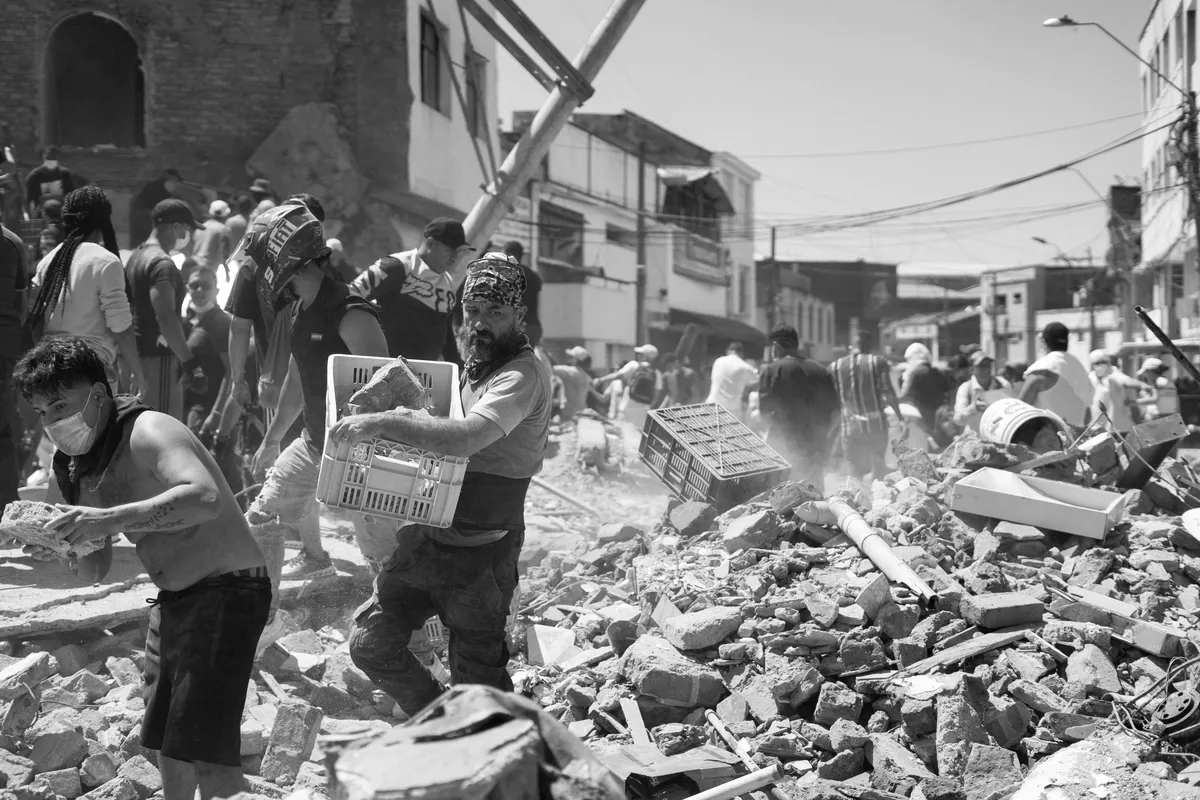
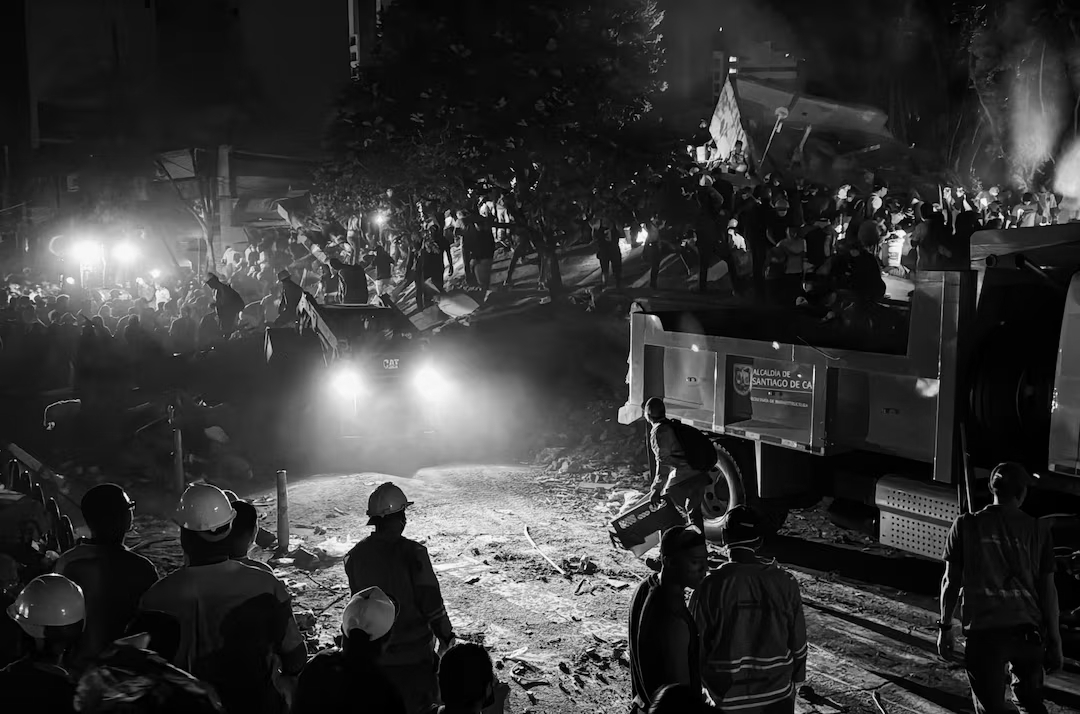
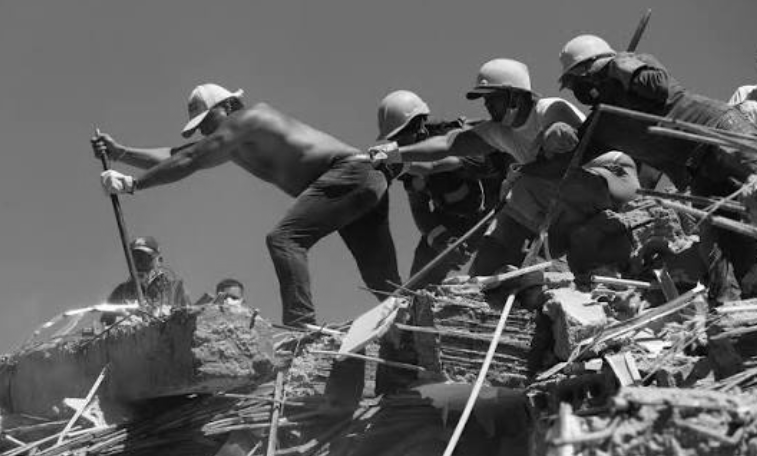
In Cali, emergency teams and residents have been working side by side. Search dogs were sent into collapsed structures while volunteers formed human chains to move bricks, concrete and masonry away from the rubble. Cranes and excavators have also been brought in, but in some places rescuers have had to rely on their hands because heavy machinery could endanger people trapped underneath.
Rescuers have already experienced both heartbreak and hope. Teams have searched buildings for hours after reports of people trapped inside. In one operation, emergency crews eventually ended the search after determining that nobody else could be found at the site. Elsewhere, rescuers pulled survivors from the rubble, including a mother and her baby.
The situation is particularly difficult in Chocó, the region closest to the epicentre. Remote communities are hard to reach, while damaged roads and disrupted communications have slowed the response. Authorities have warned that they still do not have a complete picture of the destruction in the region.
The town of El Cairo has been badly affected, with local officials reporting damage to around 80% of the town. Families have been searching for missing relatives while many residents remain afraid to return to damaged homes.
The earthquake also disrupted vital infrastructure. Six airports were shut down for safety inspections, affecting air travel and the movement of emergency personnel. Electricity, water supplies and communications were disrupted in several areas, making the rescue operation even harder. Thousands of people have been displaced and are sleeping outdoors because they fear damaged buildings could collapse.
Hospitals across the affected region have been placed on emergency footing. Medical teams are dealing with a large number of injured people while damaged health facilities are making it harder to provide care.
The crisis has also led to curfews and traffic restrictions in some cities. Authorities want to prevent looting and keep roads clear for ambulances, soldiers, rescue teams and relief vehicles.
For President Abelardo de la Espriella, the disaster is the first major test of his new administration. He had been in office only days when the earthquake struck. The president declared a national emergency, ordered military personnel and emergency teams into affected areas and made the search for survivors the government's immediate priority.
Help is also coming from abroad. The United States has pledged $15.5 million in emergency assistance for relief operations. The European Union has offered disaster-response support, while countries including Mexico, Ecuador, Panama, El Salvador and Chile have offered assistance. The Inter-American Development Bank has also made $50 million available for reconstruction support if Colombia requests it.
The earthquake has disrupted normal life far beyond the damaged buildings. Football matches involving Colombian teams have been postponed, while authorities focus on rescue and relief operations.
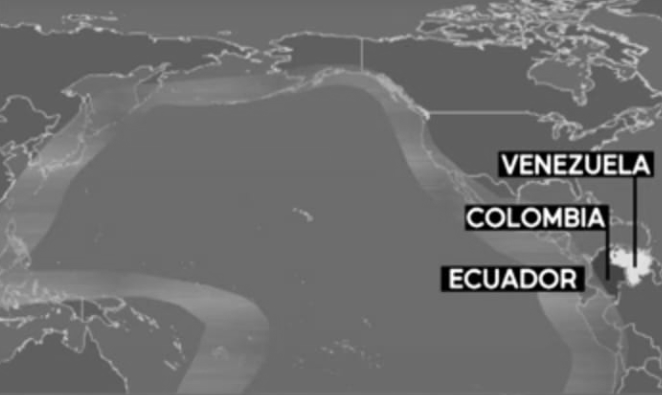
The disaster is also unfolding against the backdrop of Colombia's location in one of the world's most active seismic zones. The country's Pacific region forms part of the wider Pacific Ring of Fire, the horseshoe-shaped belt around the Pacific Ocean where several tectonic plates meet. The Ring of Fire is responsible for a huge share of the world's earthquakes and contains many of its active volcanoes.
Colombia's position near interacting tectonic plates makes earthquakes a regular threat. But a quake of this size is rare, and the scale of Monday's destruction has stunned the country.
The earthquake's depth, magnitude and location all played a role in how the shaking was felt. Although the quake occurred more than 100 kilometres underground, its enormous strength still produced severe shaking across populated areas.
The danger has not ended. Aftershocks have continued following the main earthquake, forcing rescuers to work carefully around buildings that may already have been weakened. Every additional tremor raises the risk of further collapses.
Colombia has faced deadly earthquakes before. The 1999 Armenia earthquake, which struck the Coffee Region on January 25, measured about 6.2 magnitude. It killed more than 1,000 people, devastated Armenia and Pereira and left hundreds of thousands without homes. It was weaker than Monday's earthquake but caused enormous loss of life.
The disaster comes less than two months after twin earthquakes struck northern Venezuela, killing more than 6,300 people and leaving the wider region still struggling with the aftermath.