
Russia Could Deploy Nuclear Weapon In Space By Year-End: Western Intelligence Assessment
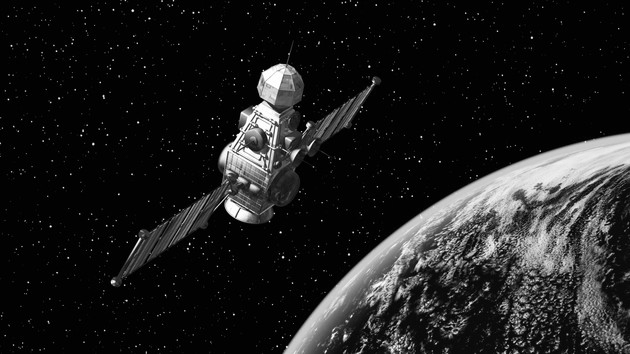
Western intelligence agencies believe Russia could deploy a nuclear weapon in space by the end of 2026, potentially within the next 60 days, according to a German media investigation. The agencies reportedly expect Moscow to launch a satellite called Sputnik-S, equipped with a nuclear weapon, raising fresh concerns over the militarisation of space and the threat to global security.
German broadcasters NDR and WDR and newspaper Sueddeutsche Zeitung reported that Western intelligence agencies believe Sputnik-S was completed years ago and has since been stored in the Moscow region. The German military has reportedly raised concerns about the development within the government.
NATO Secretary General Mark Rutte described the assessment as "shocking", stressing that the alliance's defence preparedness must also ensure security in the space domain.
The report comes weeks after US Air Force Secretary Troy Meink announced that the United States had deployed a weapon in space. Two years ago, The Washington Post reported that US intelligence agencies had concluded Russia had developed a nuclear weapon capable of being deployed in space. The White House had said at the time that the weapon had not been deployed.
Deploying a nuclear weapon in space would violate the 1967 Outer Space Treaty, signed by both Russia and the United States. Moscow is also a signatory to the 1963 Partial Nuclear Test Ban Treaty, which prohibits placing or detonating nuclear weapons in Earth's orbit.
Few effective countermeasures currently exist against nuclear weapons in space. With satellites central to communications, navigation and military operations, a nuclear detonation could have far-reaching consequences. Developing space-based weapons as a deterrent could also trigger a nuclear arms race beyond Earth's atmosphere, echoing the Cold War competition between the US and the Soviet Union.
The militarisation of space is already accelerating, with countries developing anti-satellite weapons and the United States planning a space component for its future missile-defence system. Middle powers are also expanding their capabilities.